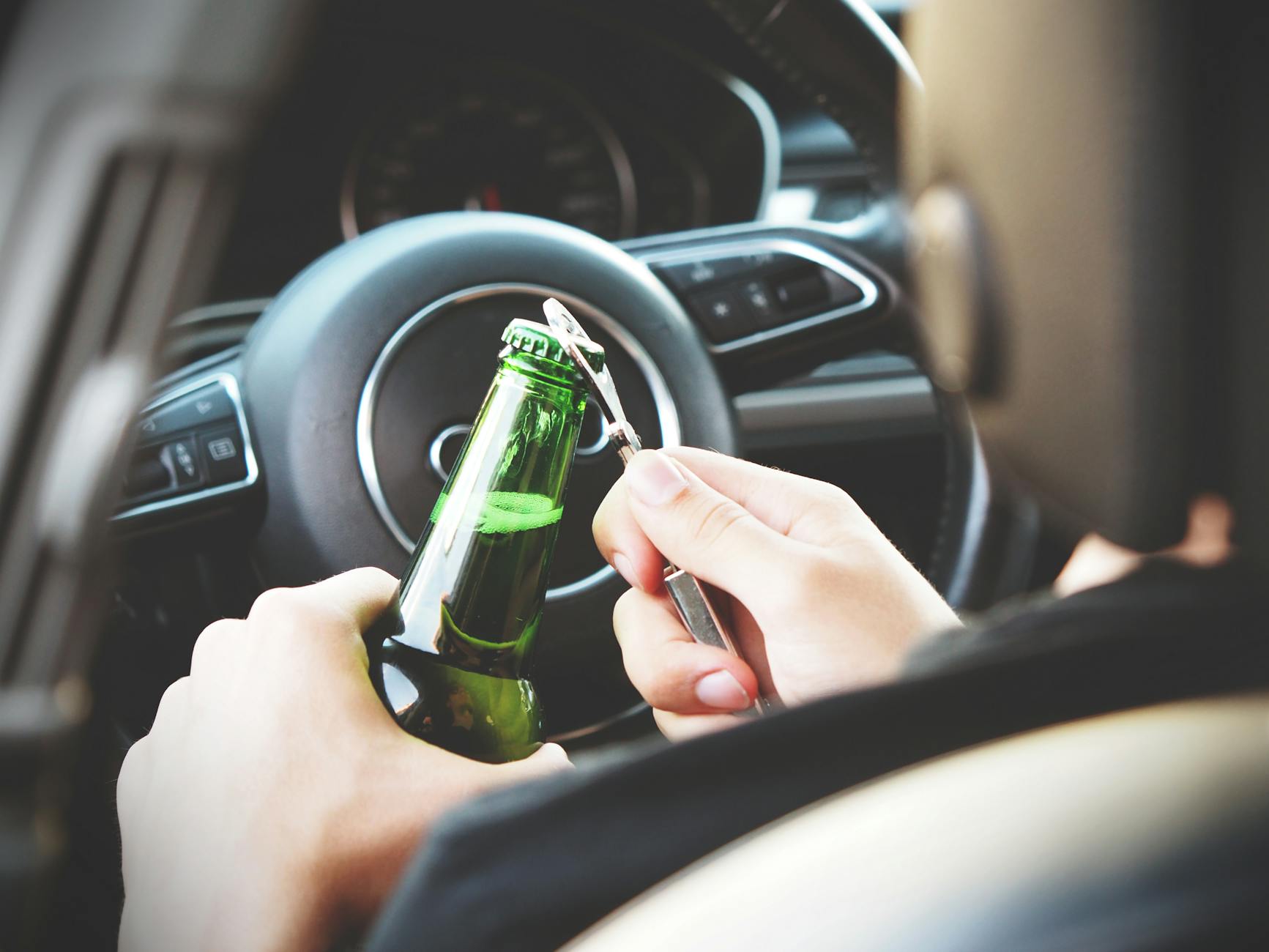
What is the Legal Drinking Age in the US? Your Complete Guide
Navigate the complexities of alcohol consumption laws in the United States with this definitive resource.
Learn More NowKey Takeaways
- ✓ The federal minimum legal drinking age (MLDA) in the US is 21.
- ✓ This was established by the National Minimum Drinking Age Act of 1984.
- ✓ All 50 states and the District of Columbia adhere to the MLDA of 21.
- ✓ There are limited state-specific exceptions, primarily for religious, medical, or private property contexts.
How It Works
Recognize that the National Minimum Drinking Age Act of 1984 effectively set the MLDA at 21 nationwide. This act ties federal highway funding to states upholding this age.
Be aware that while the MLDA is 21, some states have narrow exceptions. These often relate to consumption on private property, for religious ceremonies, or with parental consent.
Familiarize yourself with the penalties for underage drinking, providing alcohol to minors, and using fake IDs. These can include fines, license suspension, and jail time.
Advocate for and practice responsible alcohol consumption if you are of legal age. For those under 21, understand and respect the law for your safety and legal protection.
The Uniformity of the Minimum Legal Drinking Age (MLDA) in the US
 Photo: Matheus Lara / Pexels
The Historical Context and Evolution of Drinking Age Laws
 Photo: Lara Jameson / Pexels
Understanding Exceptions and State-Specific Nuances
 Photo: Tara Winstead / Pexels
Consequences and Risks Associated with Underage Drinking
 Photo: Pavel Danilyuk / Pexels
Comparison
| Aspect | MLDA 21 (Current) | MLDA 18 (Pre-1984) | Countries with Lower MLDA |
|---|---|---|---|
| Traffic Fatalities (Youth) | Significantly reduced | Higher rates | Varied, often higher |
| Brain Development | Protects developing brain | Greater risk of disruption | Increased risk of disruption |
| Alcohol Poisoning | Lower incidence | Higher incidence | Often higher rates |
| Legal Uniformity | ✓ (Federal mandate) | ✗ (State-by-state variation) | ✗ (Country-by-country variation) |
| Public Health Consensus | Strong support | Controversial, widely criticized | Mixed views |
What Readers Say
"This article clearly explained what is the legal drinking age in the US and why it's 21. I always thought it was just a random number, but the historical context made so much sense."
Sarah J. · Austin, TX"The details on state-specific exceptions were really helpful. I learned that what's okay in my friend's state isn't necessarily okay here, which is important to know."
Mark D. · Chicago, IL"As a parent, understanding the consequences section about what is the legal drinking age in the US was crucial. It reinforced the importance of discussing these laws with my teens."
Emily R. · Miami, FL"Very informative overall. I wish there was a more detailed state-by-state breakdown of exceptions, but the general principles are well-covered for what is the legal drinking age in the US."
Alex P. · Seattle, WA"This guide clarified many misconceptions I had about the drinking age. The depth of information on its history and impact is genuinely impressive."
David L. · New York, NYFrequently Asked Questions
What is the primary reason the legal drinking age in the US is 21?
The primary reason is public safety, specifically to reduce alcohol-related traffic fatalities among young people. Research consistently showed a correlation between lower drinking ages and increased accidents and deaths, leading to the National Minimum Drinking Age Act of 1984.
Are there any states where the legal drinking age is not 21?
No, all 50 states and the District of Columbia have a minimum legal drinking age of 21. This uniformity is due to the National Minimum Drinking Age Act of 1984, which incentivized states to adopt this age by linking it to federal highway funding.
Can I drink alcohol under 21 if my parents give it to me?
It depends on the state. Many states have exceptions that allow minors to consume alcohol on private property with the consent and presence of a parent, guardian, or spouse of legal drinking age. However, this is not universal, and some states strictly prohibit it. Always check local laws.
What are the penalties for underage drinking in the US?
Penalties for underage drinking vary by state but commonly include fines, driver's license suspension, mandatory alcohol education programs, community service, and in some cases, juvenile detention or a criminal record. Penalties are often more severe for repeat offenses or for adults furnishing alcohol to minors.
How does the US legal drinking age compare to other countries?
The US MLDA of 21 is higher than in many other countries. A significant number of countries, particularly in Europe, have a legal drinking age of 18 or even lower for certain types of alcohol. This difference often sparks debate regarding cultural approaches to alcohol consumption.
Who benefits most from understanding the legal drinking age in the US?
Everyone benefits, but particularly young adults, parents, educators, law enforcement, and alcohol vendors. Young adults need to know the laws to avoid legal trouble and make responsible choices. Parents and educators can use this knowledge for guidance, while law enforcement and vendors ensure compliance.
Is it safe to consume alcohol before the age of 21, even if legally permitted in certain situations?
While some exceptions exist, medical experts generally advise against alcohol consumption before age 21 due to the ongoing development of the adolescent brain. Early alcohol use can lead to long-term cognitive and behavioral issues, and increase the risk of alcohol dependence. Safety is paramount.
What future trends might impact the legal drinking age in the US?
While there are occasional debates about lowering the drinking age, the current MLDA of 21 is firmly established and widely supported by public health organizations. Any significant change would require a major shift in public opinion and legislative action, which appears unlikely in the near future given its proven public safety benefits.
Armed with a comprehensive understanding of what is the legal drinking age in the US, its historical roots, and its significant implications, you are now better equipped to navigate alcohol laws responsibly. Make informed choices, respect the legal boundaries, and prioritize safety for yourself and your community.