Unmasking Hidden Signs of Adult ADHD in Women
signs of adult ADHD in women

Unmasking Hidden Signs of Adult ADHD in Women

Understand the unique ways ADHD manifests in adult women, empowering you to recognize the signs and seek appropriate support.

Discover Your Path to Clarity

Key Takeaways

  • ✓ ADHD in women often presents differently than in men, frequently leading to misdiagnosis or delayed diagnosis.
  • ✓ Many women with ADHD are diagnosed later in life, often after years of struggling with unrecognized symptoms.
  • ✓ Internalized symptoms like anxiety, depression, and overwhelm are common in women with ADHD.
  • ✓ Societal expectations and gender roles can mask ADHD symptoms in women, making them harder to identify.

How It Works

1
Recognize the Subtle Signs

Learn to identify the less obvious, often internalized symptoms of ADHD that are prevalent in adult women. This includes chronic overwhelm, emotional dysregulation, and perfectionism.

2
Understand the Impact

Grasp how these signs affect daily life, relationships, and self-esteem. Recognize the patterns of struggle that may have previously been attributed to personal failings.

3
Seek Professional Assessment

Empower yourself to consult with healthcare professionals specializing in adult ADHD. A thorough evaluation is crucial for an accurate diagnosis and personalized treatment plan.

4
Embrace Support & Strategies

Explore various treatment options, coping mechanisms, and support networks available. Develop strategies to manage symptoms, leverage strengths, and improve overall well-being.

Why ADHD in Women Often Goes Undiagnosed

Woman experiencing stress at work using a laptop with tissues on a desk. Photo: https://kaboompics.com/ / Pexels
For far too long, the prevailing image of Attention-Deficit/Hyperactivity Disorder (ADHD) has been that of a hyperactive young boy, bouncing off walls and unable to sit still in a classroom. This stereotypical view has profoundly influenced how ADHD is perceived, researched, and diagnosed, particularly in women. The reality, however, is that ADHD manifests very differently in females, often leading to a lifetime of misdiagnosis, delayed diagnosis, or no diagnosis at all. This phenomenon is not merely an oversight; it's a systemic issue rooted in historical research biases, societal expectations, and the unique ways women are socialized. Understanding these underlying factors is crucial to recognizing the true complexity of adult ADHD in women. One primary reason for underdiagnosis is the presentation of symptoms. While boys often exhibit externalized hyperactivity and impulsivity, girls and women are more likely to present with inattentive symptoms. This means their struggles are less disruptive to others and often internalized. Instead of being outwardly disruptive, a woman with ADHD might be quietly struggling with organization, time management, focus, and emotional regulation. She might appear 'dreamy' or 'spacey,' constantly losing her keys, missing deadlines, or feeling overwhelmed by everyday tasks. These behaviors are often dismissed as personality quirks, anxiety, or simply being 'scatterbrained,' rather than recognized as symptoms of a neurological condition. Societal expectations also play a significant role. Women are often conditioned to be organized, nurturing, and capable multi-taskers. When a woman struggles with these areas, she may internalize her difficulties as personal failings, leading to immense shame and a relentless drive for perfectionism to compensate for her perceived shortcomings. This compensatory behavior can effectively mask ADHD symptoms, making it harder for both the individual and healthcare professionals to identify the underlying issue. For instance, a woman might spend hours over-preparing for a meeting or meticulously organizing her home to avoid the chaos that her ADHD brain naturally tends towards. This effort can be exhausting and unsustainable, leading to burnout, anxiety, and depression, which are frequently diagnosed instead of or alongside ADHD. Furthermore, hormonal fluctuations throughout a woman's life – during puberty, pregnancy, perimenopause, and menopause – can significantly impact ADHD symptoms, often intensifying them. These hormonal shifts can make it even more challenging to differentiate between hormonal imbalances, mood disorders, and ADHD, further complicating diagnosis. The interplay between ADHD and other co-occurring conditions, such as anxiety disorders, depression, eating disorders, and autoimmune conditions, is also more prevalent in women. These co-occurring conditions can overshadow the core ADHD symptoms, leading to treatment for the secondary issues while the primary condition remains unaddressed. The lack of awareness among many healthcare providers about the nuanced presentation of ADHD in women perpetuates this cycle, making it imperative for women to advocate for themselves and seek specialists who understand these complexities.

The Internal World: Emotional Dysregulation and Overwhelm

Low angle of unhappy exhausted woman in glasses and casual clothes with folders of papers looking up with sorrow and touching forehead while standing against white wall and having headache due to workload in office Photo: Andrea Piacquadio / Pexels
Beyond the more commonly recognized symptoms of inattention and hyperactivity, many adult women with ADHD experience a profound internal struggle characterized by emotional dysregulation and chronic overwhelm. These are often the most debilitating and misunderstood aspects of ADHD in females, yet they are frequently overlooked in diagnostic criteria heavily skewed towards externalized behaviors. Emotional dysregulation refers to difficulty managing and responding to emotions in a socially acceptable or healthy way. For women with ADHD, this can manifest as intense emotional responses to minor stressors, rapid mood swings, irritability, heightened sensitivity to criticism (Rejection Sensitive Dysphoria or RSD), and difficulty calming down once upset. Imagine feeling a wave of intense frustration or sadness that seems disproportionate to the trigger, or experiencing an emotional 'hangover' that lasts for hours or even days. This isn't just being 'overly emotional'; it's a neurological difference in how the brain processes and regulates feelings. The prefrontal cortex, which is often affected in ADHD, plays a crucial role in emotional control. When its functioning is impaired, emotions can feel overwhelming and uncontrollable, leading to significant distress and impacting relationships. Women with ADHD might struggle with expressing their feelings appropriately, leading to outbursts or, conversely, internalizing their emotions until they reach a breaking point. This constant battle with internal emotional chaos can be profoundly isolating and exhausting. Chronic overwhelm is another hallmark sign. For women with ADHD, the world often feels like a constant barrage of stimuli, demands, and expectations that are impossible to keep up with. Everyday tasks that neurotypical individuals manage with ease – organizing a household, managing schedules, responding to emails, or even deciding what to cook for dinner – can feel like insurmountable mountains. This isn't laziness; it's a genuine difficulty in prioritizing, initiating tasks, transitioning between activities, and maintaining focus. The brain struggles to filter out irrelevant information, leading to a feeling of being constantly flooded and unable to cope. This sense of overwhelm can lead to 'analysis paralysis,' where the sheer volume of choices or tasks prevents any action from being taken, or 'task paralysis,' where a woman knows what needs to be done but cannot bring herself to start. The result is often procrastination, missed deadlines, and a growing pile of unfinished tasks, which further fuels feelings of inadequacy, guilt, and anxiety. Overwhelm isn't just about having too much to do; it's about the brain's impaired ability to process and manage those demands efficiently. It's a pervasive feeling of being 'too much' or 'not enough,' leading to burnout and a pervasive sense of failure, regardless of how intelligent or capable the individual truly is. Recognizing these internal struggles as core symptoms of ADHD is a critical step towards understanding and supporting women with the condition.

Beyond the Stereotype: Unique Manifestations in Adult Females
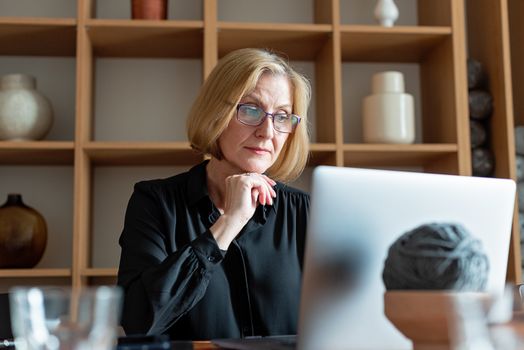
Senior businesswoman with glasses concentrating on work at a home office with a laptop. Photo: Mikhail Nilov / Pexels
While inattention and emotional dysregulation are prominent, ADHD in adult women manifests in numerous other unique and often surprising ways that defy the traditional 'hyperactive boy' stereotype. These manifestations are frequently misattributed to other conditions or seen as personality flaws, further obscuring the underlying ADHD. One such manifestation is perfectionism. Ironically, many women with ADHD are meticulous perfectionists. This isn't necessarily a natural trait but often a compensatory strategy developed to counteract the disorganization, forgetfulness, and perceived failures associated with their undiagnosed ADHD. By over-preparing, double-checking everything, or striving for flawless execution, they attempt to control the chaos and avoid criticism or negative consequences. This constant pursuit of perfection is incredibly draining and can lead to significant anxiety, burnout, and an inability to complete tasks because nothing ever feels 'good enough.' It's a desperate attempt to create order in a brain that often struggles with it. Another common sign is chronic procrastination, not out of laziness, but due to executive function deficits. Women with ADHD might struggle with task initiation, difficulty estimating time, and poor planning. They may delay important tasks until the last minute, thriving on the adrenaline rush of a looming deadline, only to experience immense stress and self-criticism afterward. This cycle of procrastination and hyperfocus on urgent tasks can lead to a chaotic work-life balance and missed opportunities. Coupled with this is a tendency towards 'hyperfocus' – an intense, almost obsessive concentration on tasks or interests that are stimulating or engaging. While this can be a strength, it often comes at the expense of other essential responsibilities, leading to an unbalanced life and further feelings of inadequacy. Relationship challenges are also frequently experienced by women with ADHD. Communication difficulties, forgetfulness regarding important dates or details, emotional intensity, and difficulty regulating impulses can strain personal and professional relationships. They might struggle with active listening, interrupt frequently, or appear distant due to internal distractions. Conversely, some women with ADHD might be 'people-pleasers,' constantly striving to meet others' needs to compensate for their perceived shortcomings or to avoid rejection, often at the expense of their own well-being. This can lead to imbalanced relationships and resentment. Furthermore, women with ADHD often have a rich inner world, marked by a racing mind, constant thoughts, and an inability to 'turn off' their brains. This internal hyperactivity, rather than external fidgeting, can lead to chronic sleep difficulties, anxiety, and a feeling of being constantly 'on.' They may also struggle with self-esteem and self-worth, having internalized years of negative feedback, criticism, and personal failures due to their undiagnosed struggles. This can lead to a pervasive sense of being 'broken' or 'not good enough,' despite often being highly intelligent, creative, and empathetic individuals. Recognizing these diverse and often hidden symptoms of adult ADHD is vital for accurate diagnosis and effective intervention, allowing women to finally understand their experiences and find strategies to thrive.

Seeking Clarity: Diagnosis, Support, and Thriving with ADHD
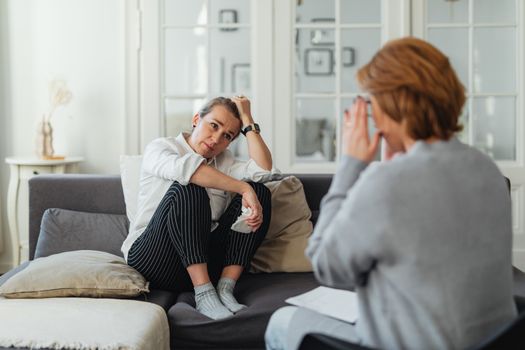
A woman sits on a couch during a therapy session, talking to a therapist. Photo: https://kaboompics.com/ / Pexels
Recognizing the signs of adult ADHD in women is only the first step; the journey towards diagnosis, understanding, and effective management is equally crucial. Given the nuanced presentation of ADHD in females, seeking a proper diagnosis can be challenging but is profoundly life-changing. The diagnostic process typically involves a comprehensive evaluation by a mental health professional specializing in adult ADHD, such as a psychiatrist, psychologist, or neurologist. This assessment will involve detailed interviews about your personal and family history, current symptoms, and their impact on various aspects of your life (work, relationships, daily functioning). Standardized rating scales and psychological tests may also be used to gather objective data and rule out other conditions that can mimic ADHD symptoms, such as anxiety disorders, depression, or thyroid issues. It's essential to be open and honest about all your struggles, even those you might feel ashamed of, as these details are vital for an accurate diagnosis. Once diagnosed, the next step is developing a personalized treatment plan. This often involves a multi-modal approach, combining various strategies to manage symptoms and leverage strengths. Medication, particularly stimulants or non-stimulants, can be highly effective in improving focus, reducing impulsivity, and regulating emotions by affecting neurotransmitters in the brain. However, medication is rarely a standalone solution. Behavioral therapy, especially Cognitive Behavioral Therapy (CBT), can help women develop coping mechanisms, organizational skills, time management strategies, and emotional regulation techniques. ADHD coaching is another invaluable tool, providing practical, individualized support in areas like goal setting, planning, and accountability. Beyond formal treatments, self-care and lifestyle adjustments play a significant role. Prioritizing consistent sleep, regular exercise, and a balanced diet can significantly impact ADHD symptoms. Mindfulness and meditation practices can help improve focus and emotional regulation. Building a strong support network, including friends, family, and support groups, can combat feelings of isolation and provide a sense of community. Learning to advocate for yourself, setting boundaries, and communicating your needs effectively are also critical skills. Many women find immense relief and empowerment in connecting with others who share similar experiences, realizing they are not alone in their struggles. Ultimately, a diagnosis of ADHD in adulthood should not be seen as a label but as a lens through which to understand your past experiences and build a more fulfilling future. It offers an opportunity to reframe past 'failures' as symptoms, reduce self-blame, and develop self-compassion. With the right understanding, support, and strategies, women with ADHD can learn to manage their challenges, harness their unique strengths – such as creativity, resilience, and hyperfocus – and thrive in all areas of their lives. It's about moving from a place of chronic struggle to one of empowered self-management and personal growth. Embrace the journey of self-discovery and find the tools that allow you to flourish.

Comparison

Symptom AspectTypical Male PresentationTypical Female PresentationImpact on Daily Life
HyperactivityExternalized (fidgeting, restlessness, running)Internalized (racing thoughts, inner restlessness, talkativeness)Can lead to misdiagnosis or feeling 'too much'
ImpulsivityOutbursts, risk-taking, interruptingEmotional intensity, people-pleasing, impulse spending, overeatingStrains relationships, financial difficulties, emotional distress
InattentionObvious difficulty focusing, easily distractedDaydreaming, 'spacey,' forgetfulness, disorganization, chronic overwhelmAcademic/career struggles, feeling 'scatterbrained,' low self-esteem
Emotional RegulationIrritability, angerIntense mood swings, Rejection Sensitive Dysphoria (RSD), anxiety, depressionRelationship issues, burnout, heightened stress

What Readers Say

"For years, I thought I was just 'bad at adulting' or had severe anxiety. This article on signs of adult ADHD in women finally made everything click. It perfectly described my constant overwhelm and emotional rollercoasters. I'm now pursuing a diagnosis."

Sarah J. · Austin, TX

"This guide was incredibly validating. I always felt like my brain was too 'loud' and I couldn't keep up, but no one ever suggested ADHD. Understanding the unique female presentation has been a revelation, and I feel so much less alone."

Maria P. · Chicago, IL

"After reading this, I recognized so many of the subtle signs in myself, especially the perfectionism and chronic procrastination. I sought out a specialist and was diagnosed with ADHD at 38. My life has improved significantly with proper strategies and medication."

Jessica L. · Seattle, WA

"The article was very thorough and helpful, though I wish there was a bit more on specific workplace strategies for women with ADHD. Still, it's a fantastic resource for identifying the less obvious symptoms and understanding the female experience."

Emily K. · Boston, MA

"As a therapist, I recommend this article to many of my female clients who suspect they might have ADHD. It explains the internalized symptoms and compensatory behaviors so clearly, making it an excellent starting point for self-reflection and seeking professional help."

Chloe D. · Denver, CO

Frequently Asked Questions

What are the most common signs of adult ADHD in women?

The most common signs include chronic overwhelm, internal restlessness rather than external hyperactivity, emotional dysregulation (intense mood swings, irritability, RSD), inattention (forgetfulness, difficulty focusing, daydreaming), perfectionism, chronic procrastination, and difficulty with organization and time management. These often present subtly and are internalized, making them harder to spot than in men.

Why is ADHD often missed or misdiagnosed in adult women?

ADHD in women is often missed because symptoms are frequently internalized and less disruptive than in males. Societal expectations for women to be organized and calm lead to compensatory behaviors like perfectionism that mask the condition. Additionally, symptoms are often mistaken for anxiety, depression, or hormonal issues, leading to misdiagnosis.

How do hormonal changes affect ADHD symptoms in women?

Hormonal fluctuations during puberty, pregnancy, perimenopause, and menopause can significantly impact ADHD symptoms. Estrogen, in particular, affects dopamine levels, which are linked to ADHD. Lower estrogen can intensify symptoms like inattention, emotional dysregulation, and brain fog, making management more challenging during these life stages.

What's the process for getting an ADHD diagnosis as an adult woman?

The process involves a comprehensive evaluation by a mental health professional specializing in adult ADHD (psychiatrist, psychologist). This includes detailed interviews about your history, current symptoms, their impact, and often involves standardized rating scales and psychological tests to rule out other conditions. It's crucial to find a clinician experienced with ADHD in women.

Are there specific coping strategies for women with ADHD?

Yes, strategies include developing strong organizational systems, using visual aids and reminders, breaking tasks into smaller steps, practicing mindfulness for emotional regulation, prioritizing self-care (sleep, exercise), seeking ADHD coaching, and building a supportive community. Therapy like CBT can also provide tailored coping mechanisms.

Who should consider seeking an ADHD diagnosis?

Any adult woman who consistently experiences significant difficulties with attention, organization, emotional regulation, time management, or impulse control, and where these issues negatively impact their daily life, relationships, or career, should consider seeking a professional ADHD diagnosis. Especially if these struggles have been lifelong and resistant to other interventions.

Is it safe to take ADHD medication while pregnant or breastfeeding?

This is a complex question that requires careful discussion with your prescribing doctor and OB/GYN. While some medications may pose risks, others might be considered safer depending on individual circumstances. The decision involves weighing the benefits of managing ADHD symptoms against potential risks to the baby, and a personalized plan is essential.

What advancements are on the horizon for ADHD diagnosis and treatment in women?

Future advancements are focusing on more gender-specific diagnostic tools that better capture the nuanced presentation of ADHD in women. Research is also exploring the interplay between hormones and ADHD to develop more targeted treatments, and there's a growing emphasis on holistic approaches that integrate lifestyle, therapy, and technology to support women with ADHD.

If you recognize these signs of adult ADHD in women within yourself, know that clarity and support are within reach. Understanding your unique brain is the first step towards unlocking your potential and building a life where you not only cope but thrive. Don't hesitate to seek professional guidance and begin your journey towards a more empowered and fulfilling future.

Topics: signs of adult ADHD in womenADHD symptoms in womenwomen's ADHD diagnosisfemale ADHD traitsADHD in adult females
Leo List

DK Escorts LU Escorts AT Escorts SE Escorts FI Escorts CH Escorts DE Escorts HR Escorts IE Escorts GR Escorts CZ Escorts NO Escorts BE Escorts FR Escorts SI Escorts IL Escorts NL Escorts PL Escorts HU Escorts ES Escorts IT Escorts PT Escorts SK Escorts RO Escorts ZA Escorts UY Escorts US Escorts UK Escorts NZ Escorts AU Escorts
Brampton weed
Adultwork EstrelaBet Vai de Bet R7 Bet Betão Galera Bet Rainbet Bet9ja Shop SportyBet BetKing Sisal Loto Foot Hollywoodbets YesPlay Odibets RushBet Jugabet BetWarrior BetCity MSport betPawa Fortebet