Find Relief: Top Online Therapy Services for Anxiety
online therapy services for anxiety

Find Relief: Top Online Therapy Services for Anxiety

Access professional, confidential, and convenient anxiety treatment from the comfort of your home.

Start Your Journey to Calm

Key Takeaways

  • ✓ Online therapy for anxiety is as effective as in-person therapy for many conditions.
  • ✓ Convenience is a major benefit, eliminating travel time and scheduling hurdles.
  • ✓ Many platforms offer flexible pricing models, including subscription and per-session rates.
  • ✓ Privacy and confidentiality are paramount, with platforms adhering to HIPAA regulations.

How It Works

1
Choose Your Platform

Research and select an online therapy provider that aligns with your needs, budget, and preferences for therapist matching. Consider factors like therapist qualifications and communication methods.

2
Get Matched with a Therapist

Complete an initial questionnaire about your anxiety symptoms, preferences, and goals. The platform will use this information to connect you with a licensed therapist specializing in anxiety treatment.

3
Begin Your Sessions

Engage in therapy sessions via video call, phone, or chat, depending on your chosen service. Work with your therapist to develop coping strategies and address the root causes of your anxiety.

4
Track Your Progress

Regularly communicate with your therapist and monitor your emotional well-being. Adjust your treatment plan as needed to ensure you're making effective progress towards managing your anxiety.

Understanding Anxiety and the Rise of Telehealth Anxiety Treatment

Woman in suit using laptop on sofa in bright room, modern lifestyle. Photo: Mert Coşkun / Pexels
Anxiety is more than just feeling stressed; it's a persistent, excessive worry that can significantly impact daily life. For millions of adults in the US, anxiety disorders are a reality, affecting everything from relationships and work to physical health and overall well-being. While traditional in-person therapy has long been the cornerstone of anxiety treatment, the digital age has ushered in a powerful alternative: telehealth anxiety treatment. This shift has not only made therapy more accessible but has also destigmatized mental health care for many. The convenience of connecting with a licensed mental health professional from the comfort of your own home, without the added stress of commuting or fitting appointments into a rigid schedule, is a game-changer for those struggling with anxiety. Historically, seeking therapy often involved logistical hurdles – finding a therapist with availability, navigating traffic, arranging childcare, and potentially facing social anxieties related to visiting a therapist's office. These barriers, however subtle, could often deter individuals from seeking the help they desperately needed. Online therapy services for anxiety dismantle these obstacles, offering a discreet and flexible solution. Whether you're a busy professional, a parent with limited free time, or someone living in a rural area with few local mental health resources, online platforms bridge the gap. The efficacy of online therapy for anxiety has been well-documented, with numerous studies demonstrating that it can be just as effective as face-to-face sessions for a wide range of anxiety disorders, including generalized anxiety disorder (GAD), social anxiety disorder, panic disorder, and specific phobias. This is largely due to the fact that the core therapeutic techniques, such as Cognitive Behavioral Therapy (CBT) and Exposure Therapy, can be effectively delivered through virtual means. The ability to engage in therapy within a familiar and safe environment can also reduce initial apprehension and foster a stronger therapeutic alliance. Furthermore, some individuals with severe social anxiety find the remote nature of online therapy less intimidating, making it easier to open up and engage in the therapeutic process. The privacy and anonymity offered by these services can be particularly appealing, allowing individuals to address their deepest concerns without fear of judgment. As technology continues to advance, the integration of interactive tools, journaling features, and progress tracking within online therapy platforms further enhances the treatment experience, making it a comprehensive and personalized approach to anxiety management. Understanding adult anxiety is the first step towards effective treatment, and online therapy provides an accessible pathway.

Navigating the Best Online Therapy Services for Anxiety: What to Look For

Focused woman using laptop at home with coffee and breakfast on table. Photo: Helena Lopes / Pexels
When searching for the best online therapy services for anxiety, it's crucial to understand that not all platforms are created equal. The market is robust, offering a variety of models, features, and pricing structures. To make an informed decision, you need to consider several key factors that will ensure you find a service that genuinely meets your individual needs and therapeutic goals. Firstly, therapist qualifications and specialization are paramount. Ensure that the platform employs licensed and credentialed therapists (e.g., psychologists, licensed professional counselors, licensed clinical social workers) who specialize in anxiety disorders. Many platforms will allow you to view therapist profiles, including their educational background, years of experience, and therapeutic approaches. Look for therapists trained in evidence-based modalities like Cognitive Behavioral Therapy (CBT), Dialectical Behavior Therapy (DBT), Acceptance and Commitment Therapy (ACT), and Exposure Therapy, as these are highly effective for anxiety. Secondly, consider the communication methods offered. Do you prefer live video sessions that mimic traditional in-person therapy? Or would you benefit more from asynchronous messaging, allowing you to communicate with your therapist throughout the week and receive responses at your convenience? Some platforms offer a blend of options, including phone calls and live chat, providing flexibility to adapt to your schedule and comfort level. The user interface and ease of use of the platform itself are also important. A clunky or difficult-to-navigate platform can add unnecessary stress, which is counterproductive when dealing with anxiety. Look for intuitive designs, reliable video conferencing technology, and secure messaging systems. Thirdly, evaluate the pricing and insurance coverage. Online therapy costs can vary significantly, ranging from subscription-based models to per-session fees. Some platforms work with insurance providers, while others are entirely self-pay. It's essential to check with your insurance company about their coverage for telehealth mental health services and to confirm if your chosen platform accepts your specific plan. Don't hesitate to inquire about financial aid or sliding scale options if cost is a significant concern. Finally, consider the platform's reputation and client reviews. While individual experiences can vary, a consistent pattern of positive feedback regarding therapist quality, platform reliability, and customer support can be a strong indicator of a reputable service. Look for transparent policies regarding privacy, data security, and emergency protocols, ensuring your personal information and well-being are protected. A comprehensive service will also offer resources beyond just therapy sessions, such as educational articles, self-help tools, and crisis support information.

The Therapeutic Process: What to Expect from Virtual Anxiety Counseling
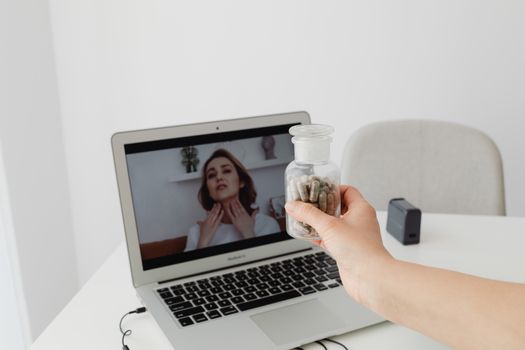
Person holding supplements during a virtual consultation with a doctor on a laptop. Photo: www.kaboompics.com / Pexels
Embarking on virtual anxiety counseling can feel daunting, especially if you're new to therapy. However, understanding the typical therapeutic process can help alleviate some of that initial apprehension. While each platform and therapist may have a slightly different approach, the core components of virtual anxiety counseling are designed to be structured, supportive, and effective. The journey usually begins with an initial intake process. This involves completing detailed questionnaires about your medical history, mental health symptoms, lifestyle, and therapeutic goals. This information is crucial for your therapist to gain a comprehensive understanding of your situation and to tailor a treatment plan specifically for you. Many platforms also offer a matching service, using your answers to connect you with a therapist whose specialties and approach align with your needs. Don't be afraid to request a different therapist if the initial match doesn't feel right; building a strong therapeutic relationship is key to successful treatment. Once matched, your first few sessions will typically focus on establishing rapport, delving deeper into your anxiety symptoms, and setting clear, achievable goals. Your therapist will use this time to conduct a thorough assessment, explore the triggers and patterns of your anxiety, and explain the therapeutic modalities they will employ. For anxiety, common approaches include Cognitive Behavioral Therapy (CBT), which helps identify and challenge negative thought patterns, and Exposure Therapy, which gradually exposes you to anxiety-provoking situations in a safe and controlled manner to reduce fear responses. You might also explore mindfulness techniques, relaxation strategies, and problem-solving skills to equip you with practical tools for managing anxiety in your daily life. The virtual format allows for creative application of these techniques; for example, a therapist might guide you through a relaxation exercise via video call or assign journaling prompts to be completed between sessions. Between sessions, many online platforms offer secure messaging systems, allowing you to communicate with your therapist for questions, check-ins, or to share insights from your week. This continuous support can be incredibly beneficial for maintaining momentum and applying learned strategies in real-time. Homework assignments, such as practicing coping skills, tracking your mood, or engaging in behavioral experiments, are often an integral part of the process, reinforcing what you learn in sessions. The frequency of sessions will depend on your individual needs and therapist recommendations, often starting weekly and then adjusting as you progress. Progress is often reviewed regularly, and your treatment plan will be adapted as you achieve your goals and develop new ones. The goal of virtual anxiety counseling is not just to reduce symptoms but to equip you with long-term strategies for managing anxiety independently, fostering resilience, and improving your overall quality of life. Adult mental health support is more accessible than ever through these virtual avenues.

Maximizing Your Experience with Remote Therapy for Anxiety: Tips & Common Mistakes

Asian woman writing notes on a clipboard standing against a minimalist gray wall. Photo: Thirdman / Pexels
To truly benefit from remote therapy for anxiety, it's not enough to simply sign up for a service; you need to actively engage and optimize your experience. Here are some key tips and common mistakes to avoid: **Tips for Success:** * **Create a Dedicated Therapy Space:** Find a quiet, private, and comfortable area in your home where you won't be interrupted. This helps create a professional and focused environment, mimicking the privacy of an in-person office. * **Test Your Technology:** Before each session, ensure your internet connection is stable, your camera and microphone are working, and your device is fully charged. Technical glitches can disrupt the flow and effectiveness of a session. * **Be Open and Honest:** The more transparent you are with your therapist about your thoughts, feelings, and experiences, the more effectively they can help you. Don't hold back information due to embarrassment or fear of judgment. * **Set Clear Goals:** Work with your therapist to define what you want to achieve from therapy. Specific, measurable goals provide direction and allow you to track your progress. * **Do Your Homework:** Therapy isn't just about the session itself. Actively engage with any assignments or exercises your therapist gives you between sessions. This practice is crucial for integrating new coping skills into your daily life. * **Practice Self-Compassion:** Managing anxiety is a journey, not a race. There will be good days and challenging days. Be kind to yourself, acknowledge your efforts, and celebrate small victories. * **Communicate Your Needs:** If something isn't working for you – the session time, the communication method, or even the therapeutic approach – voice your concerns to your therapist. A good therapist will be open to adjusting. **Common Mistakes to Avoid:** * **Multitasking During Sessions:** Resist the urge to check emails, browse social media, or do chores during your therapy session. This diminishes your focus and the therapeutic benefit. * **Expecting a Quick Fix:** Therapy is a process that requires time and consistent effort. Don't get discouraged if you don't see immediate results. Lasting change takes patience. * **Skipping Sessions:** Consistency is vital. Irregular attendance can disrupt the therapeutic flow and make it harder to build momentum. * **Not Communicating Discomfort:** If you feel uncomfortable with a particular topic or exercise, or if you don't feel a strong connection with your therapist, it's important to address it. A poor fit can hinder progress. * **Ignoring Homework/Between-Session Work:** The real work of therapy often happens outside the session, applying what you've learned. Neglecting this part can limit the effectiveness of treatment. * **Not Prioritizing Self-Care:** While therapy is crucial, it's just one component of managing anxiety. Neglecting sleep, nutrition, exercise, and social connections can undermine your therapeutic progress. By being proactive and mindful of these points, you can significantly enhance your experience with remote therapy for anxiety and accelerate your journey towards greater well-being.

Comparison

FeatureBetterHelpTalkspaceAmwellOnline-Therapy.com
Therapist MatchingAI-driven, easy to switchAI-driven, good selectionManual selection from profilesManual selection from profiles
Communication MethodsLive video, phone, chat, messagingLive video, phone, chat, messagingLive video, phoneLive video, chat, messaging
Evidence-Based FocusStrongStrongGoodVery Strong (CBT focus)
Insurance AcceptedLimited; check directlyMany major plansMany major plansLimited; check directly
Cost per Week (approx.)$60 - $90$65 - $100$99 - $129 (per session)$40 - $80
CBT Program IncludedOptionalOptionalNo✓ (Core of service)
Crisis SupportReferral to emergency servicesReferral to emergency servicesReferral to emergency servicesReferral to emergency services

What Readers Say

"I was hesitant about online therapy, but these services for my anxiety have been a lifesaver. My therapist helped me understand my triggers and gave me practical tools to manage panic attacks. I feel so much more in control now."

Sarah J. · Austin, TX

"As a busy professional, finding time for in-person therapy was impossible. Online therapy services for anxiety fit perfectly into my schedule. The video sessions feel just as personal and effective, and I've seen real improvement in my generalized anxiety."

Mark D. · Seattle, WA

"After just three months with an online therapist specializing in social anxiety, I felt confident enough to give a presentation at work, something I never thought possible. The strategies I learned through online therapy services for anxiety truly transformed my life."

Emily R. · Miami, FL

"While the initial therapist match wasn't perfect, the platform made it easy to switch. My current therapist is fantastic, and I appreciate the flexibility of messaging throughout the week. It's a great option for managing my ongoing anxiety, though I sometimes miss the immediate feedback of in-person sessions."

David L. · Denver, CO

"I was struggling with post-partum anxiety, and the idea of leaving the house for appointments felt overwhelming. Online therapy services for anxiety allowed me to get the support I needed without adding more stress. It was convenient, confidential, and incredibly supportive during a difficult time."

Jessica M. · Chicago, IL

Frequently Asked Questions

Is online therapy for anxiety as effective as traditional in-person therapy?

Yes, numerous studies and clinical research have shown that online therapy can be just as effective as traditional face-to-face therapy for treating various anxiety disorders. The key is that the core therapeutic techniques, like CBT and exposure therapy, are delivered by licensed professionals, regardless of whether the interaction is virtual or in-person. The efficacy largely depends on the individual's engagement and the quality of the therapeutic relationship.

What if I don't feel a connection with my online therapist?

It's completely normal for therapeutic relationships to take time to build, and sometimes a particular therapist might not be the right fit. Most reputable online therapy platforms understand this and offer easy ways to switch therapists at no additional cost. Don't hesitate to utilize this option if you're not feeling comfortable or seeing progress with your current match; finding the right therapist is crucial for effective treatment.

How do I ensure my privacy and confidentiality with online therapy services for anxiety?

Reputable online therapy platforms are legally and ethically bound to protect your privacy. They use HIPAA-compliant technology, which means all communication is encrypted, and your personal health information is securely stored. Always ensure the platform you choose explicitly states its adherence to HIPAA and other relevant privacy regulations. Using a private internet connection and a secure, quiet space for your sessions also enhances confidentiality.

How much do online therapy services for anxiety typically cost, and is it covered by insurance?

The cost of online therapy can vary widely, typically ranging from $40 to $100+ per week or per session, depending on the platform, therapist's qualifications, and communication methods. Some platforms offer subscription models, while others charge per session. Many online therapy services now accept various insurance plans, but coverage can differ significantly based on your provider and specific policy. It's essential to check directly with your insurance company and the chosen platform about coverage before starting.

How does online therapy compare to self-help apps for anxiety?

While self-help apps can be valuable tools for managing anxiety symptoms and providing educational resources, they are generally not a substitute for professional online therapy. Online therapy involves direct, personalized interaction with a licensed mental health professional who can provide tailored treatment plans, diagnose conditions, and adapt strategies to your specific needs. Apps typically offer pre-programmed exercises and information, lacking the nuanced support and accountability of a human therapist. They can, however, be a great supplement to therapy.

Who should consider using online therapy services for anxiety?

Online therapy is suitable for many adults experiencing mild to moderate anxiety, generalized anxiety disorder, social anxiety, panic attacks, and specific phobias. It's particularly beneficial for those with busy schedules, limited access to local therapists, mobility issues, or those who prefer the convenience and anonymity of remote sessions. However, individuals with severe mental health conditions, active suicidal ideation, or those requiring intensive care might benefit more from in-person treatment or a higher level of care.

What if I experience a crisis or emergency during online therapy?

Online therapy platforms are not designed for immediate crisis intervention. In case of an emergency or if you are experiencing suicidal thoughts, it's crucial to immediately contact emergency services (911 in the US), go to the nearest emergency room, or call a crisis hotline like the National Suicide Prevention Lifeline (988). Reputable online therapists will discuss emergency protocols with you during your initial sessions and provide resources for crisis situations, but they cannot provide real-time emergency response.

What are the future trends for online therapy services for anxiety?

The future of online therapy for anxiety is likely to see further integration of AI for personalized matching and progress tracking, enhanced virtual reality (VR) and augmented reality (AR) for exposure therapy, and more sophisticated data analytics to refine treatment approaches. We can also expect increased collaboration with wearable tech for biometric feedback and a continued expansion of insurance coverage, making these services even more accessible and effective for a broader population.

Don't let anxiety control your life any longer. Explore the diverse and effective online therapy services for anxiety available today and take the courageous step towards a calmer, more fulfilling future. Your journey to peace of mind starts here.

Topics: online therapy services for anxietytelehealth anxiety treatmentvirtual anxiety counselinganxiety management onlineremote therapy for anxiety
Leo List

DK Escorts LU Escorts AT Escorts SE Escorts FI Escorts CH Escorts DE Escorts HR Escorts IE Escorts GR Escorts CZ Escorts NO Escorts BE Escorts FR Escorts SI Escorts IL Escorts NL Escorts PL Escorts HU Escorts ES Escorts IT Escorts PT Escorts SK Escorts RO Escorts ZA Escorts UY Escorts US Escorts UK Escorts NZ Escorts AU Escorts
Brampton weed
Adultwork EstrelaBet Vai de Bet R7 Bet Betão Galera Bet Rainbet Bet9ja Shop SportyBet BetKing Sisal Loto Foot Hollywoodbets YesPlay Odibets RushBet Jugabet BetWarrior BetCity MSport betPawa Fortebet