Online Therapy for Depression US Cost: Your Affordable Guide
online therapy for depression US cost

Online Therapy for Depression US Cost: Your Affordable Guide

Unlock accessible and budget-friendly mental health support tailored for depression right from your home in the US.

Find Your Path to Healing

Key Takeaways

  • ✓ Online therapy for depression can be 30-50% cheaper than traditional in-person sessions.
  • ✓ Many online platforms offer subscription models, reducing per-session costs.
  • ✓ Insurance coverage for telehealth services is rapidly expanding across the US.
  • ✓ The average cost for an online therapy session in the US ranges from $60 to $150.

How It Works

1
Assess Your Needs & Budget

Determine the type of therapy you require (e.g., individual, couples, medication management) and establish a realistic budget for your treatment. This initial assessment helps narrow down suitable online platforms and providers.

2
Research Platforms & Providers

Explore various online therapy platforms, comparing their pricing structures, therapist qualifications, and specialization in depression treatment. Look for platforms that offer financial aid or sliding scale options if needed.

3
Check Insurance Coverage

Contact your insurance provider to understand your telehealth benefits, including co-pays, deductibles, and whether specific online therapy platforms are in-network. This step can significantly reduce your out-of-pocket expenses.

4
Begin Your Therapy Journey

Sign up for your chosen platform, get matched with a therapist, and schedule your first session. Many platforms offer free consultations, allowing you to gauge compatibility before committing to a full plan.

Understanding the Landscape of Online Therapy for Depression US Cost

Woman with a pen in hand concentrating on work at her laptop, set against a blue background. Photo: www.kaboompics.com / Pexels
Depression is a pervasive mental health condition affecting millions of Americans, and finding effective, accessible treatment is crucial. In recent years, online therapy has emerged as a powerful and often more affordable alternative to traditional in-person sessions. But what exactly is the online therapy for depression US cost, and what factors influence it? This comprehensive guide aims to demystify the financial aspects of virtual mental health support, helping you navigate your options with confidence. The cost of online therapy for depression in the US can vary widely, influenced by several key factors. Firstly, the platform you choose plays a significant role. Some platforms operate on a subscription model, offering unlimited messaging and weekly live sessions for a flat monthly fee. Others charge per session, similar to traditional therapy, but often at a reduced rate due to lower overheads for the therapist. The type of therapy also matters; individual therapy typically costs less than couples or family therapy, and sessions involving medication management with a psychiatrist or psychiatric nurse practitioner will generally be more expensive than those with a licensed therapist or counselor. Geographic location, surprisingly, can still have an indirect impact even with online services. While you might be connecting with a therapist across the country, the therapist's licensing and the platform's pricing structure might be influenced by regional demand or average rates in certain states. However, one of the primary benefits of online therapy is its ability to bypass these geographical cost disparities to some extent, allowing you to access highly qualified professionals who might be unaffordable in your local area. For many, the convenience alone justifies the cost, as it eliminates travel time, parking fees, and the need to take significant time off work, all of which add to the 'true' cost of therapy. Another crucial aspect to consider is the therapist's qualifications and specialization. A therapist with extensive experience in Cognitive Behavioral Therapy (CBT) for depression, or specific certifications in trauma-informed care, might command a higher fee than a general counselor. However, this increased cost often translates to more specialized and effective treatment tailored to your specific needs. It's essential to weigh the cost against the value of expertise. Many platforms allow you to browse therapist profiles, view their credentials, and even read reviews before making a commitment. This transparency is a significant advantage of the online model, empowering you to make an informed decision about who you trust with your mental well-being. Ultimately, understanding these variables is the first step toward finding an online therapy solution that aligns with both your therapeutic needs and your financial situation. Discovering effective ways to manage your mental health is a journey, and finding the right support for adults can make all the difference.

Comparing Online Therapy Platforms: Pricing Models and Value

Two women analyzing charts and graphs on a corkboard. Business teamwork concept. Photo: Artem Podrez / Pexels
When delving into online therapy for depression US cost, it's vital to differentiate between the various pricing models offered by popular platforms. Each model has its own advantages and disadvantages, and what works best for one individual might not be ideal for another. Understanding these structures is key to making an informed and cost-effective decision. Subscription-based platforms, such as BetterHelp or Talkspace, typically offer a weekly or monthly fee that covers a set number of live sessions (video, phone, or chat) and unlimited messaging with your therapist. For example, BetterHelp's pricing can range from $60 to $90 per week, billed monthly, depending on your location and therapist availability. Talkspace has similar pricing, often starting around $65 per week for messaging-only plans and going up to $99 per week for plans including live sessions. These models are often appealing for individuals who prefer consistent, ongoing support and the flexibility to message their therapist whenever concerns arise. The value here lies in the continuous access and the potential for a deeper, more consistent therapeutic relationship without constant scheduling hurdles. For those with severe depression, this continuous connection can be incredibly beneficial. Other platforms, like Amwell or Doctor On Demand, often operate on a per-session fee structure, similar to traditional therapy but usually at a lower price point. For instance, a 45-minute therapy session on Amwell might cost between $99 and $120, while Doctor On Demand sessions can range from $129 for a psychologist to $179 for a psychiatrist. These platforms are particularly useful for individuals who may not need weekly sessions or prefer a pay-as-you-go approach. They also tend to have a wider range of specialists, including psychiatrists who can prescribe medication, which is a critical component for many battling depression. The cost here is more transparent on a session-by-session basis, making it easier to budget if you have irregular needs. Hybrid models also exist, where platforms might offer a base subscription with add-ons for live sessions or psychiatric consultations. For instance, some platforms might offer an initial free consultation or a discounted first session to help you determine if the service and therapist are a good fit. It’s also worth noting that many platforms offer financial aid or sliding scale options based on income. This can significantly reduce the online therapy for depression US cost, making it accessible to a broader demographic. Always inquire about these options before committing. When comparing platforms, look beyond the headline price and consider what's included in the package, the frequency of interaction, and the qualifications of the therapists available. The 'cheapest' option isn't always the most effective, especially when dealing with a serious condition like depression.

Navigating Insurance, Financial Aid, and Reducing Your Out-of-Pocket Expenses
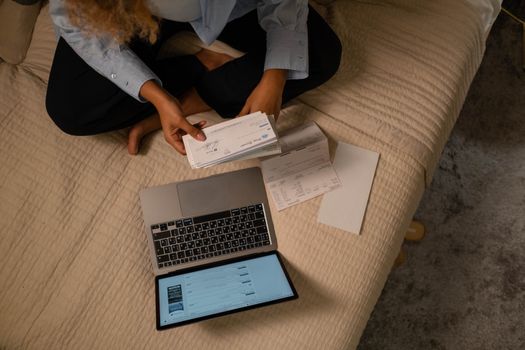
Overhead view of woman organizing finances on bed with laptop and checks. Photo: cottonbro studio / Pexels
One of the most significant factors influencing the online therapy for depression US cost is insurance coverage. The landscape of insurance for telehealth services has evolved rapidly, especially since the COVID-19 pandemic, with many providers now offering expanded coverage. However, navigating these benefits can still be complex. The first step is always to contact your specific insurance provider directly. Ask about your mental health benefits for telehealth, specifically inquiring if online therapy sessions are covered, what your co-pay will be, if there's a deductible you need to meet, and if certain online platforms or providers are in-network. Some online therapy platforms work directly with insurance companies, making the billing process seamless. BetterHelp and Talkspace, for example, have partnerships with a growing number of insurers, but coverage can still vary based on your specific plan. Other platforms might not be directly in-network but can provide you with a superbill, which is an itemized form used for insurance reimbursement. You would pay the full cost upfront and then submit the superbill to your insurance company for partial or full reimbursement, depending on your out-of-network benefits. This requires a bit more administrative effort on your part but can still significantly reduce your overall expenses. Beyond insurance, various avenues exist to reduce the online therapy for depression US cost. Many online platforms and individual therapists offer sliding scale fees based on income. This means that individuals with lower incomes pay a reduced rate for services. Don't hesitate to ask about these options; most providers are committed to making mental health care accessible. Some platforms also offer financial aid programs or scholarships. For example, during times of crisis or for specific demographics, certain platforms might provide free or heavily discounted services. It's always worth checking their websites or contacting their support teams for current opportunities. Another strategy to consider is utilizing Employee Assistance Programs (EAPs). Many employers offer EAPs that provide a certain number of free therapy sessions, often including online options. These programs are designed to help employees deal with personal and work-related problems that might affect their job performance, and depression is a common reason for seeking EAP support. Check with your HR department to see if your employer offers such a benefit. Additionally, some community mental health centers have started offering online services at reduced rates or through grants. Exploring these local resources, even if they're offering virtual care, can be a cost-effective way to receive quality treatment. For more insights on available options, consider resources like finding adult therapy programs. By proactively exploring these financial avenues, you can significantly lower the burden of online therapy for depression US cost and ensure you receive the care you need without undue financial strain.

Maximizing Value: Tips for Effective and Affordable Online Depression Treatment

A man sits indoors writing notes with a pen in a notepad. Casual setting. Photo: Anna Pou / Pexels
Finding affordable online therapy for depression in the US isn't just about the lowest price; it's about maximizing the value you receive for your investment. Here are some tips to ensure you get the most effective treatment without breaking the bank: * **Be Clear About Your Goals:** Before starting therapy, have a clear understanding of what you want to achieve. This helps you and your therapist stay focused, potentially reducing the number of sessions needed and thus the overall cost. Communicate openly about your progress and adjust goals as necessary. * **Utilize Free Consultations:** Many online platforms and individual therapists offer a free introductory call or a discounted first session. Use this opportunity to assess the therapist's approach, ask about their experience with depression, and ensure you feel a good connection. A good fit can lead to more effective and efficient therapy. * **Consider Group Therapy:** Online group therapy sessions are often significantly cheaper than individual sessions and can be incredibly beneficial for depression. Sharing experiences with others facing similar challenges can reduce feelings of isolation and provide diverse perspectives and support. Many platforms now offer specialized online depression support groups. * **Combine with Self-Help Resources:** Therapy is most effective when complemented by self-help strategies. Your therapist might recommend journaling, mindfulness exercises, or specific apps. Integrating these into your routine between sessions can reinforce learned skills and accelerate progress, potentially reducing the overall duration of therapy. * **Understand Session Frequency:** Discuss with your therapist the optimal frequency of sessions. While weekly sessions are common initially, as you progress, you might transition to bi-weekly or monthly check-ins, which will lower your ongoing costs. Don't be afraid to have an open conversation about your budget and how to best manage session frequency. * **Inquire About Short-Term vs. Long-Term Therapy:** Some therapeutic approaches, like CBT, are often effective in a more structured, short-term format. Discuss with your therapist if a goal-oriented, time-limited approach is suitable for your depression, which can help manage costs. However, be honest about your needs, as some individuals require longer-term support. By being strategic and proactive, you can ensure that your online therapy for depression US cost is both manageable and yields significant, lasting improvements to your mental health. The investment in your well-being is invaluable, and affordable options are readily available.

Comparison

FeatureBetterHelp (Subscription)Amwell (Per-Session)Talkspace (Subscription)
Pricing ModelWeekly fee, billed monthlyPer sessionWeekly fee, billed monthly
Avg. Weekly Cost$60 - $90$99 - $120 (per session)$65 - $99
Live Sessions Included?Typically 1 live session/weekYes, as neededVaries by plan (some include)
Unlimited Messaging?
Psychiatry/Medication Mgt.Limited availability✓ (higher cost)✓ (higher cost plans)
Insurance AcceptedGrowing list of providersMany major insurersGrowing list of providers
Financial Aid/Sliding Scale

What Readers Say

"I was hesitant about online therapy for depression, especially concerning the US cost. BetterHelp made it so accessible and affordable. My therapist has been incredibly supportive, and the subscription model means I don't have to worry about per-session fees adding up unexpectedly."

Sarah J. · Austin, TX

"After my in-person therapist moved, I tried Talkspace. The online therapy for depression US cost was surprisingly manageable with my insurance, and the ability to message my therapist throughout the week made a huge difference in managing my anxiety alongside depression. Highly recommend."

Mark D. · Miami, FL

"Amwell was a lifesaver for me. I needed to see a psychiatrist for medication management for my depression, and their per-session cost, while a bit higher, was worth it. Within three months, my symptoms improved significantly thanks to the combined therapy and medication approach."

Jessica L. · Denver, CO

"While the online therapy for depression US cost can still be a stretch, I found that taking advantage of my EAP benefits made it feasible. The convenience of virtual sessions has been invaluable, even if I wish there were more direct insurance partnerships for certain platforms."

David P. · Seattle, WA

"I used a platform that offered a sliding scale for online therapy for depression, which was crucial for my budget. My therapist helped me develop coping strategies that I use daily. It truly proves that effective mental health care doesn't have to break the bank."

Emily R. · Chicago, IL

Frequently Asked Questions

What is the average online therapy for depression US cost?

The average online therapy for depression US cost typically ranges from $60 to $150 per session or $240 to $360 per month for subscription-based services. This can vary based on the platform, therapist's qualifications, type of session (individual vs. couples), and whether medication management is included.

Is online therapy for depression covered by insurance in the US?

Yes, many insurance providers in the US now cover online therapy for depression, especially for video sessions. It's crucial to contact your specific insurance company to verify your telehealth benefits, understand co-pays, deductibles, and whether your chosen online platform or therapist is in-network.

How can I find affordable online therapy for depression if I have a low income?

If you have a low income, you can find affordable online therapy for depression by looking for platforms that offer sliding scale fees based on income, financial aid programs, or scholarships. Additionally, inquire about Employee Assistance Programs (EAPs) through your employer, and explore community mental health centers that may offer reduced-cost virtual services.

Is online therapy as effective as in-person therapy for depression?

Numerous studies suggest that online therapy can be as effective as traditional in-person therapy for treating depression. The key factors for effectiveness remain the quality of the therapeutic relationship, the therapist's expertise, and the individual's commitment to the process, all of which are achievable in a virtual setting.

What's the difference in cost between a therapist and a psychiatrist online?

Online therapy with a licensed therapist (e.g., LCSW, LMFT, LPC) generally costs less, typically ranging from $60-$120 per session. Online psychiatry with a psychiatrist or psychiatric nurse practitioner, who can prescribe medication, is usually more expensive, often ranging from $150-$300 for an initial consultation and $75-$150 for follow-up appointments.

Who should use online therapy for depression?

Online therapy for depression is suitable for adults experiencing mild to moderate depression, those with busy schedules, individuals in remote areas with limited access to in-person care, or anyone seeking a more convenient and often more affordable option. It's particularly beneficial for those who are comfortable with technology and self-motivated.

Are there any hidden costs with online therapy platforms?

While most reputable platforms are transparent, potential 'hidden' costs could include fees for missed appointments, charges for communication outside of scheduled sessions (if not a subscription model), or increased rates for specific specialists. Always read the terms and conditions carefully and clarify all charges upfront.

What is the future trend for online therapy for depression US cost?

The future trend for online therapy for depression US cost is likely to see continued expansion of insurance coverage, potentially more standardized pricing models, and ongoing innovation in technology to make mental health care even more accessible and personalized. The overall trend points towards increasing affordability and integration into mainstream healthcare.

Don't let the perceived online therapy for depression US cost deter you from seeking the help you deserve. With a range of platforms, pricing models, and financial aid options available, effective and affordable mental health support is within reach. Take the first step towards a brighter future today.

Topics: online therapy for depression US costaffordable online mental health UStelehealth depression treatment pricesvirtual counseling depression costonline psychiatry US cost
Leo List
Brampton weed
Adultwork