Impactful volunteer opportunities for adults US
volunteer opportunities for adults US

Impactful volunteer opportunities for adults US

Unlock a world of purpose and connection by exploring diverse volunteer roles tailored for adults nationwide.

Find Your Cause

Key Takeaways

  • ✓ Over 60 million Americans volunteer annually, contributing billions of hours to various causes.
  • ✓ Volunteering can significantly improve mental and physical well-being, reducing stress and increasing life satisfaction.
  • ✓ Opportunities range from environmental conservation and animal welfare to education, healthcare, and social justice.
  • ✓ Many organizations offer flexible schedules, including virtual and short-term projects, to accommodate busy adult lifestyles.

How It Works

1
Identify Your Passions

Reflect on causes you care about, skills you possess, and the impact you wish to make. This personal alignment ensures a more fulfilling volunteer experience.

2
Research Local & National Programs

Utilize online platforms, local community centers, and national databases to find organizations aligning with your interests. Look for reputable groups with clear missions.

3
Connect & Apply

Reach out to potential organizations, inquire about specific roles, and complete any necessary applications or background checks. Be prepared for an orientation or interview.

4
Engage & Reflect

Dive into your chosen role, contribute your time and talents, and regularly reflect on your experiences. This helps you grow and ensures your efforts are impactful.

Why Volunteering Matters: Benefits for Adults and Communities

Two volunteers organize clothing and food donations indoors during daylight. Photo: Julia M Cameron / Pexels
Volunteering is more than just giving back; it's a powerful two-way street that enriches both the individual and the community. For adults across the US, engaging in volunteer opportunities offers a unique blend of personal growth, skill development, and profound satisfaction. In a society increasingly seeking connection and purpose, dedicating time to a cause larger than oneself can be a transformative experience. Studies consistently show that volunteers report higher levels of happiness, lower rates of depression, and even improved physical health compared to non-volunteers. The act of helping others fosters a sense of accomplishment and belonging, combating feelings of isolation that can sometimes accompany adult life. Whether you're a recent retiree looking for a new chapter, a working professional seeking a meaningful break from routine, or someone simply wanting to make a difference, the benefits are undeniable. Beyond personal well-being, the impact on communities is immeasurable. Volunteers are the backbone of countless non-profits, charities, and community initiatives that address critical social, environmental, and economic needs. They provide essential services, advocate for change, and build stronger, more resilient neighborhoods. From delivering meals to homebound seniors to mentoring at-risk youth, cleaning up local parks, or assisting with disaster relief efforts, adult volunteers fill vital gaps that government agencies and paid staff often cannot. Their collective efforts strengthen the social fabric, promote civic engagement, and create a more equitable and compassionate society. Furthermore, volunteering allows adults to utilize their existing professional skills in new contexts or develop entirely new ones. This can be particularly beneficial for career transitions, networking, and staying mentally agile. For many, it's an opportunity to apply decades of experience to a cause they deeply believe in, leaving a legacy of positive change. The sense of shared humanity and collective action that arises from volunteering is a powerful force, demonstrating that even small individual contributions can lead to significant societal improvements. It's about building bridges, fostering understanding, and creating a ripple effect of kindness and support that extends far beyond the immediate beneficiaries. The diverse range of volunteer opportunities for adults in the US means there's a perfect fit for almost any interest or availability, ensuring everyone can find their unique way to contribute and thrive.

Exploring Diverse Volunteer Opportunities for Adults Across the US

Group of volunteers in blue sweaters organizing food donations with brown boxes and clipboards indoors. Photo: cottonbro studio / Pexels
The landscape of volunteer opportunities for adults across the United States is incredibly vast and varied, catering to almost every interest, skill set, and time commitment. This diversity ensures that whether you're passionate about environmental causes, education, healthcare, social justice, or animal welfare, there's a role waiting for you to make a meaningful contribution. For those who love the outdoors, environmental volunteering is a popular choice. Opportunities include participating in park clean-ups, trail maintenance, habitat restoration projects, or assisting at nature centers. Organizations like the National Park Service, local conservation groups, and environmental advocacy non-profits frequently seek adult volunteers for both hands-on work and administrative support. Education and youth development offer another significant avenue for adult volunteers. This can range from tutoring students in reading or math, mentoring young people, assisting in after-school programs, or helping with school fundraising events. Programs like Big Brothers Big Sisters, local libraries, and school districts are always in need of dedicated adult mentors and educators. Healthcare and social services present numerous critical roles. Volunteers can provide companionship to seniors, assist in hospitals or nursing homes, deliver meals to the homebound (e.g., Meals on Wheels), or support food banks and homeless shelters. These roles often require empathy, patience, and a willingness to engage with vulnerable populations, offering profound personal rewards. Animal lovers have a wealth of options, too. Shelters and rescue organizations constantly need volunteers to walk dogs, socialize cats, assist with adoptions, transport animals, or help with fundraising events. This can be a highly rewarding experience for those who connect deeply with animals. Furthermore, skilled professionals can often find pro bono opportunities, offering their expertise in areas like law, marketing, accounting, or technology to non-profits that cannot afford such services. This allows adults to leverage their professional careers for social good, providing invaluable support to organizations that are often resource-constrained. For those with limited mobility or time, virtual volunteering has become increasingly popular. This can involve tasks like online tutoring, graphic design, social media management, data entry, or even transcribing historical documents from home. This flexibility makes volunteering accessible to a broader range of adults, including those with disabilities or demanding schedules. Finally, disaster relief and emergency preparedness organizations, such as the American Red Cross, regularly recruit and train adult volunteers to respond to crises, provide support to victims, and help communities recover. These roles are often demanding but offer an unparalleled opportunity to make a direct and immediate impact during times of great need. The sheer breadth of these opportunities ensures that every adult, regardless of their background or current life stage, can find a fulfilling path to contribute to their local and national communities.

Finding the Right Fit: Resources and Tips for Adult Volunteers

A close-up of a person wearing a volunteer shirt with arms crossed, promoting community service. Photo: RDNE Stock project / Pexels
Embarking on a volunteer journey requires more than just good intentions; it demands a strategic approach to ensure a fulfilling and sustainable experience. For adults seeking volunteer opportunities in the US, the first step is often identifying the right resources to connect with organizations. Several excellent platforms serve as comprehensive databases, allowing you to filter by location, cause, skill, and time commitment. Websites like VolunteerMatch.org, Idealist.org, and United Way's local chapters are prime examples, offering thousands of listings from reputable non-profits across the country. These platforms not only list opportunities but often provide detailed descriptions, requirements, and contact information, streamlining the search process. Additionally, local community centers, libraries, and religious institutions often maintain lists of local volunteering needs, providing a more localized approach to finding an ideal match. Don't underestimate the power of word-of-mouth; asking friends, family, or colleagues about their volunteer experiences can lead to unexpected and rewarding connections. Once you’ve identified potential organizations, thorough research is key. Look into their mission, values, and track record. Check their presence on Charity Navigator or GuideStar to assess their transparency and financial health. A reputable organization will have clear goals, organized programs, and a supportive environment for its volunteers. Consider what kind of commitment you can realistically make. Are you looking for a one-off event, a short-term project, or a long-term, regular commitment? Be honest with yourself about your availability and energy levels to avoid burnout and ensure you can consistently deliver on your promises. Many organizations offer flexible options, including remote work or specific project-based roles, which can be ideal for busy adults. When you connect with an organization, be proactive in asking questions. Inquire about the training provided, the expectations for volunteers, the support systems in place, and the impact of your work. A good fit often involves alignment not just with the cause, but also with the organizational culture and the specific role's demands. Don't be afraid to try out different roles or organizations through short-term commitments before settling into a long-term position. This 'audition' period benefits both you and the organization, ensuring mutual satisfaction. Ultimately, the goal is to find an opportunity where your skills are valued, your time is respected, and you feel genuinely connected to the cause, leading to a truly impactful and rewarding volunteer experience for all involved. Remember, your time is a valuable commodity, and investing it wisely in a cause you believe in will yield immense personal and communal dividends.

Maximizing Your Impact: Tips for Successful Adult Volunteering
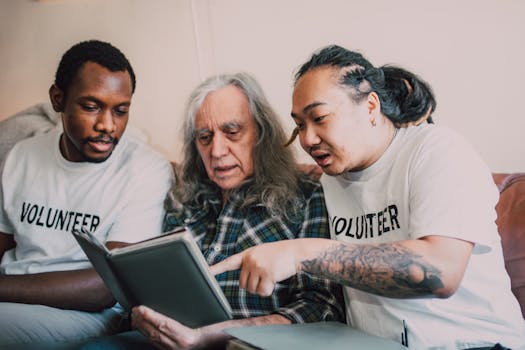
Volunteers assisting an elderly man with a photo album, demonstrating community support and multiculturalism. Photo: RDNE Stock project / Pexels
To truly make a difference and ensure a rewarding experience, adult volunteers in the US can adopt several strategies. These tips move beyond simply showing up and aim to maximize both your personal fulfillment and the positive impact on the organization and its beneficiaries. **1. Communicate Proactively and Clearly:** One of the most crucial aspects of successful volunteering is effective communication. Be clear about your availability, skills, and any limitations from the outset. If your schedule changes, or if you have concerns, communicate them immediately with your volunteer coordinator. This builds trust and allows the organization to plan effectively, ensuring your contributions are utilized best. Don't be afraid to ask questions if you're unsure about a task or procedure; it shows engagement and a desire to do things correctly. **2. Be Reliable and Punctual:** Your commitment is a promise. Arrive on time for your shifts or meetings, and if you've committed to a task, see it through. Organizations rely heavily on their volunteers, and consistency is key to their operations. Unreliability can cause significant disruption and extra work for staff, undermining the very purpose of your involvement. **3. Embrace Training and Learn Continuously:** Even if you have extensive professional experience, every organization has its unique protocols and needs. Be open to receiving training, asking for feedback, and learning new skills. This not only makes you a more effective volunteer but can also broaden your personal and professional horizons. View every task as an opportunity for growth. **4. Take Initiative (Within Boundaries):** Once you're comfortable with your role and the organization's processes, look for ways to take initiative. Can you streamline a process? Do you see a need that isn't being met and have the capacity to address it? Offer your ideas and solutions, but always respect organizational structures and seek approval before implementing significant changes. **5. Be Patient and Flexible:** Non-profit environments can sometimes be fast-paced, under-resourced, or subject to unexpected changes. Maintain a patient and flexible attitude. Not every day will be perfectly organized, and sometimes you might be asked to pivot to a different task. Your adaptability is a huge asset. **6. Respect Confidentiality and Boundaries:** Many volunteer roles involve working with vulnerable populations or sensitive information. Always respect confidentiality and maintain appropriate professional boundaries with clients, staff, and other volunteers. Understand and adhere to the organization's ethical guidelines. **7. Reflect and Seek Feedback:** Regularly reflect on your experiences. What went well? What challenges did you face? What impact do you feel you've made? Also, actively seek feedback from your coordinator. This self-assessment and external input are invaluable for personal growth and ensuring your volunteering remains meaningful and effective. By following these tips, adult volunteers can not only enhance their own experience but also become indispensable assets to the organizations they serve, truly maximizing their positive impact on communities across the US.

Comparison

FeatureLocal Community CenterNational Non-ProfitVirtual Volunteering
Direct ImpactHighMediumMedium
FlexibilityMediumLow to MediumHigh
Networking PotentialLocalNational/ProfessionalGlobal/Diverse
Skill DevelopmentBroad/Hands-onSpecializedTech-focused
Time CommitmentVariableOften structuredHighly variable
Travel Required

What Readers Say

"Finding volunteer opportunities for adults in the US through my local food bank was incredibly easy. I've been helping sort donations for six months now, and it's so fulfilling to know I'm directly contributing to my community's well-being. The team is wonderful!"

Sarah J. · Austin, TX

"As a retiree, I wanted to stay active and engaged. I found a mentorship program for at-risk youth. The volunteer opportunities for adults US offer truly changed my perspective and gave me a renewed sense of purpose. Highly recommend exploring options!"

Mark D. · Seattle, WA

"I used an online platform to find virtual volunteer opportunities for adults US in graphic design. I've helped two small non-profits create marketing materials, which has not only helped them but also kept my skills sharp and expanded my portfolio."

Emily R. · Boston, MA

"Volunteering at the animal shelter has been great, though the schedule can sometimes be a bit unpredictable due to staffing. Still, the joy of working with the animals and seeing them adopted makes it absolutely worth the slight inconvenience."

David K. · Denver, CO

"My company organized a corporate volunteering day, and it introduced me to environmental clean-up efforts. I never thought I'd enjoy it so much, and now I regularly participate in weekend park clean-ups. It's a fantastic way to bond with colleagues and give back."

Maria P. · Miami, FL

Frequently Asked Questions

What are the most common volunteer opportunities for adults US?

The most common volunteer opportunities for adults in the US span a wide range, including food banks, animal shelters, hospitals, schools (tutoring/mentoring), environmental clean-ups, and support for senior citizens. Many adults also engage in community development projects or offer pro bono professional services to non-profits.

I'm very busy; can I still find meaningful volunteer opportunities?

Absolutely! Many organizations offer flexible volunteer options, including short-term projects, one-off events, or virtual roles that can be done from home at your convenience. Look for opportunities that require a few hours a month or project-based commitments to fit your schedule.

How do I find local volunteer opportunities for adults in my area?

You can find local opportunities by checking websites like VolunteerMatch.org, Idealist.org, or your local United Way chapter. Community centers, libraries, religious institutions, and local government websites often list needs. Don't hesitate to directly contact organizations you admire.

Is there a cost associated with volunteering?

Generally, there is no cost to volunteer. Some organizations might ask for a small fee for background checks, uniforms, or training materials, but this is usually minimal. Any significant fees should be a red flag, and you should inquire further about their purpose.

How do virtual volunteer opportunities compare to in-person ones?

Virtual opportunities offer unparalleled flexibility and can leverage specialized skills like graphic design, writing, or data analysis, making a significant impact. While they may lack the direct personal interaction of in-person roles, they are equally valuable and often crucial for organizations with limited physical resources or a broader reach.

Who should consider volunteer opportunities for adults US?

Anyone looking to contribute to their community, gain new skills, meet new people, or find a deeper sense of purpose should consider volunteer opportunities. It's beneficial for retirees, students, working professionals, stay-at-home parents, and anyone seeking personal growth and community connection.

What safety precautions should I take when choosing a volunteer role?

Always research the organization's reputation and mission. Ensure they have clear guidelines for volunteers, especially when working with vulnerable populations. Inquire about background checks, training, and emergency procedures. Trust your instincts; if something feels off, seek alternatives.

What is the future trend for adult volunteering in the US?

The trend points towards increased demand for skilled volunteers, more flexible and virtual opportunities, and a greater emphasis on measuring impact. Technology will continue to play a larger role in connecting volunteers with causes, and corporate social responsibility programs will likely expand, encouraging more workplace volunteering.

Ready to make a tangible difference in your community and beyond? Explore the vast array of volunteer opportunities for adults across the US today. Your unique skills, passion, and time are invaluable assets waiting to transform lives and strengthen communities. Start your fulfilling volunteer journey now and discover the profound impact you can create.

Topics: volunteer opportunities for adults USadult volunteering Americacommunity service for adultssenior volunteer programscorporate volunteering US
Leo List
Brampton weed
Adultwork