✓ Over 70% of US adults report having at least one hobby.
✓ Hobbies reduce stress and improve mental well-being.
✓ Many hobbies require minimal initial investment.
✓ Online communities make finding and learning new hobbies easier than ever.
How It Works
1
Reflect on Your Interests & Values
Consider what genuinely excites you, what skills you'd like to develop, or what problems you enjoy solving. Your values can also guide you towards meaningful activities.
2
Research & Explore Options
Look into various hobbies that align with your initial thoughts. Use online resources, local community centers, and social media to discover possibilities.
3
Trial & Experiment
Don't be afraid to try a few different activities before committing. Many local organizations offer introductory classes or workshops at low cost.
4
Commit & Connect
Once you find a hobby you enjoy, dedicate time to it regularly. Seek out local clubs or online communities to deepen your engagement and meet like-minded individuals.
Understanding the Benefits of Adult Hobbies in the US
Photo: Alena Darmel / Pexels
Embarking on a new adult hobby in the US is far more than just a way to pass the time; it's a strategic investment in your overall well-being and personal growth. In today's fast-paced, often demanding world, carving out dedicated time for activities that genuinely excite you can be transformative. One of the most immediate and widely recognized benefits is stress reduction. Engaging in a hobby you love allows your mind to disengage from daily pressures, providing a much-needed mental break. Whether it's the rhythmic motion of knitting, the focused attention required for woodworking, or the exhilarating challenge of rock climbing, hobbies offer a sanctuary where you can recharge and find equilibrium. This mental respite doesn't just feel good in the moment; it has lasting effects on your resilience and ability to handle life's stressors more effectively. Beyond stress relief, hobbies are powerful tools for enhancing mental well-being. They can combat feelings of loneliness and isolation, particularly if you choose activities that involve social interaction. Joining a book club, a hiking group, or a community art class naturally fosters connections with like-minded individuals, building a supportive network that enriches your life. For those who struggle with anxiety or depression, the sense of accomplishment derived from mastering a new skill or completing a project can significantly boost self-esteem and provide a sense of purpose. Furthermore, hobbies stimulate cognitive function. Learning something new, whether it's a language, a musical instrument, or a complex strategy game, keeps your brain active and engaged. This cognitive exercise can improve memory, problem-solving skills, and overall mental acuity, potentially even warding off age-related cognitive decline. Physically, many hobbies offer substantial benefits. Activities like gardening, cycling, dancing, or even active photography can improve cardiovascular health, strength, and flexibility. Even seemingly sedentary hobbies, such as intricate model building or detailed drawing, can enhance fine motor skills and hand-eye coordination. Ultimately, a well-chosen hobby contributes significantly to a more balanced and fulfilling life, offering avenues for self-expression, continuous learning, and joyful engagement with the world around you. It's a proactive step towards a healthier, happier you, proving that the pursuit of personal interests is never a luxury, but a vital component of a thriving adult life. For more on the psychological impact of engaging activities, you might explore resources on adult personal development and its benefits.
Navigating Your Interests: How to Find Your Perfect Adult Hobby US
Photo: hitesh choudhary / Pexels
The journey to finding your perfect adult hobby in the US begins with introspection and exploration. It's not about randomly picking an activity, but rather understanding what truly resonates with you. Start by asking yourself some fundamental questions: What did you enjoy doing as a child that you've since neglected? Are there skills you've always admired in others that you wish you possessed? What kind of environment do you thrive in – solitary or social, indoor or outdoor, quiet or active? Your answers will provide valuable clues. Consider your personality type. Are you an introvert who prefers quiet, focused activities like writing, painting, or coding? Or are you an extrovert who thrives in group settings such as team sports, dance classes, or community theater? Do you enjoy creative expression, analytical challenges, physical exertion, or perhaps a blend of these? Don't limit yourself based on preconceived notions of what a hobby *should* be. A hobby can be anything that brings you joy and a sense of accomplishment. Once you have a general idea, it's time to explore the vast landscape of options available across the United States. Utilize online resources extensively. Websites like Meetup.com, Eventbrite, and even Facebook groups are excellent for discovering local clubs, workshops, and introductory classes. Search for terms like "[your city] [type of hobby] club" or "beginner [hobby] classes near me." Libraries often host free workshops, and community centers are hubs for affordable classes ranging from pottery to yoga. Consider low-commitment ways to sample activities. Instead of investing heavily in equipment for a new sport, see if you can rent gear or borrow from a friend for a trial run. Many art studios offer one-time 'paint and sip' events, and local parks departments frequently have free guided nature walks or introductory fitness sessions. Attending local festivals, craft fairs, or expos can also expose you to a variety of hobbies you might not have considered. Observe what others are doing and strike up conversations. You might discover a passion for beekeeping, urban gardening, or even competitive board gaming. The key is to approach this phase with an open mind and a willingness to experiment. Remember, the goal isn't immediate mastery, but discovering an activity that sparks your interest and brings you a sense of fulfillment. It’s okay if your first few attempts don't stick; each experience refines your understanding of what you truly enjoy. The US offers an unparalleled diversity of opportunities, from bustling urban arts scenes to serene natural landscapes, ensuring there's a perfect hobby waiting for everyone to discover.
Practical Steps to Starting an Adult Hobby in the US
Photo: Thirdman / Pexels
Once you've identified a potential hobby, the next step is to transform that interest into action. This involves a series of practical considerations, from budgeting and time management to finding resources and connecting with communities. First and foremost, consider the financial aspect. While some hobbies can be expensive, many are surprisingly affordable or even free. Before diving in, research the typical startup costs. Can you borrow equipment, buy used, or start with a basic, inexpensive kit? For example, if you're interested in photography, you don't need a professional camera immediately; your smartphone can be an excellent starting point. If it's gardening, begin with a few seeds and pots rather than a full backyard overhaul. Libraries offer free access to books, online courses, and sometimes even tools. Online platforms like YouTube are invaluable for free tutorials across almost any hobby imaginable. Secondly, dedicate time. Consistency is key to developing any skill or truly enjoying a hobby. Look at your current schedule and identify realistic blocks of time you can commit each week. Even 30 minutes a few times a week can make a significant difference. Schedule your hobby time just like you would an important appointment. This helps prevent it from being pushed aside by other demands. Be realistic; don't aim for perfection from day one. The initial stages of any new activity involve learning, mistakes, and gradual improvement. Embrace the beginner's mind, allowing yourself to learn and grow without undue pressure. Thirdly, seek out resources and instruction. Depending on your chosen hobby, this could mean enrolling in a local class, joining an online course (platforms like Skillshare or Coursera offer a wide range), finding a mentor, or simply following online tutorials. Local community colleges, recreation centers, and specialized studios often offer beginner-friendly classes. Don't underestimate the power of books and magazines as well. For example, if you're interested in woodworking, a local hardware store might offer workshops, or you could find a guild. If you're looking into adult fitness activities, many gyms offer introductory personal training sessions. Finally, connect with others. This is arguably one of the most rewarding aspects of starting a new hobby. Look for local clubs, groups, or online forums dedicated to your interest. Websites like Meetup.com are excellent for finding local communities, whether it's for board games, hiking, crafting, or writing. Engaging with others provides motivation, opportunities for learning, and a sense of belonging. You can share tips, celebrate successes, and even find partners for your activities. This social aspect often deepens your enjoyment and commitment to the hobby, transforming it from a solitary pursuit into a shared passion that enriches your life in multiple dimensions. Building this community can also open doors to new opportunities related to your hobby, from exhibitions to collaborative projects, further solidifying your engagement.
Tips for Sustaining Your Adult Hobby & Avoiding Common Pitfalls
Photo: Mikhail Nilov / Pexels
Starting an adult hobby is exciting, but sustaining it amidst life's demands can be challenging. To ensure your new passion becomes a lasting source of joy, consider these tips and be aware of common pitfalls. First, set realistic expectations. You won't become a master overnight, and that's perfectly fine. The goal is enjoyment and personal growth, not professional perfection. Embrace the learning curve and celebrate small victories. Don't compare your progress to others, especially those who have been practicing for years. Your journey is uniquely yours. Second, integrate your hobby into your routine. Consistency is crucial. Whether it's daily, weekly, or bi-weekly, carve out dedicated time and treat it as non-negotiable. If life gets in the way, be flexible but don't abandon it entirely. Even a short session is better than none. Third, manage your budget. Hobbies can become expensive if not managed carefully. Before making significant purchases, ensure you're genuinely committed. Look for second-hand equipment, rent tools, or explore free online resources. Many communities offer shared workshops or tool libraries that can significantly reduce costs. Fourth, stay curious and challenge yourself. Once you've mastered the basics, look for ways to expand your skills or try new variations within your hobby. This keeps it fresh and prevents boredom. Attend workshops, read advanced books, or try a new technique. Common pitfalls to avoid include:
* **Over-committing too soon:** Don't buy every piece of gear or sign up for every class immediately. Start small and test the waters.
* **Perfectionism:** The desire for perfection can stifle creativity and lead to frustration. Focus on the process and the joy of creation, not just the end product.
* **Isolation:** While some hobbies are solitary, actively seeking out communities (online or in-person) can provide motivation, support, and new learning opportunities.
* **Ignoring a lack of interest:** If a hobby genuinely isn't bringing you joy after a fair trial, it's okay to move on. The purpose is fulfillment, not obligation.
* **Lack of time management:** Without scheduling, hobbies often fall by the wayside. Protect your dedicated hobby time.
* **Underestimating the 'why':** Remind yourself of the benefits – stress relief, creativity, social connection – to stay motivated during challenging phases.
* **Fear of failure:** Every expert was once a beginner. Embrace mistakes as learning opportunities.
By being mindful of these aspects, you can cultivate a hobby that not only brings you immense personal satisfaction but also stands the test of time, enriching your life for years to come.
Comparison
Feature
Creative Arts (e.g., painting)
Outdoor Adventure (e.g., hiking)
Skill-Based (e.g., coding)
Community-Oriented (e.g., volunteering)
Initial Cost
Low to Moderate (supplies vary)
Low to Moderate (gear, permits)
Low (free online resources)
Very Low (time commitment)
Social Interaction
Moderate (classes, groups)
Moderate to High (groups, clubs)
Low to Moderate (online forums, meetups)
Very High (direct interaction)
Physical Exertion
Low
High
Low
Moderate (depends on activity)
Learning Curve
Gradual, continuous
Moderate, skill-dependent
Steep initially, continuous
Low to Moderate
Key Benefit
Self-expression, relaxation
Physical health, nature connection
Problem-solving, career skills
Social connection, altruism
What Readers Say
★★★★★
"This guide truly opened my eyes to how to start an adult hobby in the US. I always wanted to try pottery but felt intimidated. The tips on finding local workshops and managing costs were incredibly helpful, and now I'm part of a wonderful studio!"
Sarah J. · Austin, TX
★★★★★
"As a busy professional, I struggled to find time for myself. This article helped me identify a hobby (urban gardening) that fits my schedule and budget. It's been a game-changer for stress relief and connecting with my community."
Mark D. · Seattle, WA
★★★★★
"I followed the advice to explore different interests before committing. I tried a dance class, then a writing workshop, and finally settled on photography. The structured approach in this guide made the process feel less overwhelming and more enjoyable."
Emily R. · Miami, FL
★★★★★
"The guide provided excellent insights into finding a hobby that aligns with my values. While I'm still figuring out the perfect fit, the suggestions for outdoor activities and connecting with local groups have been very valuable. It's a solid starting point for anyone."
David L. · Denver, CO
★★★★★
"I loved the emphasis on community. Before reading this, I thought hobbies were purely solitary. Joining a local hiking club, as suggested, has not only improved my physical health but also introduced me to an amazing group of friends."
Jessica M. · Chicago, IL
Frequently Asked Questions
What are the most popular adult hobbies in the US?
Popular adult hobbies in the US span a wide range, including reading, gardening, cooking/baking, hiking, photography, various crafts (knitting, painting, woodworking), gaming (board games, video games), fitness activities (yoga, running, cycling), and learning new skills like languages or musical instruments. The 'best' hobby is ultimately subjective and depends on individual interests.
I'm too busy to start a new hobby; how can I make time?
Many people feel this way, but even small pockets of time can be effective. Start by scheduling just 15-30 minutes a few times a week, treating it like an important appointment. Look for hobbies that can be done in short bursts or integrated into existing routines, like listening to a podcast while commuting or doing a quick sketch during a lunch break. Prioritize your well-being.
How do I find local groups or classes for a specific hobby?
Begin by searching online using terms like "[your city] [hobby name] club" or "beginner [hobby name] classes near me." Websites like Meetup.com, Eventbrite, and local community center websites are excellent resources. Libraries often host free workshops, and specialized stores (e.g., art supply stores, yarn shops) frequently offer classes or know of local groups.
How much does it cost to start a new hobby in the US?
The cost varies significantly. Many hobbies, like reading or hiking (if you already have appropriate clothing), can be free or very low cost. Others, like woodworking or photography, might require an initial investment in equipment. Always start with the basics, borrow, or buy used equipment if possible. Many introductory classes are also affordably priced to help you test the waters without a huge commitment.
What if I try a hobby and don't enjoy it?
That's perfectly normal and part of the discovery process! The goal is to find something that brings you joy and fulfillment, not to force yourself into an activity you dislike. Don't view it as a failure; instead, see it as valuable information that helps you narrow down what you truly enjoy. Move on and try something else, applying what you learned about your preferences.
Who should consider starting an adult hobby in the US?
Anyone looking to enrich their life, reduce stress, learn new skills, connect with others, or simply find a fulfilling way to spend their free time should consider starting an adult hobby. It's beneficial for people of all ages and backgrounds, providing a sense of purpose and improving overall mental and physical well-being.
Are there any safety concerns with certain adult hobbies?
Yes, some hobbies, particularly those involving tools, chemicals, or outdoor activities, may have safety considerations. Always research proper safety protocols, wear appropriate protective gear, and consider taking introductory classes from certified instructors. For outdoor activities, inform someone of your plans and be aware of weather conditions and local regulations.
What are some emerging hobby trends for adults in the US?
Emerging trends include digital art and illustration, sustainable living practices (e.g., composting, zero-waste crafting), urban farming/gardening, competitive board gaming, drone photography, podcasting, and various forms of mindful movement like Tai Chi or Qigong. The rise of online communities continues to facilitate niche hobby discovery and connection.
Ready to transform your free time into fulfilling moments? Use this guide to discover how to start an adult hobby in the US that truly resonates with you. Don't wait – your next great passion and a richer, more balanced life are just a step away.

 Photo: Alena Darmel / Pexels
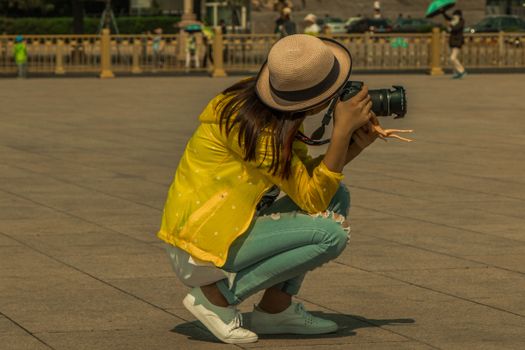 Photo: hitesh choudhary / Pexels
 Photo: Thirdman / Pexels
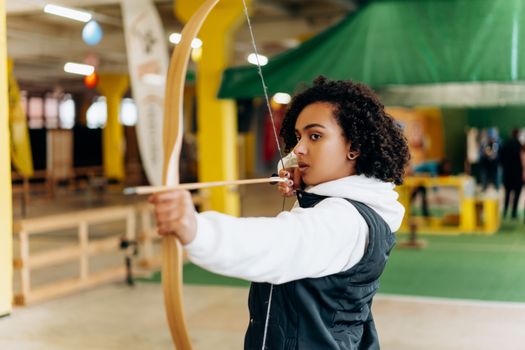 Photo: Mikhail Nilov / Pexels