
how to file taxes for the first time US: Your Ultimate Guide
Navigate your inaugural tax season with confidence and clarity, ensuring you meet all requirements and maximize your returns.
Start Your Tax JourneyKey Takeaways
- ✓ Most US residents with earned income must file federal income taxes.
- ✓ You'll need documents like W-2s, 1099s, and records of deductions/credits.
- ✓ The tax filing deadline is typically April 15th each year.
- ✓ Various filing methods exist, from free software to professional assistance.
How It Works
Collect all income statements (W-2s, 1099s) and records for potential deductions or credits. This crucial step ensures you have all necessary information before starting.
Decide whether to use tax software, a tax professional, or file manually with IRS forms. Your choice depends on your comfort level and the complexity of your financial situation.
Carefully input all your financial data into your chosen filing method. Double-check for accuracy to avoid errors and potential issues with the IRS.
Electronically file your return or mail it to the IRS by the deadline. Keep copies of all submitted documents and supporting records for at least three years.
Understanding Your Tax Obligations as a First-Time Filer
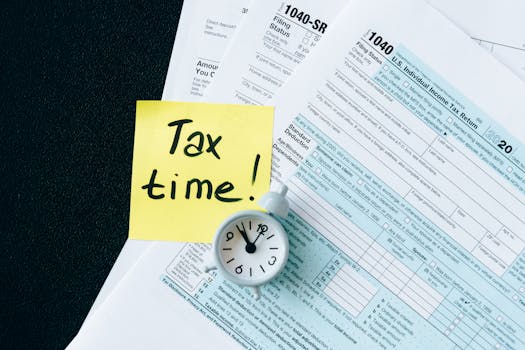 Photo: Nataliya Vaitkevich / Pexels
Collecting Your Essential Tax Documents and Information
 Photo: Leeloo The First / Pexels
Choosing the Right Filing Method and Software for Beginners
 Photo: Leeloo The First / Pexels
Common Mistakes First-Time Filers Make and How to Avoid Them
 Photo: RDNE Stock project / Pexels
Comparison
| Feature | Free Tax Software | Commercial Tax Software | Tax Professional (CPA/EA) |
|---|---|---|---|
| Cost | Free (for eligible AGI) | Starts at $40-$150+ | $150-$500+ (hourly/flat fee) |
| Complexity Handled | Basic (W-2, simple deductions) | Moderate to Advanced | Any, including very complex |
| Guidance Level | Step-by-step questions | Enhanced guidance, expert chat | Personalized advice, full preparation |
| Error Checking | ✓ Basic | ✓ Advanced | ✓ Expert Review |
| Audit Support | ✗ Limited/Add-on | ✓ Often included/Add-on | ✓ High-level support |
What Readers Say
"As a student, I was terrified about how to file taxes for the first time US. This guide broke down every step, from gathering W-2s to choosing software. It made the whole process feel manageable and I even got a good refund!"
Sarah J. · Austin, TX"I just started my first full-time job and had no clue about taxes. This article was incredibly helpful, especially the section on documents needed. I followed the advice and filed my taxes without a single hiccup."
Michael D. · Chicago, IL"The tips on avoiding common mistakes were a lifesaver! I almost forgot to check my bank account info for my refund. Thanks to this guide, I filed accurately and got my refund quickly after filing taxes for the first time in the US."
Emily R. · Seattle, WA"The guide is very thorough, although I wish there was a bit more detail on state tax filing for Florida specifically. However, it still provided an excellent foundation for understanding how to file taxes for the first time US federally."
David L. · Miami, FL"I used the recommended free tax software after reading this. The step-by-step instructions in the article mirrored the software's process, making my first tax filing experience incredibly smooth and stress-free. Highly recommend for any first-timer!"
Jessica M. · Denver, COFrequently Asked Questions
What is the absolute first step I should take when learning how to file taxes for the first time US?
The absolute first step is to gather all your income documents, such as W-2s from employers and any 1099 forms for other income, along with records for potential deductions or credits. Having these documents organized before you begin will streamline the entire filing process and ensure accuracy.
I'm worried about making a mistake. What's the best way to ensure my first tax return is accurate?
To ensure accuracy, consider using reputable tax software that guides you through the process with built-in error checks. Also, double-check all entries against your original documents before submitting. If your situation is complex, or you're still uncertain, consider using a VITA/TCE program or consulting a tax professional.
How do I know if I'm required to file taxes for the first time in the US?
You generally need to file if your gross income exceeds a certain threshold, which varies by your age and filing status. Even if your income is below this threshold, you might want to file to claim a refund if federal income tax was withheld from your paychecks or if you qualify for refundable tax credits like the Earned Income Tax Credit.
Are there free options available for someone learning how to file taxes for the first time US?
Yes, absolutely! The IRS Free File program offers free federal (and sometimes state) tax preparation and e-filing for eligible taxpayers. Additionally, programs like VITA (Volunteer Income Tax Assistance) and TCE (Tax Counseling for the Elderly) provide free tax help from certified volunteers for those who qualify based on income, age, or disability.
What's the difference between a tax deduction and a tax credit?
A tax deduction reduces your taxable income, meaning you pay tax on a smaller amount of money. A tax credit, on the other hand, directly reduces the amount of tax you owe, dollar for dollar. Tax credits are generally more beneficial than deductions, as they have a more direct impact on your final tax bill or refund.
Who should use a tax professional versus filing themselves for the first time?
If your tax situation is straightforward (e.g., W-2 income only, standard deduction), filing yourself with tax software is often sufficient. A tax professional is recommended if you have complex income sources (e.g., self-employment, investments, rental properties), significant life changes, or if you feel overwhelmed and prefer expert guidance to ensure compliance and maximize benefits.
Is it safe to file my taxes online for the first time?
Yes, e-filing through reputable tax software or the IRS Free File program is generally very safe and secure. These platforms use encryption to protect your data. It's often safer than mailing a paper return, which can get lost or delayed. Always ensure you're using official IRS-approved software or websites.
What are some future tax changes I should be aware of as a new filer?
Tax laws can change annually, so it's crucial to stay informed. Key areas to watch include adjustments to standard deductions, tax brackets, and eligibility for various credits. The IRS website and reputable tax news sources are excellent resources for staying up-to-date on any significant changes that might impact your future filings.
Navigating how to file taxes for the first time US doesn't have to be intimidating. By understanding the requirements, gathering your documents, and choosing the right filing method, you can confidently fulfill your tax obligations and even secure a refund. Take the first step today and empower yourself with financial knowledge.