✓ You are entitled to one free credit report from each of the three major bureaus (Equifax, Experian, TransUnion) annually.
✓ AnnualCreditReport.com is the only federally authorized website to get your free reports.
✓ Checking your own credit report is a 'soft inquiry' and does not hurt your credit score.
✓ Regularly reviewing your credit report helps detect errors and potential identity theft.
How It Works
1
Visit AnnualCreditReport.com
This is the only official, government-mandated source for your free annual credit reports. Beware of imposter sites that may try to charge you or collect your data.
2
Request Reports from Each Bureau
You can request reports from Equifax, Experian, and TransUnion simultaneously or space them out throughout the year. It's often wise to stagger them to monitor changes.
3
Verify Your Identity
Each bureau will ask a series of security questions to confirm your identity. These questions are usually based on information found in your credit file, such as past addresses or loan details.
4
Review and Download Your Report
Once verified, you'll be able to view and download your credit report instantly. Thoroughly review all sections for accuracy, looking for any unfamiliar accounts or incorrect personal details.
Understanding Your Right to a Free Credit Report
Photo: RDNE Stock project / Pexels
The Fair Credit Reporting Act (FCRA) is a landmark piece of legislation that grants every American the right to access their credit information. Specifically, it mandates that the three major credit reporting agencies – Equifax, Experian, and TransUnion – provide you with a free copy of your credit report once every 12 months. This isn't just a courtesy; it's a fundamental consumer protection designed to empower you to monitor your financial standing and safeguard against inaccuracies and fraud. Many people mistakenly believe that checking their credit report will negatively impact their credit score. This is a common misconception. When you request your own credit report through AnnualCreditReport.com, it's considered a 'soft inquiry,' which has no bearing on your credit score. Only 'hard inquiries,' typically initiated by lenders when you apply for new credit, can potentially affect your score. Therefore, there's absolutely no downside to exercising your right to get a free credit report online.
Beyond the annual free reports, there are other circumstances under which you might be entitled to additional free reports. For instance, if you've been denied credit, insurance, or employment based on information in your credit report, you can request a free copy within 60 days of receiving the adverse action notice. Similarly, if you're a victim of identity theft and have placed a fraud alert on your file, you're eligible for free reports. Residents in certain states may also have additional rights to free reports. Understanding these provisions is crucial for maintaining vigilant oversight of your credit health. It’s not just about knowing your score; it’s about understanding the detailed history that forms the basis of that score. This detailed history includes everything from your payment history and amounts owed to the length of your credit history and types of credit used. Each element plays a significant role in how lenders view your creditworthiness. By regularly reviewing these details, you can identify areas for improvement and ensure that the information being used to assess your financial reliability is accurate and up-to-date. Taking proactive steps to understand and manage your credit report is a cornerstone of responsible financial management. For more insights into how your credit score is calculated, you might want to explore resources on factors affecting credit scores. This knowledge empowers you to make informed decisions and build a stronger financial future.
The Critical Importance of Regular Credit Report Review
Photo: Vanessa Garcia / Pexels
Your credit report is more than just a document; it's a comprehensive financial narrative that lenders, landlords, employers, and even insurance companies use to assess your reliability. Regularly reviewing your credit report is paramount for several compelling reasons. Firstly, it's your primary defense against identity theft. Fraudsters are constantly looking for opportunities to open accounts in your name or make unauthorized purchases. By scrutinizing your report, you can quickly spot unfamiliar accounts, inquiries you didn't authorize, or addresses you've never lived at. Early detection of such discrepancies can save you immense financial and emotional distress, allowing you to take swift action to mitigate damage and report the fraud. The longer identity theft goes unnoticed, the more challenging and costly it becomes to resolve.
Secondly, errors on credit reports are surprisingly common. These can range from simple data entry mistakes, like an incorrect balance or a payment marked late when it was on time, to more serious issues like accounts belonging to someone else with a similar name. Even minor inaccuracies can negatively impact your credit score, potentially leading to higher interest rates on loans, denial of credit, or increased insurance premiums. Imagine being denied a mortgage or a car loan because of an error you weren't aware of. Regularly checking your report allows you to identify and dispute these errors with the credit bureaus, ensuring your financial record accurately reflects your payment behavior and credit history. The process of disputing errors is straightforward, but it requires your proactive engagement. You'll typically need to submit a written dispute to the credit bureau, providing any supporting documentation you have. The bureau then has a certain timeframe to investigate and correct the error.
Finally, reviewing your credit report helps you understand your financial health and identify areas for improvement. You can see which accounts are open, your payment history, and how much debt you carry. This holistic view enables you to make informed decisions about managing your existing credit, paying down debt, and planning for future financial goals. It's an educational tool that empowers you to take control. For example, if you notice a high credit utilization ratio, you can actively work on reducing your balances. Or, if you see a short credit history, you might consider responsible ways to build it up. Proactive management of your credit report is not just about avoiding problems; it's about actively building a strong financial foundation. Understanding the nuances of your credit profile can significantly impact your financial opportunities and overall well-being. This proactive approach is a cornerstone of sound financial planning and can lead to substantial long-term benefits.
Navigating the Process to Get Your Free Credit Report Online
Photo: SHVETS production / Pexels
The official gateway to your free credit reports is AnnualCreditReport.com. It's crucial to emphasize this, as many imposter websites exist that try to mimic the official site, often with the intention of charging you for reports that are legally free, or worse, collecting your personal information for malicious purposes. Always double-check the URL to ensure you are on AnnualCreditReport.com before inputting any personal data. Once on the legitimate site, the process is designed to be user-friendly and secure. You will be prompted to select which credit reports you wish to receive – Equifax, Experian, or TransUnion. While you are entitled to all three, you have the option to request them simultaneously or stagger them throughout the year. Staggering them, for example, requesting one every four months, allows you to monitor your credit file more frequently without incurring costs.
After selecting the desired reports, you'll proceed to a secure identity verification stage. Each credit bureau will ask a series of personal questions to confirm you are who you say you are. These questions are typically drawn from your credit file and might include details like previous addresses, specific loan amounts, or names of lenders you've had accounts with. It's important to answer these questions accurately. If you struggle to answer, it might be an indication that some information on your file is incorrect, or you might need to try again later. If you fail the identity verification multiple times, you may be prompted to verify your identity through alternative methods, such as mailing in documentation. Once your identity is successfully verified, you will be granted immediate access to your credit report. You'll have the option to view it online, print it, or save it as a PDF. It is highly recommended to save a copy for your records, as this allows you to refer back to it and compare it with future reports.
Take your time to meticulously review every section of the report. Look for personal information accuracy (name, address, Social Security number), account details (open dates, credit limits, balances, payment history), public records (bankruptcies, judgments), and inquiries. Pay particular attention to accounts you don't recognize or inquiries that you didn't authorize. These could be red flags for identity theft. If you find any errors or suspicious activity, the next crucial step is to dispute them directly with the credit bureau that issued the report. The report itself will usually contain instructions on how to initiate a dispute. This process is your right and is essential for maintaining an accurate and healthy credit profile. For more detailed information on how to dispute errors, you can refer to resources on disputing credit report errors. This proactive engagement is key to protecting your financial standing.
Beyond AnnualCreditReport.com: Other Ways to Access Your Credit Information and Common Mistakes to Avoid
Photo: RDNE Stock project / Pexels
While AnnualCreditReport.com is the definitive source for your free annual credit reports, it's not the only way to access your credit information. Many credit card companies and banks now offer free credit scores and sometimes even full credit reports as a perk to their customers. Services like Credit Karma, Credit Sesame, and WalletHub also provide free credit scores and monitoring, often utilizing data from TransUnion and Equifax. While these services are valuable for routine monitoring and provide scores that are educational (often VantageScore, not FICO), they typically don't offer the official, comprehensive credit reports mandated by the FCRA. They are excellent tools for staying on top of changes and receiving alerts, but for the full, detailed report, AnnualCreditReport.com remains the gold standard.
When you get a free credit report online, there are several common mistakes people make that can undermine the benefit of this powerful tool. Firstly, failing to review all three reports. Each bureau may have slightly different information, and an error on one might not appear on another. Reviewing all three ensures a complete picture. Secondly, not disputing errors promptly. Spotting an error but procrastinating on disputing it can prolong its negative impact on your score. Act quickly and follow the bureau's dispute process. Thirdly, falling for scam websites. As mentioned, only AnnualCreditReport.com is the federally authorized site. Be wary of any site that asks for payment for your annual reports or promises a 'free credit score' but then requires a subscription. Finally, neglecting to monitor your credit throughout the year. While annual reports are great, identity theft and errors can occur at any time. Utilizing free credit monitoring services from your bank or third-party providers can provide alerts to significant changes, offering an additional layer of protection. Being diligent and informed is your best defense in the complex world of credit.
Another mistake is not understanding the difference between a credit report and a credit score. Your credit report is the detailed history of your credit activity, while your credit score is a three-digit number derived from that report. Many free services offer a score, but without the underlying report, you don't know *why* your score is what it is. Always aim to review the report itself. Also, some individuals only check their report when they are about to apply for a major loan, like a mortgage or car loan. While it's certainly important then, waiting until the last minute leaves little time to correct any errors. Make it a habit to check your reports regularly, even when you don't have immediate credit needs. This proactive approach helps ensure your credit profile is always in good standing, ready for whatever financial opportunities or challenges come your way.
Comparison
Feature
AnnualCreditReport.com
Credit Karma/Credit Sesame
Bank/Credit Card Free Score
Report Type
Full FCRA-compliant report
TransUnion/Equifax reports (simplified)
Often simplified report or score
Cost
Free (annual)
Free
Free (customer perk)
Score Type
No score included
VantageScore (educational)
VantageScore or FICO (educational)
Identity Verification
Rigorous Q&A
Standard sign-up
Account login
Impact on Score
Soft Inquiry (no impact)
Soft Inquiry (no impact)
Soft Inquiry (no impact)
Frequency
Annually (per bureau)
Daily/Weekly updates
Monthly/Quarterly
Dispute Process
Direct via bureau
Links to bureau
N/A (check report directly)
What Readers Say
★★★★★
"Using AnnualCreditReport.com to get a free credit report online was incredibly straightforward. I found an old, incorrect address listed and was able to dispute it easily, which was a huge relief."
Sarah J. · Austin, TX
★★★★★
"I make it a point to get a free credit report online from each bureau every year. Last time, I caught a fraudulent account opened in my name. Early detection saved me a lot of headaches."
Michael D. · Miami, FL
★★★★★
"My bank offers a free credit score, but I wanted the full details. Getting my free credit report online showed me exactly why my score was fluctuating and helped me plan my debt repayment."
Emily R. · Denver, CO
★★★★★
"The identity verification questions on AnnualCreditReport.com can be a bit tricky if you don't remember old loan details. Once past that, though, getting my free credit report online was quick and informative."
David L. · Chicago, IL
★★★★★
"As someone planning a major purchase, knowing how to get a free credit report online was essential. It gave me peace of mind that my financial history was accurate before applying for a loan."
Jessica M. · Seattle, WA
Frequently Asked Questions
What is the official website to get a free credit report online?
The only federally authorized website to get your free annual credit reports from Equifax, Experian, and TransUnion is AnnualCreditReport.com. It's crucial to use this specific site to avoid scams and ensure you receive your legitimate reports without charge.
Will checking my credit report hurt my credit score?
No, checking your own credit report through AnnualCreditReport.com is considered a 'soft inquiry' and will not negatively impact your credit score. Only 'hard inquiries' made by lenders when you apply for credit can affect your score.
How often can I get a free credit report online?
Under federal law, you are entitled to one free credit report from each of the three major credit bureaus (Equifax, Experian, and TransUnion) once every 12 months. This means you can get up to three free reports per year.
Do I get a credit score with my free credit report?
No, the free credit reports provided by AnnualCreditReport.com typically do not include your credit score. They provide the detailed information that lenders use to calculate your score, but the score itself is usually a separate product.
How is AnnualCreditReport.com different from Credit Karma or my bank's free score service?
AnnualCreditReport.com provides the official, comprehensive credit reports mandated by law. Services like Credit Karma offer educational credit scores (often VantageScore) and simplified reports, which are great for monitoring, but not the full FCRA-compliant reports you get from AnnualCreditReport.com.
Who should regularly get a free credit report online?
Everyone should regularly get a free credit report online. It's an essential practice for monitoring financial health, detecting identity theft, and ensuring the accuracy of your financial history, regardless of your current financial situation or goals.
What should I do if I find errors on my credit report?
If you find errors on your credit report, you should dispute them directly with the credit bureau (Equifax, Experian, or TransUnion) that issued the report. They are legally obligated to investigate and correct inaccuracies. You can typically find dispute instructions on the report itself or on the bureau's website.
Are there any future changes to how I can get a free credit report online?
During the COVID-19 pandemic, the credit bureaus offered free weekly credit reports. While this expanded access has ended, the standard of one free report per bureau annually remains. It's always wise to stay informed about any legislative changes that might affect your rights to credit information.
Don't leave your financial well-being to chance. Take control today by exercising your right to get a free credit report online. Visit AnnualCreditReport.com, review your reports carefully, and empower yourself with accurate financial knowledge.

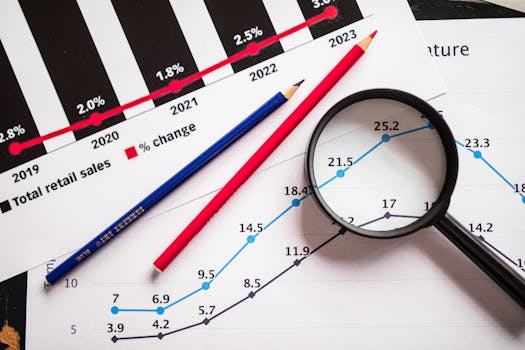 Photo: RDNE Stock project / Pexels
 Photo: Vanessa Garcia / Pexels
 Photo: SHVETS production / Pexels
 Photo: RDNE Stock project / Pexels