How to Get a Free Credit Report Online Easily & Securely
free credit report online

How to Get a Free Credit Report Online Easily & Securely

Unlock your financial insights and safeguard your future with simple steps to access your credit report.

Claim Your Free Report Now

Key Takeaways

  • ✓ You are entitled to one free credit report from each of the three major bureaus annually.
  • ✓ Regularly checking your credit report is crucial for detecting identity theft and errors.
  • ✓ Your credit report contains detailed financial history, not just your score.
  • ✓ Several legitimate sources allow you to get a free credit report online.

How It Works

1
Understand Your Rights

The Fair Credit Reporting Act (FCRA) grants you the right to a free credit report from Equifax, Experian, and TransUnion once every 12 months. This is a federal law designed to protect consumers.

2
Choose a Reputable Source

The only federally authorized website is AnnualCreditReport.com. Be wary of look-alike sites that may try to sell you additional services or collect your personal data.

3
Provide Necessary Information

You'll need to provide personal details such as your name, address, Social Security number, and date of birth. This information is used to verify your identity and ensure you receive your correct report.

4
Review and Dispute

Once you access your report, review it carefully for any inaccuracies, unfamiliar accounts, or signs of fraud. If you find errors, you have the right to dispute them with the credit bureau and the information furnisher.

The Essential Guide to Accessing Your Annual Credit Report

Woman in red shirt examines postage stamps with magnifying glass indoors. Photo: https://kaboompics.com/ / Pexels
Understanding your financial standing begins with knowing what's in your credit report. Many people mistakenly believe their credit report is just a single number, their credit score. In reality, a credit report is a detailed summary of your credit history, including accounts, payment history, public records like bankruptcies, and inquiries. This comprehensive document is used by lenders, landlords, insurance companies, and even some employers to assess your financial reliability. The importance of regularly checking this document cannot be overstated. It's your first line of defense against identity theft and a critical tool for maintaining good financial health. The Fair Credit Reporting Act (FCRA) is a pivotal piece of legislation that empowers consumers by granting them the right to obtain one free credit report from each of the three major credit reporting agencies – Equifax, Experian, and TransUnion – once every 12 months. This provision is not just a courtesy; it's a legal entitlement designed to help you monitor your financial data for accuracy and detect any fraudulent activity promptly. Protecting yourself from identity theft is a significant benefit of this annual check-up. Navigating the landscape of credit reporting can be confusing, especially with numerous commercial websites offering 'free' reports that often come with strings attached, such as trial subscriptions or hidden fees. It's paramount to understand that the only truly free and federally authorized source to get a free credit report online is AnnualCreditReport.com. This website allows you to request reports from all three bureaus simultaneously or individually throughout the year, giving you flexibility. For instance, you could request a report from Experian in January, Equifax in May, and TransUnion in September, effectively monitoring your credit health more frequently without cost. The information contained within these reports is extensive, covering everything from your payment history on credit cards and loans to your current account balances and credit limits. It also lists any collection accounts, public records like bankruptcies, and inquiries made by potential creditors. Each bureau may have slightly different information, as not all creditors report to all three, making it vital to review all three reports. This proactive approach ensures you have a complete picture of your credit profile and can address discrepancies before they negatively impact your financial opportunities.

Decoding Your Credit Report: What to Look For and Why It Matters

Close-up of a professional person reviewing documents outdoors. Engaged in work with focus on writing materials. Photo: Vanessa Garcia / Pexels
Once you successfully get a free credit report online, the next crucial step is to carefully review its contents. This isn't a quick skim; it requires meticulous attention to detail. Your credit report is divided into several key sections, each providing valuable information about your financial past and present. The first section typically covers personal identifying information, including your name, current and past addresses, Social Security number, and date of birth. Ensure all this information is accurate, as even a minor typo could indicate a mix-up with another individual's file or an attempt at identity fraud. The most substantial part of your report is the 'Trade Lines' or 'Account Information' section. Here, you'll find a list of all your credit accounts, including credit cards, mortgages, auto loans, student loans, and personal loans. For each account, verify the creditor's name, account number, account status (open, closed, charged off), payment history, credit limit or original loan amount, current balance, and date opened. Look for any accounts you don't recognize – these could be a red flag for identity theft. Check for late payments that you know you made on time, or payments marked as late when they were not. Even a single late payment can significantly impact your credit score. Another critical section is 'Public Records,' which includes bankruptcies, foreclosures, or tax liens. These entries have a severe and long-lasting negative impact on your credit. If you find any public records that are not yours or are inaccurately reported, you must dispute them immediately. The 'Inquiries' section lists everyone who has accessed your credit report. There are two types: 'hard inquiries' and 'soft inquiries.' Hard inquiries occur when you apply for new credit (e.g., a loan or credit card) and can slightly lower your score for a short period. Too many hard inquiries in a short timeframe can signal to lenders that you are a high-risk borrower. Soft inquiries, on the other hand, occur when you check your own credit, or when a lender pre-approves you for an offer; they do not affect your credit score. Scrutinize all hard inquiries to ensure they correspond to applications you actually made. If you see hard inquiries you don't remember authorizing, it could be another sign of fraudulent activity. Understanding these sections and knowing what constitutes an error empowers you to maintain an accurate and healthy credit profile, which is fundamental for securing favorable terms on future loans, mortgages, and even apartment rentals.

The Power of Dispute: Correcting Errors on Your Free Credit Report Online

Close-up of elegant handwritten calligraphy on paper showcasing fine ink script. Photo: Pixabay / Pexels
Discovering inaccuracies on your credit report can be disheartening, but it's not the end of the world. The Fair Credit Reporting Act (FCRA) provides you with the legal right to dispute any information on your credit report that you believe is inaccurate, incomplete, or unverifiable. This right is a powerful tool in maintaining the integrity of your financial identity. The dispute process is standardized across all three major credit bureaus, though the specific online portals or mailing addresses will differ. When you're ready to dispute an error after you get a free credit report online, the first step is to gather all supporting documentation. This might include bank statements, canceled checks, payment confirmations, court documents, or any other evidence that proves the information on your report is incorrect. The more evidence you provide, the stronger your case will be. There are generally three ways to initiate a dispute: online, by mail, or by phone. Filing online through the credit bureau's website (Equifax, Experian, TransUnion) is often the quickest and most efficient method, as it allows you to upload supporting documents directly and receive updates on your dispute's status. When disputing by mail, send a detailed letter explaining the error, along with copies (never originals) of your supporting documents, via certified mail with a return receipt requested. This provides proof that the credit bureau received your dispute. Regardless of the method, be specific about what information you are disputing and why. The credit bureau is legally obligated to investigate your dispute, usually within 30 days (or 45 days if you provide additional information during that period). During their investigation, they will contact the information furnisher (the company that reported the data, such as a bank or credit card company) to verify the accuracy of the disputed item. If the furnisher cannot verify the information, or if they find it to be inaccurate, the item must be corrected or removed from your credit report. If the investigation concludes that the information is accurate, you have the right to add a brief statement to your credit file explaining your side of the story. This statement will then be included whenever your credit report is accessed. Remember, persistence is key in this process, and promptly addressing errors can significantly improve your credit standing and financial future. For more comprehensive insights into maintaining a healthy financial life, consider exploring resources on financial literacy tips.

Common Pitfalls to Avoid When Trying to Get a Free Credit Report Online
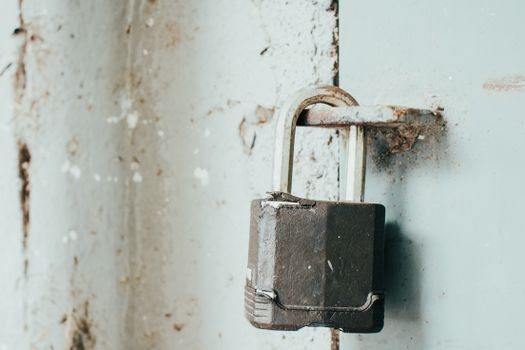
Detailed close-up of a rusty padlock securing a weathered door, highlighting age and texture. Photo: Rulo Davila / Pexels
While the process to get a free credit report online is straightforward, several common pitfalls can trip up even the most diligent consumers. Awareness of these traps is crucial for a smooth and secure experience. One of the most prevalent mistakes is falling for imposter websites. Many sites use names and URLs that sound similar to AnnualCreditReport.com, but they are designed to trick you into signing up for paid services or, worse, to steal your personal information. Always double-check the URL to ensure you are on the official, federally authorized site. Another common error is not checking all three reports. As mentioned earlier, each bureau's report might contain different information, and checking only one means you're only getting a partial view of your credit health. Neglecting to review all three annually leaves you vulnerable to undetected errors or fraudulent accounts. Many individuals also fail to take action after reviewing their reports. Simply looking at your report isn't enough; if you find errors, you must dispute them. Procrastination in this area can lead to prolonged negative impacts on your credit score and financial opportunities. Furthermore, some people might be tempted to apply for 'credit monitoring' services offered by third parties, thinking it's the same as getting a free report. While credit monitoring can be useful, it's a separate service, often paid, and doesn't replace your right to a free annual report. Be cautious about services that bundle a 'free' report with a paid subscription. Finally, avoid sharing your personal information, especially your Social Security number, with unverified sources or through unsecured channels. Always ensure the website you're using is secure (look for 'https://' in the URL and a padlock icon). By being vigilant and informed, you can effectively use your right to a free credit report online without falling prey to scams or making common mistakes.

Comparison

FeatureAnnualCreditReport.comCredit KarmaMyFICO
Free Credit Report✓ (All 3 bureaus, annual)✓ (TransUnion & Equifax, ongoing)✗ (Paid service)
Free Credit Score✗ (Sometimes offered as add-on)✓ (VantageScore)✓ (FICO Score, paid)
Frequency of UpdatesAnnually per bureauDaily/WeeklyMonthly (Paid)
Identity Theft Monitoring✗ (Some bureaus offer paid add-on)✓ (Limited)✓ (Paid)

What Readers Say

"Using AnnualCreditReport.com to get a free credit report online was incredibly straightforward. I found an old collection account that was erroneously reported, and I was able to dispute it quickly. Highly recommend everyone uses this service."

Sarah J. · Austin, TX

"I check my reports every year. This time, I noticed a hard inquiry I didn't authorize. Thanks to getting my free credit report online, I caught a potential fraud attempt early and resolved it before it became a bigger issue."

Mark D. · Miami, FL

"I used the official site to get a free credit report online and discovered a minor error in my address history. Disputing it was simple, and the bureau corrected it within a few weeks. It gave me peace of mind knowing my information is accurate."

Jessica L. · Chicago, IL

"While getting my free credit report online was easy, I wish it came with my credit scores directly. Still, the detailed report itself is invaluable for monitoring my financial health and ensuring no one is using my identity without my knowledge."

David P. · Denver, CO

"As a new homeowner, checking my credit reports is more important than ever. Getting my free credit report online allowed me to confirm all my mortgage details were correctly reported and that my credit profile was clean for future financial plans."

Emily R. · Seattle, WA

Frequently Asked Questions

What is the best way to get a free credit report online?

The most legitimate and secure way to get a free credit report online is through AnnualCreditReport.com. This is the only website authorized by federal law to provide free credit reports from Equifax, Experian, and TransUnion once every 12 months. Be cautious of other sites claiming to offer 'free' reports.

Is it safe to get my free credit report online?

Yes, using AnnualCreditReport.com is safe and secure. The website uses encryption and other security measures to protect your personal information. Always ensure you are on the legitimate site (look for 'https://' and the padlock icon) to avoid phishing scams.

How often can I get a free credit report online?

You are entitled to one free credit report from each of the three major credit bureaus (Equifax, Experian, and TransUnion) every 12 months. This means you can request a total of three free reports per year, one from each bureau.

Does getting a free credit report online affect my credit score?

No, checking your own credit report through AnnualCreditReport.com or other legitimate services is considered a 'soft inquiry' and does not affect your credit score. Only 'hard inquiries' made by lenders when you apply for credit can temporarily impact your score.

What is the difference between a credit report and a credit score?

A credit report is a detailed history of your credit accounts, payment history, and public records, while a credit score is a three-digit number derived from the information in your credit report, representing your creditworthiness. Your free annual reports contain the detailed history, not necessarily the score.

Who should regularly get a free credit report online?

Everyone should regularly get a free credit report online. It's especially crucial for individuals planning major financial steps like buying a home or car, applying for loans, or those concerned about identity theft and financial fraud. Proactive monitoring benefits everyone.

What should I do if I find errors on my credit report?

If you find errors, you have the right to dispute them with both the credit bureau and the information furnisher. Gather supporting documents, and file a dispute online, by mail, or by phone. The bureau must investigate and correct or remove inaccurate information.

Will I still be able to get a free credit report online in the future?

Yes, the right to get a free credit report online annually from each major bureau is mandated by federal law (FCRA). This entitlement is a permanent consumer protection, ensuring you can always access your credit history without cost.

Don't leave your financial health to chance. Take control today and get a free credit report online from each of the three major bureaus. It's a simple yet powerful step towards securing your financial future and protecting against identity theft.

Topics: free credit report onlinecredit score checkannual credit reportidentity theft protectionmonitor credit
Leo List

IE Escorts NO Escorts US Escorts NZ Escorts AU Escorts
Brampton weed
Adultwork EstrelaBet Vai de Bet R7 Bet Betão Galera Bet Rainbet Bet9ja Shop SportyBet BetKing Sisal Loto Foot Hollywoodbets YesPlay Odibets RushBet Jugabet BetWarrior BetCity MSport betPawa Fortebet