✓ Over-processed chicken leads to dry, tough momos.
✓ Incorrect wrapper consistency causes tearing or stiffness.
✓ Under-seasoning is a common culprit for bland momos.
✓ Overfilling or underfilling impacts shape and cooking uniformity.
How It Works
1
Identify Ingredient Pitfalls
Learn to select the right chicken, fresh aromatics, and proper flour for your wrappers. Ingredient quality is the foundation of delicious momos.
2
Master the Filling Blend
Discover the perfect balance of moisture, fat, and seasoning for a flavorful and juicy filling. Avoid common errors like over-processing or under-seasoning the meat.
3
Perfect Your Wrapper Technique
Understand how to achieve pliable, thin wrappers that hold their shape and cook evenly. This includes proper dough preparation and rolling methods.
4
Optimize Cooking Methods
Explore the best steaming and pan-frying techniques to ensure your momos are perfectly cooked through, tender, and not soggy or underdone.
The Foundation: Chicken and Filling Faux Pas
Photo: Aperture Photography / Pexels
Crafting the perfect chicken momo begins long before the steaming basket comes out. The most critical element, arguably, is the chicken itself and how it's prepared for the filling. One of the most prevalent and detrimental errors is using chicken that is too lean or over-processed. Ground chicken, especially the extra-lean varieties, often lacks the necessary fat content to keep the momos juicy and flavorful. When steamed, lean chicken can become dry and crumbly, resulting in a disappointing texture. Instead, opt for chicken thigh meat, which has a higher fat content and remains succulent even after cooking. If using chicken breast, consider adding a small amount of finely minced chicken skin or a touch of oil to the mixture to introduce moisture and richness. The method of mincing also plays a crucial role. Over-processing chicken in a food processor can turn it into a paste-like consistency, stripping it of its natural texture and making it dense and rubbery. Aim for a finely minced, almost crumbly texture, where individual pieces are still discernible. This allows for better absorption of flavors and a more pleasant mouthfeel.
Beyond the chicken itself, the seasoning and balance of the filling are paramount. A common mistake is under-seasoning the mixture. Momos are delicate, and the flavors need to be pronounced enough to stand out without being overwhelming. Many home cooks are hesitant with salt, ginger, garlic, and chilies, fearing an aggressive taste. However, these ingredients are the backbone of a vibrant momo filling. Always taste a tiny cooked portion of your filling before wrapping (you can quickly microwave a small spoonful) to adjust seasoning. Remember that steaming can mellow flavors slightly, so a slightly bolder seasoning in the raw mix is often ideal. Another error is neglecting the balance of aromatics. Too much ginger can be overpowering, while too little leaves the filling flat. Finely chopped onions, spring onions, cilantro, and sometimes cabbage or spinach, contribute not just flavor but also moisture and texture. Ensure these vegetables are finely minced and, if they release a lot of water (like cabbage), gently squeeze out excess moisture before adding to the chicken. This prevents a watery filling that can make wrappers soggy or burst during cooking. Lastly, don't forget a touch of oil (sesame oil, for instance) and a splash of soy sauce. These add depth, umami, and further aid in keeping the filling moist and cohesive. Neglecting these small but impactful additions can lead to a bland, dry, and ultimately forgettable momo experience. For more insights on perfecting your filling, check out our guide on crafting flavorful dumpling fillings.
Another subtle yet significant mistake in filling preparation involves the temperature of your ingredients. Using chicken directly from the refrigerator, combined with cold aromatics, can make the mixing process more challenging and impact the final texture. While you don't want warm chicken, allowing the minced chicken to come to a slightly cooler room temperature for about 15-20 minutes can help it blend more evenly with other ingredients. This also applies to fats you might be adding, such as rendered chicken skin or a touch of butter, which will integrate better when not fully chilled. The goal is a homogenous mixture where all flavors are evenly distributed. A critical aspect often overlooked is the resting period for the filling. Once all ingredients are combined, covering the bowl and refrigerating the filling for at least 30 minutes, or even a few hours, allows the flavors to meld and deepen. This resting also helps the proteins in the chicken relax, contributing to a more tender final product. Skipping this step often results in a filling where individual flavors haven't quite harmonized, leading to a less complex taste profile. Furthermore, the moisture content of the filling is paramount. Too dry, and your momos will be crumbly; too wet, and they risk making the wrappers soggy or bursting. Achieving the right consistency often involves a delicate balance of finely chopped vegetables that release some moisture, combined with the inherent moisture of the chicken and added liquids like soy sauce or a splash of water. If your filling seems too dry, a tablespoon of chicken broth or a little extra oil can often remedy it. Conversely, if it's too wet, adding a tiny bit of cornstarch or even a small amount of breadcrumbs can help absorb excess liquid without significantly altering the flavor. This attention to detail in the initial stages of filling preparation is what truly elevates a good momo to a great one, ensuring each bite is bursting with well-balanced flavor and a delightful texture. Master these points, and you're well on your way to avoiding the most common filling mistakes that plague aspiring momo makers.
Wrapper Woes: Dough Disasters and Shaping Snafus
The wrapper is the delicate envelope that cradles your delicious filling, and its quality is just as crucial as the filling itself. One of the most common mistakes when cooking chicken momos is using pre-made wrappers that are too thick or too dry. While convenient, many store-bought dumpling wrappers are designed for pan-frying or boiling and can become overly chewy or tough when steamed. For authentic, tender momos, the wrapper needs to be thin, pliable, and resilient enough to hold the filling without tearing. Ideally, homemade wrappers are superior, but if you must use store-bought, look for ones specifically labeled for 'steaming' or 'momos,' or choose the thinnest available. If they seem a bit dry, a light misting of water before use can sometimes help.
When making wrappers from scratch, the biggest pitfall is improper dough consistency. Too much flour or not enough water will result in a stiff, unworkable dough that is difficult to roll thinly and prone to cracking. Conversely, too much water makes a sticky, unmanageable dough. The key is to achieve a soft, elastic dough that bounces back when gently pressed. The hydration level of your flour can vary, so always add water gradually, kneading until the dough is smooth and pliable. After kneading, allowing the dough to rest for at least 30 minutes (covered with a damp cloth or plastic wrap) is non-negotiable. This resting period allows the gluten to relax, making the dough much easier to roll thinly without snapping back. Skipping this step is a surefire way to end up with thick, chewy wrappers.
Another significant wrapper mistake is inconsistent rolling. Each wrapper needs to be rolled uniformly thin, with slightly thicker edges and a thinner center. This might seem counterintuitive, but the thicker edges provide the necessary strength for pleating and sealing, while the thin center ensures the wrapper cooks evenly and doesn't overpower the filling. Many beginners roll them too thick all over, leading to a gummy texture, or too thin all over, causing them to tear easily. Practice is key here. Use a small, light rolling pin and work from the center outwards, rotating the dough frequently. Dusting your work surface and rolling pin with just enough flour to prevent sticking, but not so much that it dries out the dough, is also important.
Finally, the shaping process itself presents opportunities for error. Overfilling momos is a classic mistake. While tempting to maximize the filling, too much will make it impossible to seal properly, leading to burst momos during cooking. Conversely, underfilling makes for a sad, deflated momo with too much wrapper-to-filling ratio. Aim for about a tablespoon of filling per wrapper, adjusting based on your wrapper size. The pleating technique also matters. While there are many beautiful ways to pleat, the goal is always a tight, secure seal that traps the juices inside. Loose seals will allow steam to enter, making the momos watery, or allow juices to escape, drying out the filling. Don't worry about perfection initially; focus on creating a tight seal. A common mistake is leaving too much air inside the momo when sealing. Gently press out any excess air as you pleat to prevent the momo from ballooning and potentially bursting. The edges of the wrapper should also be kept slightly moist, either by dipping your finger in water or by using a tiny bit of the filling liquid, to ensure a strong bond. Remember, a well-shaped momo not only looks appealing but also cooks more efficiently and retains its delicious contents. For a deeper dive into dough preparation, explore our article on mastering homemade dumpling wrappers.
Even if you’ve mastered the filling and the wrappers, the cooking process itself can still derail your momo ambitions. The most common cooking catastrophe is overcooking. Steamed momos are delicate, and over-steaming them will result in a dry, rubbery chicken filling and gummy, chewy wrappers. The ideal steaming time for chicken momos typically ranges from 8 to 12 minutes, depending on their size and the thickness of your wrappers. It’s crucial to pay attention and not simply set a timer and walk away. You’ll know they’re done when the wrappers become translucent and slightly puffed, and the filling is cooked through. A good test is to remove one momo, cut it open, and check the internal temperature and texture. If the chicken is still pink, steam for a few more minutes. If it's firm and dry, you've gone too far. Under-steaming, while less common, is equally problematic, leading to raw chicken and a pasty, unpleasant filling. Consistency in size and shape during wrapping helps ensure even cooking for all your momos.
Another significant error is improper setup of your steaming apparatus. Cramming too many momos into the steamer basket is a common mistake. Momos need space to expand and for steam to circulate evenly around them. Overcrowding leads to uneven cooking, and momos sticking to each other, often tearing when you try to separate them. Always arrange momos in a single layer, leaving a small gap between each one. Lightly oiling the bottom of your steamer basket or using parchment paper cut to fit is also essential to prevent sticking. For bamboo steamers, you can also line them with cabbage leaves or banana leaves for added flavor and non-stick properties. Ensure your water in the pot below the steamer is at a rolling boil before adding the momos, and maintain a consistent high heat throughout the steaming process. If the water level drops too low, the steam production will decrease, leading to undercooked momos.
Pan-frying momos, often done after steaming for a crispy bottom, also has its pitfalls. The biggest mistake here is not using enough oil or using oil that isn't hot enough. For a beautifully golden-brown, crispy bottom, you need a thin layer of hot oil. Add the steamed momos to a preheated pan with a tablespoon or two of oil, ensuring they don't overlap. Cook on medium-high heat until the bottoms are nicely browned and crispy, typically 2-4 minutes. Then, a common error is adding too much water when steaming in the pan (if doing a pan-steam-fry method). If you're steaming and then frying in the same pan, add just enough water (about 1/4 cup for a medium pan) to create steam, then quickly cover. Once the water evaporates, add a little oil and fry until crispy. Too much water will make the momos soggy and prevent them from crisping up properly. Removing the lid too early during the steaming phase can also cause the momos to cool down and not cook through evenly.
Finally, serving mistakes can impact the overall experience. Allowing momos to sit for too long after cooking can make them cool and tough. Momos are best enjoyed fresh off the steamer or pan. Also, neglecting the dipping sauce is a grave error! A well-made dipping sauce complements and elevates the momo. A simple blend of soy sauce, vinegar, sesame oil, chili flakes, and a touch of minced garlic or ginger can make all the difference. Don't just rely on plain soy sauce. Experiment with different ratios and ingredients to find your perfect match. Additionally, serving them with a garnish of fresh cilantro or finely chopped spring onions not only adds visual appeal but also a burst of freshness that cuts through the richness. Pay attention to these final details, and your chicken momos will be a triumph from start to finish.
Recipe Refinements: Overcoming Common Momo Challenges
Achieving momo perfection involves refining your technique and addressing common challenges that arise during the cooking process. One frequent issue is momos sticking to the steamer. This often stems from not adequately oiling the steamer basket or using insufficient parchment paper. A light brush of neutral oil (like vegetable or canola) on the steamer surface before placing the momos can prevent this. Alternatively, using non-stick parchment paper cut to fit the steamer, or even cabbage leaves, creates a barrier that ensures easy release without tearing. Another culprit can be the type of wrapper; very thin or overly wet homemade wrappers are more prone to sticking. Ensuring your wrappers are properly dusted with a tiny bit of flour on the outside before steaming can also help. Always handle freshly steamed momos gently with a spatula or tongs, rather than trying to pull them apart, to avoid breakage.
Another challenge is inconsistent texture, where some momos are perfectly tender while others are tough or gummy. This is often a symptom of uneven rolling of the wrappers or inconsistent filling amounts. As discussed, uniform wrapper thickness (thinner in the center, slightly thicker at the edges) and consistent filling portions are vital for even cooking. If some momos are significantly larger or smaller than others, they will require different steaming times, making it difficult to cook a batch perfectly. Try to be as consistent as possible in your shaping; using a small cookie scoop for the filling can help maintain uniformity. Furthermore, ensuring your steamer is properly sealed and maintaining a consistent high heat during steaming prevents fluctuations that can lead to unevenly cooked momos. If steam escapes, the temperature drops, and cooking becomes erratic.
Addressing blandness is a continuous refinement. While we've covered initial seasoning, sometimes even with careful attention, the final product can lack that punch. This could be due to a few factors: using less potent aromatics (e.g., old ginger, garlic), not allowing the filling to rest long enough for flavors to meld, or simply personal preference for a bolder taste. Don't be afraid to experiment with a pinch more white pepper, a dash of light soy sauce, or a tiny bit of MSG (monosodium glutamate) if you're comfortable with it, to boost umami. Fresh herbs like cilantro or spring onions added right before wrapping can also provide a fresh lift. Remember that the dipping sauce plays a crucial role in enhancing the flavor, so perfecting your sauce alongside your momos is key.
List of common refinements to overcome momo challenges:
* **Sticking:** Lightly oil steamer, use parchment paper/cabbage leaves, ensure proper wrapper consistency.
* **Uneven Cooking:** Roll wrappers uniformly, use consistent filling amounts, maintain steady steam heat.
* **Blandness:** Use fresh, potent aromatics; allow filling to rest; adjust seasoning with soy, pepper, or a pinch of MSG; perfect dipping sauce.
* **Tearing Wrappers:** Ensure dough is elastic and rested, don't overfill, moisten edges for a strong seal.
* **Dry Filling:** Use chicken thigh, add a bit of fat/oil, don't over-process chicken, avoid over-steaming.
* **Soggy Momos:** Don't overcrowd steamer, ensure wrappers are thin, avoid adding too much water during pan-steaming, ensure seals are tight.
By systematically addressing these common challenges and continuously refining your technique, you'll move closer to crafting momos that are not just good, but truly exceptional. Each batch you make offers an opportunity to learn and improve, transforming potential mistakes into stepping stones towards culinary mastery.
Comparison
Feature
Best Option (Homemade)
Alternative 1 (Store-Bought)
Alternative 2 (Restaurant)
Flavor Control
Complete customization of seasoning and aromatics.
Limited by pre-mixed ingredients.
Chef's recipe, usually consistent.
Texture of Filling
Juicy, tender, with ideal fat content.
Can be dry or overly processed.
Often very good, but can vary.
Wrapper Quality
Thin, pliable, tender, fresh dough.
Often thick, chewy, or prone to tearing.
Usually very good, optimized for steaming.
Cost Per Momo
Most cost-effective per piece.
Mid-range.
Highest cost per piece.
Time Investment
Significant (2-3 hours for dough, filling, shaping).
Moderate (shaping and cooking).
Minimal (ordering and waiting).
Satisfaction
✓
✗
✓
What Readers Say
★★★★★
"This article was a game-changer! I always wondered why my chicken momos were dry, and it turns out I was using too lean chicken and over-processing it. My last batch was incredibly juicy and flavorful."
Sarah J. · Austin, TX
★★★★★
"Finally, a guide that explains the nuances of wrapper consistency. My homemade momo wrappers used to be thick and gummy, but after reading this, they're perfectly thin and tender. Huge difference!"
David L. · Seattle, WA
★★★★★
"The tip about tasting the filling before wrapping is genius! I used to just hope for the best, but now I can adjust seasonings perfectly. My family devoured the last batch of chicken momos, no complaints about blandness!"
Maria P. · Miami, FL
★★★★★
"Very helpful insights, especially regarding steamer crowding. I've always just packed them in, but giving them space made a noticeable difference in even cooking. Still need to work on my pleating, but the flavor is much better."
Chris R. · Denver, CO
★★★★★
"As someone who usually buys frozen momos, this guide inspired me to try making them from scratch. Avoiding these common mistakes made the process much less intimidating and the results were surprisingly delicious. Thank you!"
Jessica M. · Chicago, IL
Frequently Asked Questions
What's the most common mistake when making chicken momo filling?
The most common mistake is using overly lean chicken or over-processing it, leading to a dry and tough filling. Additionally, under-seasoning the filling is a frequent error that results in bland momos. Always aim for chicken thigh or a mix with some fat, mince it gently, and be bold with your aromatics and spices.
How can I prevent my momo wrappers from tearing or becoming too thick?
To prevent tearing, ensure your dough is well-hydrated and rested for at least 30 minutes to relax the gluten, making it pliable. For thickness, roll each wrapper thinly from the center outwards, aiming for slightly thicker edges to provide strength for pleating. Practice is key to achieving uniform, delicate wrappers.
What's the ideal steaming time for chicken momos?
The ideal steaming time for chicken momos typically ranges from 8 to 12 minutes, depending on their size and wrapper thickness. You'll know they're done when the wrappers become slightly translucent and puffed, and the filling is cooked through. Avoid over-steaming, which can make the chicken dry and the wrappers gummy.
Is it worth making momos from scratch, or should I buy store-bought wrappers?
While store-bought wrappers offer convenience, making momos from scratch, especially the wrappers, often yields superior results in terms of flavor and texture. Homemade wrappers are typically thinner and more pliable, leading to a more authentic and tender momo. If time is a constraint, look for thin, 'steaming'-specific wrappers.
How do homemade momos compare to restaurant momos?
Homemade momos often offer unparalleled freshness and flavor customization, allowing you to control ingredients and seasoning precisely. While restaurants often have perfected techniques and specialized equipment, making momos at home can be incredibly rewarding, often surpassing the quality of average restaurant offerings, especially if you follow best practices and avoid common mistakes.
Who benefits most from avoiding these common momo mistakes?
Anyone who loves momos, from beginner home cooks attempting them for the first time to experienced cooks looking to perfect their technique, will benefit. By understanding and avoiding these common pitfalls, you can consistently produce delicious, juicy, and perfectly textured chicken momos that impress family and friends.
Are there any safety concerns when cooking chicken momos at home?
The primary safety concern is ensuring the chicken filling is cooked thoroughly to prevent foodborne illness. Always check that the internal temperature of the chicken reaches 165°F (74°C). Also, be mindful of cross-contamination between raw chicken and other ingredients or surfaces. Proper hygiene and cooking temperatures are crucial for safe consumption.
What's the future trend for momo preparation in home kitchens?
The trend points towards greater experimentation with filling ingredients and fusion flavors, incorporating diverse spices and vegetables. There's also a growing interest in healthier versions, using leaner meats or more vegetable-centric fillings, while still maintaining traditional techniques for wrapper perfection. Expect more home cooks to embrace making wrappers from scratch for superior quality.
Armed with this comprehensive guide, you're ready to transform your chicken momo cooking from simply good to absolutely extraordinary. By consciously avoiding these common mistakes, you'll unlock the secrets to juicy fillings, tender wrappers, and perfectly cooked dumplings every single time. Don't let past mishaps deter you; embrace the journey to momo mastery and delight your taste buds with your newfound skills!
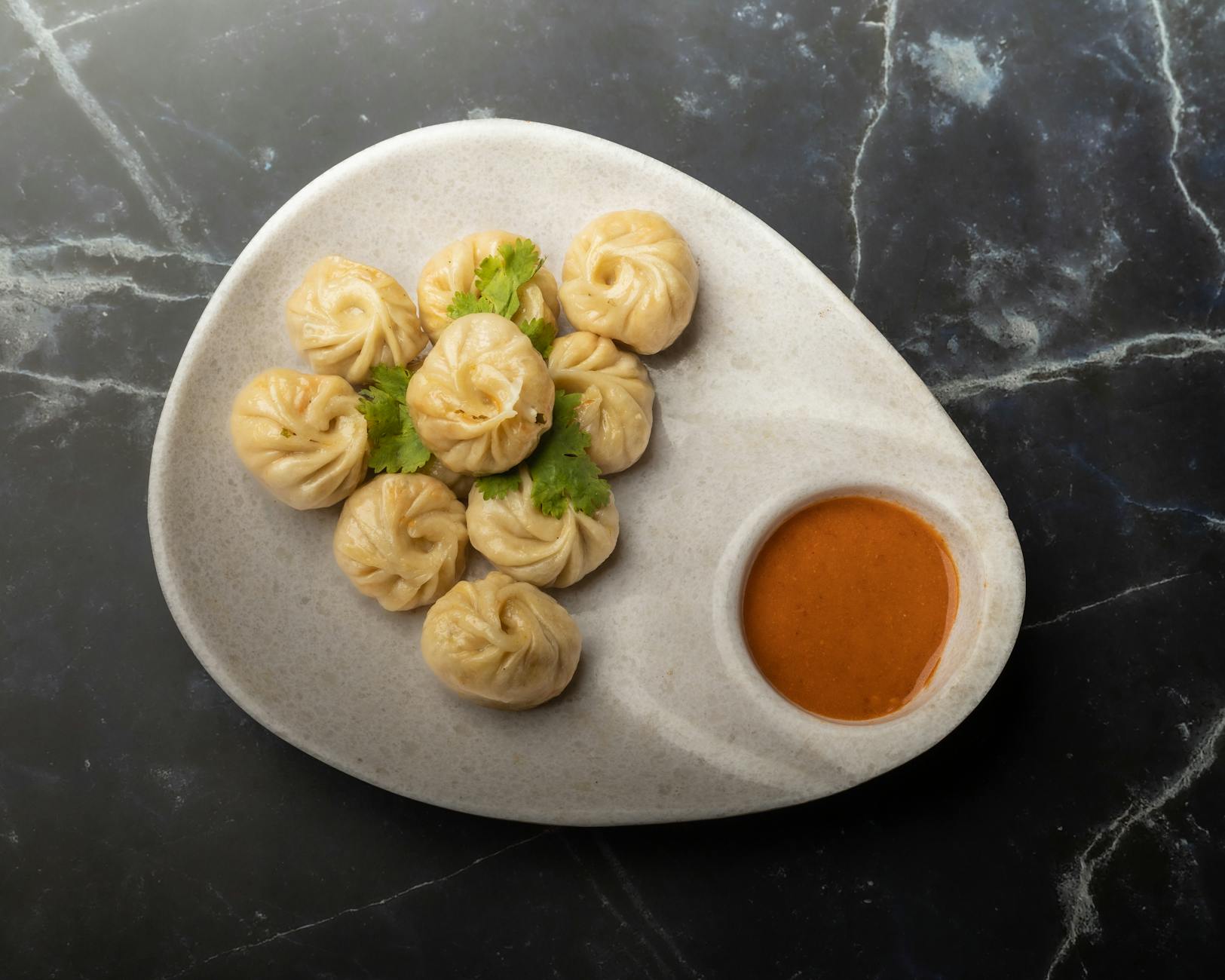
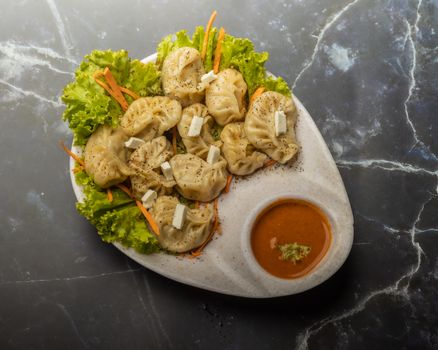 Photo: Aperture Photography / Pexels