Mastering Budgeting Strategies for Single Adults
August 27, 2026 14 min read 2,879 words
Take control of your finances and build a secure future, even on a single income.
Start Your Budget Today
Understanding the Unique Financial Landscape for Singles
 Photo: Tima Miroshnichenko / Pexels
Being a single adult comes with distinct advantages and challenges when it comes to personal finance. On one hand, you have complete autonomy over your financial decisions, without needing to consult a partner or compromise on spending habits. This can lead to faster decision-making and a more direct path to achieving individual financial goals. However, the flip side is that you bear the full weight of all expenses on a single income. There's no one to split rent, utilities, or grocery bills with, and unexpected emergencies can hit harder without a second income stream to fall back on. This makes robust budgeting strategies for single adults not just helpful, but absolutely essential for financial stability and growth. Understanding this landscape is the first step towards building a resilient financial future.
Many single individuals find themselves navigating the housing market alone, which often means higher rent-to-income ratios or a longer savings period for a down payment. Healthcare costs, insurance premiums, and even the cost of social activities can feel disproportionately high when not shared. Moreover, retirement planning often requires more aggressive savings rates for single individuals, as there isn't a spouse's potential income or social security benefits to supplement one's own. It's crucial to acknowledge these realities to craft a budget that genuinely reflects your situation. Ignoring these factors can lead to unrealistic expectations and financial stress. By confronting these unique aspects head-on, single adults can develop a proactive approach to money management, turning potential challenges into opportunities for strategic planning. This proactive stance is what differentiates merely getting by from truly thriving financially. It's about empowering yourself with knowledge and tools to navigate your financial journey confidently. For more general advice on navigating the financial landscape, consider exploring resources on
adult financial planning.
Developing a clear picture of your income and outflow is paramount. This isn't just about tracking where your money goes; it's about understanding your financial habits and identifying areas for improvement. Are you consistently overspending in certain categories? Are there subscriptions you no longer use but still pay for? These small leaks can become significant drains on your single income. A detailed review helps uncover these patterns, providing the data needed to make informed adjustments. This self-awareness is a cornerstone of effective personal finance for single adults. It enables you to make conscious choices that align with your financial goals, rather than passively letting money slip away. Embracing this analytical approach can transform your relationship with money, fostering a sense of control and empowerment that is invaluable for any single individual striving for financial independence. Without this foundational understanding, even the best budgeting tools will only offer limited success. It's the 'why' behind the 'what' of your spending that truly matters.
Crafting Your Personalized Budget: Methods and Tools
 Photo: https://kaboompics.com/ / Pexels
Once you understand your unique financial position, the next critical step in budgeting strategies for single adults is to choose and implement a budgeting method that resonates with your personal style and goals. There isn't a one-size-fits-all solution, and what works for one person might not work for another. The key is finding a system that you can consistently stick with, as consistency is the bedrock of successful budgeting. Let's explore some popular methods and tools.
The 50/30/20 Rule is a fantastic starting point for many. This simple guideline suggests allocating 50% of your after-tax income to Needs (housing, utilities, groceries, transportation), 30% to Wants (dining out, entertainment, hobbies, travel), and 20% to Savings and Debt Repayment. For single adults, this rule offers a clear framework to ensure essential expenses are covered while still allowing for personal enjoyment and future planning. The beauty of this method lies in its flexibility; you can adjust the percentages slightly based on your specific cost of living and financial priorities, but it provides an excellent baseline for managing a single income efficiently.
For those who prefer a more granular approach, the Zero-Based Budgeting method can be incredibly powerful. With this strategy, every dollar of your income is assigned a job – whether it's going towards a bill, savings, or a specific spending category – until your income minus your expenses equals zero. This method requires a bit more effort upfront and ongoing tracking, but it ensures that no money is unaccounted for, maximizing your financial control. It's particularly effective for single adults who want to meticulously plan their spending and accelerate savings or debt repayment. It helps prevent impulse spending by forcing you to pre-plan every dollar's destination.
Another highly effective, albeit more traditional, method is the Envelope System. While often associated with cash, it can be adapted digitally. You allocate a specific amount of money to different spending categories (e.g., groceries, entertainment, personal care) and, once that amount is spent, you stop spending in that category until the next budgeting period. This tangible approach can be very helpful for single adults who struggle with overspending in specific areas, as it creates a clear boundary for discretionary expenses. Whether you use physical envelopes or a digital equivalent, it provides a visual and immediate feedback loop on your spending.
Beyond methods, utilizing the right tools can make all the difference. Budgeting apps like Mint, YNAB (You Need A Budget), or Personal Capital offer various features, from expense tracking and categorization to goal setting and net worth monitoring. These digital tools can automate much of the tedious data entry, providing real-time insights into your financial health. Many also offer features specifically beneficial for single individuals, such as setting up individual financial goals for travel, education, or a home purchase. Spreadsheets (like Google Sheets or Excel) also remain a powerful, customizable option for those who prefer a hands-on approach and want to build their own budgeting system from scratch. The key is to experiment with different methods and tools until you find the combination that empowers you to manage your finances effectively and confidently as a single adult.
Building Financial Resilience: Savings, Debt, and Future Planning
 Photo: Dany Kurniawan / Pexels
For single adults, building financial resilience is paramount. Without a second income to lean on, your financial safety net needs to be robust. This involves a multi-pronged approach focusing on emergency savings, strategic debt management, and proactive future planning. These components are not isolated; they are interconnected pillars supporting your long-term financial stability and freedom. Ignoring any one of them can leave you vulnerable to unexpected life events, which is particularly challenging for individuals managing their finances solo.
First and foremost, establishing a fully funded emergency fund is non-negotiable. Experts typically recommend having 3-6 months' worth of essential living expenses saved in an easily accessible, high-yield savings account. For single adults, leaning towards the higher end of this recommendation, or even beyond, provides an extra layer of security. This fund acts as your personal buffer against job loss, unexpected medical bills, car repairs, or any other unforeseen circumstances that could derail your financial progress. Without it, a single unexpected event could quickly lead to debt or deplete your regular savings. Automating transfers to this fund each payday is one of the most effective ways to build it consistently without conscious effort. Think of it as your financial oxygen mask; you put yours on first before you can help anyone else.
Next, strategic debt management is crucial. High-interest debt, such as credit card balances, can significantly impede your ability to save and build wealth. Prioritizing the repayment of these debts should be a key component of your budgeting strategy. Popular methods like the debt snowball (paying off smallest balances first for psychological wins) or the debt avalanche (paying off highest interest rates first to save money) can be incredibly effective. As a single adult, every dollar you free up from debt payments can be redirected towards savings or investments, accelerating your journey towards financial independence. Consolidating debt or negotiating lower interest rates can also provide significant relief, making your repayment journey more manageable. For more detailed insights on managing debt, especially student loans, you can refer to articles on
managing student loan debt.
Finally, proactive future planning, particularly for retirement, cannot be overstated. Single adults don't have the luxury of combining retirement accounts or relying on a spouse's pension. Therefore, maximizing contributions to retirement vehicles like a 401(k) (especially if your employer offers a match – which is free money!), a Roth IRA, or a Traditional IRA is vital. Even small, consistent contributions over time can grow significantly thanks to the power of compounding. Consider meeting with a financial advisor to create a personalized retirement plan that accounts for your specific goals and risk tolerance. Beyond retirement, think about other future goals: buying a home, further education, or even a long-term travel plan. Setting up separate sinking funds or savings accounts for these specific goals within your budget will keep you motivated and on track. By addressing these three areas comprehensively, single adults can build a robust financial foundation that provides security and opens doors to future opportunities, rather than merely surviving paycheck to paycheck.
Common Budgeting Mistakes for Single Adults and How to Avoid Them
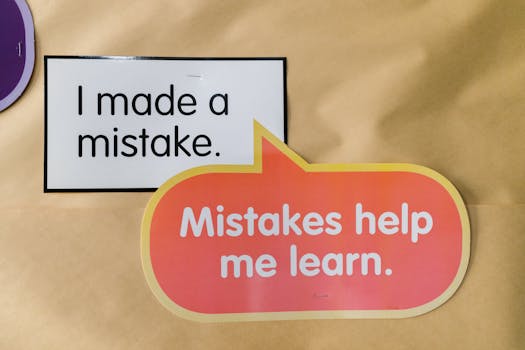 Photo: RDNE Stock project / Pexels
Even with the best intentions, single adults can fall into common budgeting traps that hinder their financial progress. Recognizing these pitfalls is the first step towards avoiding them and maintaining a healthy financial trajectory. Here are some prevalent mistakes and actionable strategies to overcome them:
* **Underestimating Discretionary Spending:** It's easy to track major bills, but small, frequent purchases (daily coffees, impulse buys, takeout meals) can quickly add up. Single adults often face social pressures to spend on entertainment or dining out. **Solution:** Implement a 'no-spend' challenge for a week or month to reset habits. Track every single expense for a few weeks to get an accurate picture of where your money truly goes. Consider allocating a specific 'fun money' budget to prevent overspending without feeling deprived.
* **Ignoring Emergency Fund Importance:** Without a partner's income, a financial emergency can be devastating. Many single adults prioritize debt repayment or other savings over an emergency fund. **Solution:** Make building an emergency fund your top savings priority until you have at least 3-6 months of essential expenses saved. Automate transfers to this fund so it grows without you actively thinking about it.
* **Lack of Long-Term Financial Planning:** Focusing only on immediate needs and wants can lead to neglecting crucial long-term goals like retirement or a down payment for a home. **Solution:** Integrate long-term goals into your monthly budget. Set up separate savings accounts for specific objectives and automate contributions. Even small, consistent contributions can make a huge difference over time due to compounding.
* **Lifestyle Creep:** As your income grows, it's natural to want to enjoy more. However, increasing your spending at the same rate as your income, without increasing savings, is a common pitfall. **Solution:** Practice 'paying yourself first.' When you get a raise, automatically increase your savings or investment contributions before upgrading your lifestyle. Consider the 50/30/20 rule and try to keep your 'wants' percentage stable even as your income rises.
* **Not Reviewing and Adjusting the Budget:** A budget isn't a static document; it's a living tool. Life changes, and so should your budget. **Solution:** Schedule regular budget reviews (monthly or quarterly). Check if your allocations still make sense, identify areas where you're over or under budget, and make necessary adjustments. This ensures your budget remains relevant and effective for your current financial situation.
* **Emotional Spending:** For single adults, emotions can sometimes drive spending, whether it's retail therapy after a tough day or overspending on social outings to combat loneliness. **Solution:** Identify your emotional spending triggers. Before making a non-essential purchase, implement a 24-hour rule to allow time for reflection. Find alternative, non-financial ways to cope with emotions, such as exercise, hobbies, or connecting with friends in low-cost ways.
By being aware of these common mistakes and proactively implementing these solutions, single adults can significantly enhance their budgeting effectiveness and move closer to achieving their financial aspirations.
