Best Smart Home Devices for Seniors: Enhanced Living
best smart home devices for seniors

Best Smart Home Devices for Seniors: Enhanced Living

Empower seniors with technology that provides peace of mind, greater independence, and improved daily comfort.

Explore Smart Solutions

Key Takeaways

  • ✓ Smart home technology can significantly improve safety and security for seniors, reducing risks like falls or unmonitored emergencies.
  • ✓ These devices offer enhanced independence, allowing seniors to manage their environment and daily tasks with greater ease.
  • ✓ Connectivity features provide crucial peace of mind for both seniors and their families, enabling remote monitoring and communication.
  • ✓ The market offers a wide range of devices, from simple voice assistants to sophisticated medical alert systems, catering to diverse needs.

How It Works

1
Assess Needs & Lifestyle

Begin by evaluating the specific needs and daily routines of the senior. Consider areas where assistance or monitoring would be most beneficial, such as mobility, memory, or communication.

2
Choose Compatible Devices

Select smart home devices that integrate well with each other and are user-friendly. Look for systems that can be controlled via voice commands or a simple app interface to minimize complexity.

3
Professional Installation & Setup

While many devices are plug-and-play, professional installation ensures optimal performance and proper configuration. This can also include personalized tutorials for the senior and their caregivers.

4
Ongoing Support & Adaptation

Regularly check device functionality and provide ongoing support as needed. Smart home systems can adapt over time, adding new features or devices as a senior's needs evolve.

Enhancing Safety and Security with Smart Home Technology
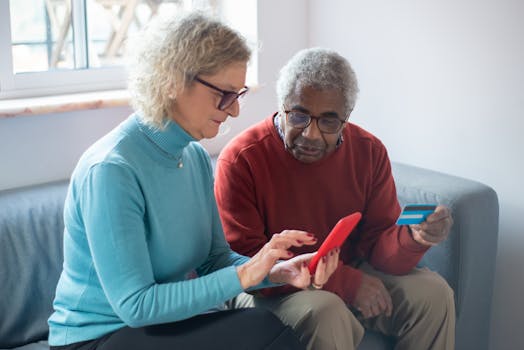
Elderly couple using a smartphone for online shopping, holding a credit card. Photo: Kampus Production / Pexels
For many seniors, the desire to age in place, to remain in the comfort and familiarity of their own homes, is paramount. However, this desire often comes with concerns about safety and security, both for the seniors themselves and for their loving families. This is where smart home technology steps in as a powerful enabler, offering a suite of devices designed to mitigate risks and provide invaluable peace of mind. One of the primary areas where smart home devices excel is in fall prevention and detection. Motion sensors, strategically placed throughout the home, can alert caregivers to unusual inactivity or potential falls. Advanced systems can even differentiate between normal movement patterns and sudden, unexpected changes, triggering an alert when a fall is detected. Smart lighting systems, often integrated with these motion sensors, can automatically illuminate pathways when a senior gets up in the middle of the night, dramatically reducing the risk of trips and falls in dimly lit environments. This proactive approach to safety can make a significant difference in preventing serious injuries. Beyond falls, smart home security systems offer robust protection against intruders and other household emergencies. Smart door locks, for instance, allow family members or authorized caregivers to remotely lock or unlock doors, providing access when needed without the need for physical keys, which can be lost or forgotten. Video doorbells offer a visual layer of security, allowing seniors to see and speak to visitors without opening the door, deterring potential scammers or unwanted guests. In the event of an emergency, such as a fire or carbon monoxide leak, smart smoke and CO detectors can not only sound a local alarm but also send instant notifications to family members or emergency services, ensuring a rapid response even if the senior is unable to react themselves. These integrated systems provide a comprehensive safety net, addressing multiple facets of home security. The ability to monitor these systems remotely via a smartphone app means that family members can stay informed and connected, offering a reassuring presence even from a distance. For more information on securing your home, consider exploring home security systems for seniors. This level of oversight, combined with the immediate alerts, transforms a traditional home into a truly safe and responsive environment tailored to the unique needs of seniors. The initial investment in these technologies is often far outweighed by the benefits of enhanced safety, reduced anxiety, and the preservation of independence.

Promoting Independence and Comfort Through Automation

Elderly couple laughing together, draped in American flag, celebrating July 4th outdoors. Photo: Mike Jones / Pexels
Maintaining independence is a cornerstone of a fulfilling life, especially as individuals age. Smart home devices are revolutionizing how seniors can manage their daily routines and personal environment, empowering them to live more autonomously and comfortably. Voice-activated assistants, such as Amazon Echo or Google Nest, are perhaps the most accessible entry point into this world of automation. These devices allow seniors to control lights, adjust thermostats, play music, set reminders, and even make calls using simple voice commands, eliminating the need to physically interact with switches or complicated interfaces. This is particularly beneficial for those with limited mobility or dexterity issues, transforming everyday tasks that might otherwise be challenging into effortless actions. Imagine a senior being able to turn off all the lights in their home from their armchair with a simple phrase, or asking their device to remind them to take medication at a specific time – these are not just conveniences, but vital tools for independent living. Smart thermostats, like those from Nest or Ecobee, learn household preferences and can automatically adjust temperatures throughout the day, ensuring optimal comfort while also saving energy. Seniors, who can be more sensitive to temperature fluctuations, benefit immensely from a consistently comfortable living space without the need to constantly adjust complex climate controls. Furthermore, these devices can be remotely controlled by family members, allowing them to pre-heat or cool the home before a visit, or to ensure the senior's environment is always at a safe and comfortable temperature. Smart plugs and outlets extend this automation to traditional appliances, allowing seniors or their caregivers to remotely turn off forgotten irons, coffee makers, or other devices, thereby preventing potential hazards and conserving energy. This level of control, whether direct or remote, significantly reduces daily stressors and potential dangers. The integration of these devices creates a seamless, responsive living environment that adapts to the senior's needs, rather than requiring them to adapt to the home. By simplifying daily tasks and offering intelligent control over their surroundings, smart home technology actively supports and prolongs independent living, fostering a sense of capability and self-reliance that is crucial for well-being. It’s about more than just gadgets; it’s about creating an environment where seniors can thrive on their own terms, with the right support system in place.

Simplifying Communication and Health Monitoring for Seniors
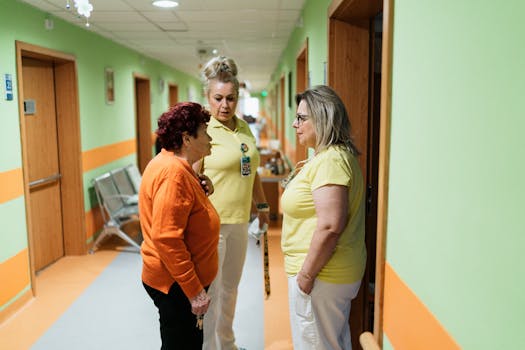
Two nurses interacting with a senior in a brightly colored care facility hallway. Photo: Jsme MILA / Pexels
In an increasingly interconnected world, maintaining robust communication channels and effective health monitoring is vital for seniors and their support networks. Smart home devices offer innovative solutions that bridge geographical distances and provide crucial insights into a senior's well-being, fostering a greater sense of security for everyone involved. Smart displays, such as the Google Nest Hub or Amazon Echo Show, are particularly effective communication tools. These devices combine the voice command capabilities of smart speakers with a visual screen, enabling easy video calls with family and friends. This visual connection can be incredibly important for combating loneliness and ensuring seniors feel connected to their loved ones, especially if mobility makes in-person visits challenging. The large, clear screens and intuitive interfaces make them accessible even for those who might find traditional smartphones or tablets too complex. Beyond video calls, these devices can display family photos, news headlines, weather updates, and even provide guided exercise routines, enriching a senior's daily life with engaging content and practical information. For those interested in broader communication tools, exploring communication devices for seniors can offer additional insights. Health monitoring is another critical area where smart home technology shines. Wearable devices, often integrated with smart home ecosystems, can track vital signs like heart rate, activity levels, and sleep patterns. While not replacements for medical devices, these can provide valuable baseline data and alert caregivers to significant deviations that might warrant attention. Dedicated medical alert systems, some of which integrate with smart home hubs, offer instant access to emergency services with the press of a button, often worn as a pendant or bracelet. These systems can detect falls and automatically call for help, providing a critical safety net for seniors living alone. Smart medication dispensers are also gaining popularity, ensuring that seniors take the right medication at the right time, with reminders and alerts sent to caregivers if a dose is missed. This level of proactive health management significantly reduces the risk of medication errors and ensures timely intervention when needed. The ability for family members to remotely check in, communicate effortlessly, and monitor key health indicators provides immense peace of mind, transforming the concept of care from reactive to proactive. By leveraging these smart solutions, seniors can enjoy a higher quality of life, knowing that support and connection are always within reach.

Choosing the Right Smart Devices: Tips and Common Mistakes to Avoid
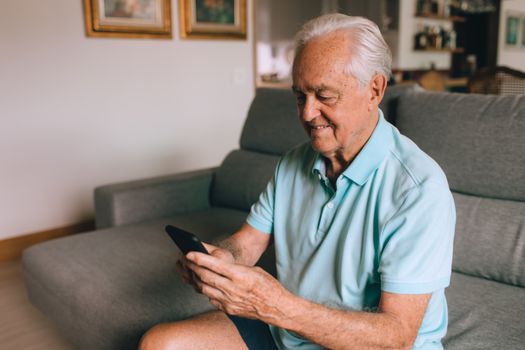
Elderly man in a polo shirt using a smartphone indoors while sitting on a sofa. Photo: Helena Lopes / Pexels
Selecting the best smart home devices for seniors requires thoughtful consideration to ensure they genuinely enhance quality of life rather than adding complexity. Here are some essential tips and common mistakes to avoid: **Tips for Choosing:** * **Prioritize Simplicity:** Opt for devices with intuitive interfaces, clear instructions, and voice control capabilities. The simpler the operation, the more likely the senior will adopt and benefit from the technology. * **Focus on Core Needs:** Identify the most pressing concerns – is it safety, communication, comfort, or health monitoring? Start with devices that address these primary needs first, then expand if desired. * **Ensure Compatibility:** Choose devices that can work together seamlessly, ideally within a single ecosystem (e.g., Apple HomeKit, Google Home, Amazon Alexa) to avoid fragmented control and confusion. * **Consider Installation and Support:** Think about who will install and maintain the devices. Professional installation can be invaluable, as can ongoing technical support from family or a service provider. * **Trial Period:** If possible, purchase devices with a return policy or try out features in a store setting to gauge ease of use before making a full commitment. * **Battery Life & Maintenance:** For portable devices like wearables or sensors, consider battery life and how often they need charging or battery replacement, and who will manage this. **Common Mistakes to Avoid:** * **Overwhelming with Too Many Devices:** Introducing too many new gadgets at once can be confusing and lead to frustration. Start small and gradually introduce new technology. * **Ignoring User Preferences:** Don't force technology on a senior who is resistant or uncomfortable. Involve them in the decision-making process to ensure buy-in and a positive experience. * **Neglecting Privacy Concerns:** Be mindful of data privacy with cameras and listening devices. Ensure seniors understand how their information is being used and that they are comfortable with it. * **Lack of Ongoing Support:** Smart devices, like any technology, can have glitches or require updates. Without someone to troubleshoot or maintain them, they can quickly become unused. * **Choosing Feature-Rich Over User-Friendly:** A device with a multitude of features might seem appealing, but if those features make it harder to use the core functions, it's not the right choice for a senior. * **Underestimating the Learning Curve:** Even simple devices can take time to get used to. Allow for a patient learning period and provide encouragement rather than frustration. By carefully considering these points, families can make informed decisions that truly empower seniors and enhance their quality of life with smart home technology.

Comparison

FeatureBest Option: Voice Assistant Hub (e.g., Echo Show)Alternative 1: Smart Lighting System (e.g., Philips Hue)Alternative 2: Medical Alert System (e.g., Life Alert)Alternative 3: Smart Door Lock (e.g., August Smart Lock)
Primary BenefitCommunication & ControlSafety & ComfortEmergency ResponseSecurity & Access
Ease of Use for SeniorsVery High (Voice/Visual)High (App/Voice/Sensor)High (One-button)Medium (App/Keypad)
Installation ComplexityLow (Plug & Play)Medium (Bulbs/Hub)Low (Plug & Wear)Medium (Hardware swap)
Cost Range (Approx.)$80 - $250$50 - $200+$30 - $70/month subscription$150 - $300
Remote Access for Family✓ (Alerts)
Fall Detection✓ (Select Models)
Voice Control✓ (Via Hub)

What Readers Say

"The Echo Show has been a game-changer for my mother. She loves video calling her grandkids with just her voice, and it reminds her to take her medication. Truly one of the best smart home devices for seniors we've found."

Eleanor V. · Seattle, WA

"Installing smart lights has made a huge difference. My father used to stumble in the dark, but now the lights come on automatically. It's a simple change, but provides so much peace of mind for both of us."

Robert L. · Austin, TX

"My grandmother's medical alert system, integrated with motion sensors, actually detected a fall she had last month. Emergency services were dispatched within minutes. It absolutely saved her from lying there for hours."

Susan P. · Miami, FL

"We've started with a smart thermostat and a video doorbell for my aunt. She's a bit hesitant with new tech, but she's slowly getting the hang of it, especially seeing who's at the door. It's a gradual process, but worth it."

David K. · Denver, CO

"As a caregiver, having smart plugs and a voice assistant to help manage my client's home environment is invaluable. I can remotely check if appliances are off and help them set reminders without being physically present all the time."

Maria G. · Chicago, IL

Frequently Asked Questions

What are the most essential smart home devices for seniors living alone?

For seniors living alone, essential devices often include a voice-activated smart assistant for communication and reminders, smart lighting for fall prevention, and a medical alert system with fall detection. These provide a foundational layer of safety, communication, and immediate emergency response, which are critical for independent living.

Are smart home devices too complicated for seniors to use?

Not necessarily. Many modern smart home devices are designed with user-friendliness in mind, offering voice control, large buttons, and intuitive app interfaces. The key is to choose devices that match the senior's tech comfort level and to provide thorough setup and ongoing support, rather than overwhelming them with too many complex gadgets at once.

How do I set up smart home devices for an elderly parent?

Start by identifying their specific needs and choosing compatible, simple devices. Install them one by one, providing clear, patient instruction and practice. Consider professional installation for more complex systems. Ensure a reliable Wi-Fi connection and that all devices are linked to a central hub or app that you can also monitor for support.

What is the typical cost of setting up a smart home for seniors?

The cost can vary widely depending on the number and type of devices. A basic setup with a voice assistant and a few smart lights might cost $150-$300. More comprehensive systems, including security cameras, smart locks, and medical alert subscriptions, could range from $500 to $1500+, plus ongoing monthly fees for some services.

How do smart home devices compare to traditional emergency alert systems?

Smart home devices offer a broader range of functionalities than traditional emergency alert systems. While both provide emergency contact, smart home devices add layers of convenience, comfort, and proactive safety like automated lighting, remote monitoring, and voice control, integrating emergency features into a holistic living environment.

Which seniors benefit most from smart home technology?

Seniors who benefit most are those looking to maintain their independence, those with mobility challenges, individuals prone to falls, or those with memory concerns. Also, seniors whose families live far away find these devices invaluable for remote monitoring and peace of mind, fostering a safer and more connected living experience.

Are there privacy risks associated with smart home devices for seniors?

Yes, there can be privacy risks, particularly with devices that include cameras or microphones. It's crucial to choose reputable brands with strong security features, understand their data policies, and ensure the senior is comfortable with the presence of such devices. Open communication about data usage and access is key to mitigating concerns.

What future trends can we expect in smart home devices for seniors?

Future trends include more sophisticated AI-driven predictive analytics for health monitoring, greater integration with telehealth services, more personalized and adaptive home environments, and enhanced robotic assistance for daily tasks. We can expect devices to become even more intuitive, proactive, and seamlessly integrated into the care continuum for seniors.

Embrace the future of independent living with the best smart home devices for seniors. Explore these innovative solutions today to enhance safety, comfort, and connectivity, providing peace of mind for both seniors and their families.

Topics: best smart home devices for seniorssenior smart home technologyaging in place technologysmart home safety for elderlyindependent living devices
Leo List
Brampton weed
Adultwork EstrelaBet Vai de Bet R7 Bet Betão Galera Bet Rainbet Bet9ja Shop SportyBet BetKing Sisal Loto Foot Hollywoodbets YesPlay Odibets RushBet Jugabet BetWarrior BetCity MSport betPawa Fortebet