
Unlock Your Future: Best Credit Cards for Bad Credit

Person using a credit card for online shopping on a laptop indoors.Photo: Ron Lach / Pexels

Unlock Your Future: Best Credit Cards for Bad Credit

Start your journey to a stronger financial future today, even with past credit challenges.

Find Your Card Now

Key Takeaways

  • ✓ Secured credit cards are often the best starting point for bad credit.
  • ✓ Regular, on-time payments are crucial for rebuilding credit.
  • ✓ Credit utilization should be kept low (under 30%) for optimal score improvement.
  • ✓ Annual fees and security deposits are common with bad credit cards.

How It Works

1
Understand Your Credit Score

Before applying, get a free copy of your credit report and score. Knowing where you stand helps you choose the right card.

2
Choose the Right Card Type

Decide between secured, unsecured, or credit builder cards based on your financial situation and eligibility. Secured cards are often easiest to get.

3
Apply and Get Approved

Carefully review terms and conditions, especially fees and interest rates. Apply for cards you have a good chance of getting to avoid multiple hard inquiries.

4
Use Responsibly to Rebuild

Make all payments on time and keep your credit utilization low. Consistent responsible use is key to improving your credit score over time.

Navigating the Landscape of Bad Credit Credit Cards

African American man holding envelope emphasizing credit card debt relief options.Photo: RDNE Stock project / Pexels
Having a less-than-perfect credit score can feel like a significant hurdle in the financial world. You might think that obtaining a credit card is out of reach, but that's simply not true. The market offers a range of options specifically designed for individuals looking to rebuild their credit. The key is understanding these options and choosing the one that best aligns with your financial goals and current situation. This guide will delve deep into the world of credit cards for bad credit, helping you distinguish between secured and unsecured options, understand their benefits and drawbacks, and ultimately make an informed decision. Many people find themselves with bad credit due to various life events – job loss, medical emergencies, or simply a lack of financial literacy early on. It's not a permanent sentence, but rather a temporary challenge that can be overcome with strategic financial planning and responsible behavior. The right credit card can be a powerful tool in this journey, acting as a stepping stone towards better financial health. It's not just about getting approved; it's about using the card wisely to demonstrate creditworthiness to lenders. This means understanding interest rates, annual fees, and how your payment history impacts your score. We'll explore how these cards function as credit-building tools, helping you to not only get approved but also to effectively improve your credit score over time. Remember, consistency and discipline are your best allies when embarking on this path to financial recovery. Understanding your credit report is the first critical step.

Secured Credit Cards: Your Foundation for Credit Rebuilding
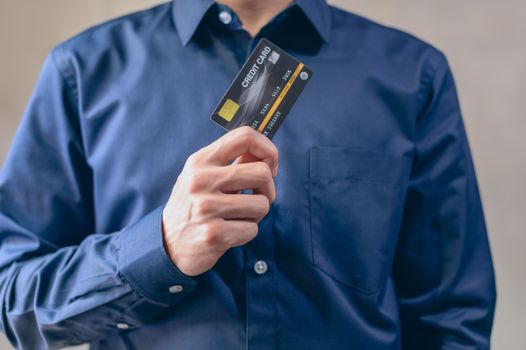
Close-up of a man in a blue shirt holding a credit card, symbolizing finance and security.Photo: Aukid phumsirichat / Pexels
For many with bad credit, secured credit cards are the most accessible and effective starting point. Unlike traditional unsecured cards, secured cards require a cash deposit, which typically becomes your credit limit. This deposit acts as collateral, significantly reducing the risk for the issuer and making approval much easier, even for those with very poor credit. The beauty of a secured card lies in its simplicity and its purpose: to help you build a positive payment history. When you use a secured card, your activity is reported to the major credit bureaus, just like an unsecured card. Consistent on-time payments and keeping your credit utilization low (ideally below 30% of your limit) will gradually improve your credit score. It's important to view the security deposit not as a fee, but as a refundable pledge. As you demonstrate responsible credit behavior, some issuers may even offer to convert your secured card into an unsecured one, returning your deposit. When choosing a secured card, look beyond just the approval rate. Consider factors like annual fees, which can eat into your credit-building efforts, and whether the card reports to all three major credit bureaus (Experian, Equifax, and TransUnion). Some secured cards even offer rewards, though these are typically modest. The primary goal here is credit building, so prioritize cards with low fees and strong reporting practices. Be wary of cards with excessively high annual fees or maintenance fees that can diminish the value of your credit-building efforts. Researching different options and comparing their terms is crucial to finding the best fit for your situation.

For more options, check out rental car.

Unsecured Options and Credit Builder Loans for Bad Credit

Hands writing on a consumer loan credit application form on a wooden table.Photo: RDNE Stock project / Pexels
While secured cards are a common entry point, there are also unsecured credit card options available for individuals with bad credit, though they often come with higher interest rates and potentially higher fees. These cards don't require a security deposit, but approval criteria are stricter, and credit limits are typically low. Issuers offering unsecured cards to those with bad credit take on more risk, which is reflected in their terms. It's essential to scrutinize the annual fees, monthly maintenance fees, and interest rates on these cards, as they can quickly become expensive if not managed carefully. The goal is to use them responsibly to build credit, not to accumulate debt. Another valuable tool in your credit-rebuilding arsenal is a credit builder loan. This isn't a traditional loan where you receive money upfront. Instead, the loan amount is held in a locked savings account, and you make regular payments over a set period. Once the loan is fully paid, you receive the money. The lender reports your on-time payments to credit bureaus, helping to establish a positive payment history. Credit builder loans are excellent for diversifying your credit mix, which can also positively impact your score. They don't provide immediate access to funds for spending, but they offer a structured way to prove your reliability as a borrower. Combining a credit builder loan with a secured credit card can accelerate your credit improvement journey, providing two distinct avenues for demonstrating responsible financial behavior. Exploring credit builder loans can offer a unique pathway to a better score.

Strategic Tips for Rebuilding Credit and Avoiding Pitfalls

Elderly couple handling credit card transaction on smartphone indoors.Photo: SHVETS production / Pexels
Successfully rebuilding your credit requires more than just getting approved for a card; it demands a strategic approach to managing your new credit. Here are crucial tips to maximize your credit-building efforts and avoid common pitfalls: * **Pay on Time, Every Time:** This is the single most important factor in your credit score. Set up automatic payments or calendar reminders to ensure you never miss a due date. Even a single late payment can significantly damage your progress. * **Keep Utilization Low:** Aim to use no more than 30% of your available credit limit, but ideally, keep it below 10%. For example, if your credit limit is $300, try not to carry a balance over $90. High utilization signals to lenders that you might be over-reliant on credit. * **Monitor Your Credit Report:** Regularly check your credit reports from all three major bureaus for errors. You're entitled to a free report from each bureau annually at AnnualCreditReport.com. Disputing inaccuracies can quickly boost your score. * **Be Patient and Consistent:** Rebuilding credit is a marathon, not a sprint. It takes time, typically 6-12 months of consistent positive behavior, to see significant improvements. Don't get discouraged by slow progress. * **Avoid Opening Too Many Accounts:** Applying for multiple credit cards in a short period can lead to several hard inquiries on your credit report, which can temporarily lower your score. Apply only for cards you genuinely need and are likely to get approved for. * **Understand Fees and Interest Rates:** Credit cards for bad credit often come with higher fees (annual, monthly maintenance) and interest rates. Minimize costs by paying your balance in full each month to avoid interest charges. If you can't pay in full, pay as much as you can above the minimum. **Common Pitfalls to Avoid:** * **Only Paying the Minimum:** While it prevents late fees, only paying the minimum can lead to high interest charges and a slow reduction of your principal balance. * **Closing Old Accounts:** Even if you don't use them, old accounts with a good payment history contribute to your credit age, which is a positive factor. Keep them open if they don't have annual fees. * **Using Credit as an Emergency Fund:** Credit cards should complement, not replace, an emergency savings fund. Relying on credit for unexpected expenses can quickly lead to debt. By diligently following these strategies, you'll be well on your way to a healthier credit score and greater financial opportunities.

Comparison

FeatureDiscover it® Secured Credit CardCapital One Platinum Secured CardOpenSky® Secured Visa® Credit Card
Security Deposit RequiredYesYesYes
Reports to All 3 Bureaus
Annual Fee$0$0$35
Credit Limit Range$200 - $2,500$200 - $1,000$200 - $3,000
Cash Back Rewards2% at Gas Stations/Restaurants, 1% on all other purchases
Upgrade PotentialYes, to unsecuredYes, to unsecuredLimited (stays secured)

What Our Readers Say

5 ★★★★★

"The Discover it® Secured card was a game-changer for me. I had really bad credit after a divorce, and this card helped me start rebuilding. The $0 annual fee and cash back rewards were a huge bonus while I worked on my score."

5 ★★★★★

"I used the Capital One Platinum Secured card for about a year and a half. I made all my payments on time, and they eventually upgraded me to an unsecured card and returned my deposit. It's a solid choice for rebuilding."

5 ★★★★★

"After struggling to get approved anywhere, the OpenSky Secured Visa was a lifesaver. No credit check made it easy to get. My credit score went up 80 points in six months just by using it responsibly. Highly recommend for those with truly bad credit."

4 ★★★★☆

"The Discover it® Secured card has been good, but the initial credit limit was a bit low for my needs. Still, it's helping me improve my credit, and the rewards are a nice perk you don't always get with secured cards."

5 ★★★★★

"I combined a credit builder loan with a secured card, and it worked wonders. My credit score has improved dramatically, allowing me to finally qualify for a car loan at a reasonable interest rate. These tools truly work if you use them right."

Frequently Asked Questions

What is the fastest way to improve bad credit with a credit card?
The fastest way is through consistent, responsible use: make all payments on time, every time, and keep your credit utilization below 10-30% of your credit limit. Combining a secured credit card with a credit builder loan can also accelerate the process.
Will applying for a credit card hurt my already bad credit?
A 'hard inquiry' from a credit card application will temporarily lower your score by a few points. However, if approved and used responsibly, the positive payment history will quickly outweigh this small dip. Only apply for cards you're likely to get approved for.
How long does it take to rebuild credit with a secured credit card?
Significant improvement typically takes 6-12 months of consistent, positive credit behavior. Your score will gradually increase as more on-time payments are reported and your credit age grows.
Are annual fees worth it for a bad credit credit card?
Ideally, look for cards with no annual fee. If a card charges an annual fee, ensure the benefits (like reporting to all bureaus, potential for upgrade) outweigh the cost, and that you can afford it. High fees can negate credit-building efforts.
Should I choose a secured card or a credit builder loan for bad credit?
Both are excellent tools. A secured card helps you build credit history with revolving credit, while a credit builder loan helps with installment loan history. Using both can provide a more diverse and robust credit profile, accelerating improvement.
Who should use best credit cards for bad credit?
Anyone with a FICO score generally below 600-620, or those with limited credit history, bankruptcies, or defaults who are committed to rebuilding their financial standing through responsible credit management.
Are there any risks associated with credit cards for bad credit?
The primary risks are high interest rates and fees if not managed properly, leading to increased debt. Also, missing payments can further damage your credit score. Always use these cards responsibly and within your means.
What's the next step after improving my credit with a bad credit card?
Once your score improves, you can look into graduating to an unsecured card with better terms, higher limits, and potentially more rewards. You might also qualify for better rates on loans like auto loans or mortgages.

Don't let bad credit hold you back any longer. Explore the best credit cards for bad credit today and take the definitive step towards a brighter financial future. Your journey to credit recovery starts now!

Topics: best credit cards for bad creditsecured credit cardscredit builder loansimprove credit scoreunsecured credit cards bad credit
Leo List