✓ Secured credit cards are often the easiest to get with bad credit, requiring a deposit.
✓ Using a credit card responsibly is crucial for rebuilding credit.
✓ Annual fees, interest rates, and credit limits vary significantly among cards for bad credit.
✓ Regularly checking your credit report helps monitor progress and identify errors.
How It Works
1
Assess Your Credit Situation
Obtain your free credit report from AnnualCreditReport.com to understand your current score and identify any negative items. This step is vital to choosing the right card.
2
Choose the Right Card Type
Decide between secured, unsecured (if eligible), or credit-builder cards based on your credit profile and ability to provide a security deposit. Each type serves a slightly different purpose in credit repair.
3
Apply and Get Approved
Carefully review the terms and conditions before applying to ensure the card aligns with your financial goals. Multiple applications in a short period can further harm your credit.
4
Use Responsibly to Build Credit
Make small purchases you can afford to pay off in full and on time every month. Keep your credit utilization low (below 30%) and avoid late payments to consistently improve your credit score.
Understanding Bad Credit and Its Impact on Your Finances
Photo: Liza Summer / Pexels
Having bad credit, typically defined as a FICO score below 580, can feel like a significant hurdle in your financial journey. It's a reflection of past financial missteps, such as late payments, defaults, bankruptcies, or high debt utilization. While a low credit score doesn't define your future, it can certainly complicate your present, making it difficult to secure loans, mortgages, or even rent an apartment. Lenders view individuals with bad credit as higher risk, often leading to denials or offers with exorbitant interest rates and fees. This cycle can be frustrating, but it's not an insurmountable obstacle. The first step to overcoming bad credit is to understand its origins and its far-reaching implications. It's not just about getting a loan; it impacts everything from insurance premiums to utility deposits and even employment opportunities in some sectors. The good news is that credit scores are dynamic. They can be improved through consistent, responsible financial behavior. This involves more than just paying bills on time; it requires a strategic approach to managing debt and credit. Many people assume that with bad credit, they're locked out of the credit card market entirely. This is a common misconception. While traditional, unsecured credit cards with premium rewards might be out of reach initially, there are specialized financial products designed specifically for individuals looking to rebuild their credit. These products act as stepping stones, allowing you to demonstrate creditworthiness over time. The key is to choose the right tools and use them wisely. This article will guide you through the various options available, emphasizing the importance of understanding the terms and conditions of each card. We'll delve into secured credit cards, which are often the most accessible entry point, and explore other alternatives that can help you on your path to financial recovery. Remember, building good credit is a marathon, not a sprint. It requires patience, discipline, and a commitment to responsible financial habits. By taking proactive steps today, you can gradually transform your credit profile and unlock better financial opportunities in the future. Don't let bad credit hold you back; empower yourself with knowledge and take control of your financial destiny. Understanding your credit report is the first critical step.
Secured Credit Cards: Your Best Bet for Rebuilding Credit
Photo: Towfiqu barbhuiya / Pexels
For many individuals with bad credit, secured credit cards represent the most practical and effective solution for credit rebuilding. Unlike traditional unsecured credit cards, a secured card requires a cash deposit, which typically serves as your credit limit. For example, if you deposit $200, your credit limit will be $200. This deposit acts as collateral for the issuer, significantly reducing their risk and making it easier for them to approve applicants with poor credit histories. The beauty of secured credit cards lies in their ability to report your payment activity to the major credit bureaus (Equifax, Experian, and TransUnion). This is the mechanism through which you rebuild your credit score. Every on-time payment, every responsible use of your credit line, is a positive mark on your credit report, gradually improving your score over time. When choosing a secured credit card, it's crucial to look beyond just the approval rate. Consider factors like the annual fee – some cards have none, while others charge a modest fee. Also, check if the card offers a path to becoming an unsecured card in the future, which means you'd get your deposit back and transition to a regular credit card. This feature is a strong indicator of a card issuer's commitment to helping you graduate to better credit products. Another important aspect to scrutinize is the interest rate. While your primary goal should be to pay off your balance in full every month to avoid interest charges altogether, life happens. A lower interest rate can save you money if you occasionally carry a balance. Be wary of cards with extremely high APRs, even if they seem easy to get. The process of using a secured card is straightforward: make purchases, pay your bill on time and in full, and keep your credit utilization low (ideally below 30% of your credit limit). For instance, if your limit is $200, try not to charge more than $60-$70 at any given time. Consistent, responsible use will demonstrate to lenders that you can manage credit effectively, paving the way for better financial products and opportunities down the line. Remember, the deposit is usually refundable when you close the account in good standing or when the card graduates to an unsecured product. This makes secured cards a low-risk way to re-enter the credit market and begin your journey toward a healthier financial future. They are not a permanent solution but a powerful stepping stone.
Alternative Options: Unsecured and Credit-Builder Cards for Struggling Credit
Photo: BOOM 💥 Photography / Pexels
While secured credit cards are often the go-to for bad credit, there are a few other avenues to explore, depending on the severity of your credit issues and your specific financial situation. Unsecured credit cards for bad credit do exist, though they are generally harder to qualify for and come with higher annual fees and interest rates. These cards don't require a security deposit, making them appealing, but the approval criteria are still stricter than for secured cards. Lenders offering these products take on more risk, which they mitigate through higher costs to the consumer. If you do qualify for an unsecured card with bad credit, it's imperative to manage it with extreme diligence. Late payments or high utilization on these cards can quickly escalate debt due to their high APRs, potentially worsening your credit situation. Always prioritize paying the full balance every month to avoid interest charges. Look for cards that offer a path to a lower annual fee or better terms after a period of responsible use. Another innovative option is a credit-builder loan or card. These products are specifically designed to help individuals establish or re-establish credit without necessarily needing a traditional credit card. A credit-builder loan, for instance, works by having you make regular payments into a locked savings account. Once the loan is fully repaid, you receive the money, and your payment history is reported to the credit bureaus. It's essentially a forced savings plan that builds credit. Some companies also offer credit-builder cards that function similarly, sometimes requiring a small upfront fee but not a large security deposit. These services report your payments to the credit bureaus, helping to build a positive payment history. When considering these alternatives, always compare the fees, interest rates, and reporting practices. Ensure that the provider reports to all three major credit bureaus to maximize the impact on your score. Be wary of any offer that sounds too good to be true, especially those that promise instant credit repair without any effort on your part. Legitimate credit-building products require consistent, responsible engagement. Finally, consider authorized user status. If a trusted friend or family member with excellent credit is willing to add you as an authorized user to one of their credit cards, their positive payment history could potentially reflect on your credit report. This can be a quick boost, but it's crucial that the primary cardholder maintains their good habits, as their missteps could also affect your report. This approach requires trust and open communication. Exploring credit-builder loans can offer a unique path to improving your score without traditional credit card risks.
Essential Tips for Maximizing Credit Score Improvement with Your New Card
Photo: RDNE Stock project / Pexels
Acquiring a credit card when you have bad credit is just the first step; the real work begins with how you use it. Maximizing your credit score improvement requires disciplined and strategic usage. Here are essential tips to help you turn your new card into a powerful tool for financial recovery:
* **Pay On Time, Every Time:** This is, without a doubt, the most critical factor in your credit score. Payment history accounts for 35% of your FICO score. Even a single late payment can set back your progress significantly. Set up automatic payments or calendar reminders to ensure you never miss a due date. Even paying the minimum on time is better than paying late, though paying in full is always the goal.
* **Keep Your Credit Utilization Low:** Your credit utilization ratio (CUR) is the amount of credit you're using compared to your total available credit. It makes up 30% of your FICO score. Aim to keep your CUR below 30%, but ideally, strive for under 10%. For a card with a $200 limit, this means keeping your balance under $60 or $20, respectively. Lower utilization signals to lenders that you are not over-reliant on credit. If possible, make multiple smaller payments throughout the month to keep your reported balance low.
* **Pay Your Balance in Full:** While keeping utilization low is important, paying your balance in full every month is paramount. This strategy not only prevents you from accruing interest charges, which can be very high on bad credit cards, but also demonstrates excellent credit management. It shows you can handle credit responsibly and don't rely on it to finance purchases you can't afford.
* **Avoid Closing Old Accounts:** The length of your credit history contributes 15% to your FICO score. Older accounts, especially those with a positive payment history, can help your score. Even if you don't use an old card often, keeping it open (as long as it doesn't have an annual fee you can't justify) can be beneficial. Closing an old account, especially one with a high limit, can also negatively impact your credit utilization ratio by reducing your total available credit.
* **Monitor Your Credit Report Regularly:** You're entitled to a free credit report from each of the three major bureaus (Equifax, Experian, TransUnion) once every 12 months via AnnualCreditReport.com. Regularly review these reports for errors, fraudulent activity, or outdated information. Disputing inaccuracies can quickly boost your score. Many credit card companies also offer free credit score tracking as a perk.
* **Be Patient and Consistent:** Building good credit takes time. There are no quick fixes. Consistency in your responsible habits is key. Expect to see gradual improvements over several months or even a year or two. Stay committed to your plan, and you will see results. Remember, your credit score is a dynamic number that reflects your ongoing financial behavior.
Comparison
Feature
Discover it® Secured Credit Card
OpenSky® Secured Visa® Credit Card
Capital One Platinum Secured Credit Card
Annual Fee
$0
$35
$0-$99 (variable)
Security Deposit
$200-$2,500
$200-$3,000
$49, $99, or $200
Reports to All 3 Bureaus
✓
✓
✓
Path to Unsecured
✓ (after 7 months)
✗
✓ (after 6 months)
Rewards
2% cash back at Gas Stations & Restaurants (on up to $1,000 in combined purchases each quarter), 1% on all other purchases
✗
✗
What Readers Say
★★★★★
"The Discover it Secured card was a game-changer for me. I had really bad credit after a tough few years, but with this card, I was able to start rebuilding. The cash back was a nice bonus too!"
Sarah J. · Dallas, TX
★★★★★
"OpenSky was super easy to get approved for, even with my low credit score. It's been great for making small purchases and paying them off immediately, which has really helped my credit climb."
Mark L. · Phoenix, AZ
★★★★★
"After only 8 months of using my Capital One Platinum Secured card responsibly, they graduated me to an unsecured card and returned my deposit! My score jumped 50 points, which was amazing."
Jessica R. · Chicago, IL
★★★★★
"I chose a secured card with an annual fee because I needed a guaranteed approval. While I wish it was free, the consistent reporting to the credit bureaus has been invaluable for getting my credit back on track."
David P. · Miami, FL
★★★★★
"For someone who felt hopeless about their credit, finding the best credit cards for bad credit options like these was a lifesaver. I'm now seeing real progress towards better financial health."
Emily K. · Denver, CO
Frequently Asked Questions
What is the fastest way to improve my credit score with a bad credit card?
The fastest way to improve your credit score with a bad credit card is to consistently pay your bills on time and in full every month, keeping your credit utilization below 10%. This demonstrates responsible credit behavior to the credit bureaus, leading to a quicker improvement in your score.
Will applying for a credit card for bad credit hurt my score further?
Applying for a new credit card typically results in a 'hard inquiry' on your credit report, which can temporarily lower your score by a few points for a short period. However, the long-term benefit of establishing a positive payment history with a new card generally outweighs this minor, temporary dip, especially if you get approved and use the card responsibly.
How do secured credit cards work?
Secured credit cards require an upfront cash deposit, which acts as collateral and typically becomes your credit limit. You use the card like any other credit card, making purchases and paying your bill. Your payment activity is reported to credit bureaus, and if you manage the card responsibly, your credit score will improve. The deposit is usually refundable when you close the account or upgrade to an unsecured card.
Are there any credit cards for bad credit with no annual fee?
Yes, there are several secured credit cards designed for individuals with bad credit that do not charge an annual fee. The Discover it® Secured Credit Card and the Capital One Platinum Secured Credit Card (for some applicants) are examples of such cards, offering an opportunity to rebuild credit without an extra yearly cost.
What's the difference between a secured and unsecured credit card for bad credit?
The main difference is the security deposit. A secured credit card requires a deposit, which acts as collateral and your credit limit, making it easier to get approved with bad credit. An unsecured credit card for bad credit does not require a deposit but typically has higher interest rates and annual fees, and is harder to qualify for.
Who should use credit cards for bad credit?
Credit cards for bad credit are ideal for individuals who have a low credit score (typically below 580 FICO), a limited credit history, or those looking to rebuild their credit after bankruptcy or other financial difficulties. They provide a structured way to demonstrate creditworthiness and improve financial health.
Are credit-builder loans safer than secured credit cards for bad credit?
Credit-builder loans can be considered a 'safer' option in some respects as they don't involve direct spending or the risk of accumulating high-interest debt like credit cards. They essentially create a forced savings account that reports payments to credit bureaus. Both, however, are effective tools when used responsibly.
What's the future outlook for credit products for individuals with poor credit?
The trend is towards more accessible and transparent credit-building products, leveraging technology and alternative data points for underwriting. We can expect to see more innovative secured cards, credit-builder loans, and fintech solutions that focus on financial inclusion and education, making credit repair more achievable for a wider population.
Don't let bad credit hold you back any longer. By understanding your options and committing to responsible financial habits, you can effectively rebuild your credit score. Explore the best credit cards for bad credit today and take the definitive step towards a healthier financial future.
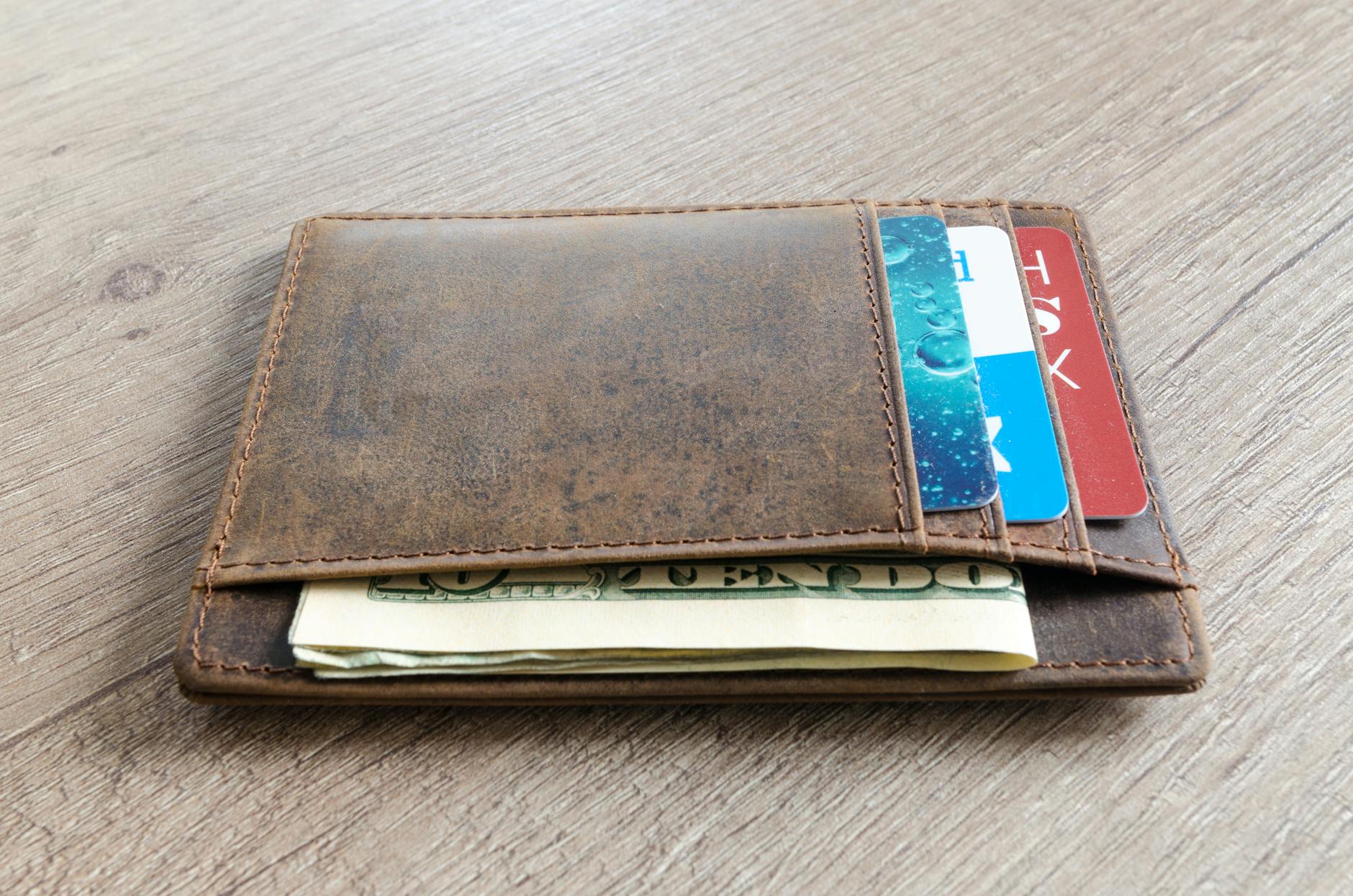
 Photo: Liza Summer / Pexels
 Photo: Towfiqu barbhuiya / Pexels
 Photo: BOOM 💥 Photography / Pexels
 Photo: RDNE Stock project / Pexels