✓ Secured credit cards are often the easiest to get with bad credit.
✓ Many cards for bad credit require a security deposit.
✓ Responsible use can significantly improve your credit score within 6-12 months.
✓ Annual fees are common with credit cards for bad credit, but some offer options to avoid them.
How It Works
1
Assess Your Current Credit Situation
Obtain your credit report and score from all three major bureaus. Understanding your current standing is the crucial first step to finding suitable card options.
2
Identify Suitable Card Types
Determine whether a secured card, an unsecured card for bad credit, or a credit builder loan is the best fit for your specific needs and financial capacity. Each has distinct advantages and requirements.
3
Apply for the Right Card
Choose a card that aligns with your financial goals and offers features that aid credit building. Be mindful of fees, interest rates, and reporting practices to credit bureaus.
4
Practice Responsible Credit Habits
Use your new card wisely by making small purchases and paying them off in full and on time every month. This consistent positive behavior is key to improving your credit score.
Understanding Bad Credit and Its Impact on Your Finances
Photo: Nicola Barts / Pexels
Having bad credit, often defined as a FICO score below 580, can feel like a financial straitjacket. It’s not just about being denied a credit card; it impacts virtually every aspect of your financial life. From securing a loan for a car or a home to renting an apartment, and even influencing insurance premiums or utility deposits, a low credit score can significantly limit your options and increase your costs. The good news is that bad credit is not a life sentence. It’s a temporary state that, with the right strategies and tools, can be improved over time. Your credit score is a dynamic number, constantly evolving based on your financial behavior. Understanding what contributes to a low score—such as missed payments, high credit utilization, collections, or bankruptcies—is the first step toward rectifying it. The primary goal when you have bad credit is to demonstrate to lenders that you are a responsible borrower, capable of managing credit effectively. This demonstration is largely achieved through consistent, positive credit activity, which is precisely what the best credit cards for bad credit in 2024 are designed to help you establish. These cards aren't just about making purchases; they are powerful tools for financial rehabilitation. They offer a tangible way to begin building a positive payment history, which is the most influential factor in your credit score. Many people get stuck in a negative cycle: they can't get approved for credit because their score is low, and their score stays low because they can't get approved for credit to build it. This is where specialized credit cards come into play, breaking that cycle and providing an accessible entry point back into the credit system. The journey to a better credit score requires patience and discipline, but the rewards are substantial. A higher credit score opens doors to lower interest rates, better loan terms, more favorable rental agreements, and increased financial flexibility. It’s an investment in your future self, paving the way for greater financial stability and opportunity. This guide will delve into the nuances of these credit-building products, helping you discern which options are genuinely beneficial and which might lead to further financial strain. We'll explore the different types of cards available, their typical fees, and how to use them strategically to maximize your credit-building efforts. Remember, every successful financial journey begins with a single, informed step, and for many, that step is securing the right credit card for their current situation. Learn more about credit score factors and how they impact your financial health.
Top Secured Credit Cards for Rebuilding Your Credit in 2024
Photo: Aukid phumsirichat / Pexels
Secured credit cards are often hailed as the easiest and most effective way to start rebuilding bad credit. Unlike traditional unsecured credit cards, a secured card requires a security deposit, which typically becomes your credit limit. For example, if you deposit $200, your credit limit will be $200. This deposit minimizes the risk for the issuer, making them more willing to approve applicants with poor credit histories. It's essentially collateral for your line of credit. The key benefit of a secured card is that it functions exactly like a regular credit card. You make purchases, receive monthly statements, and are expected to pay your bill on time. This is where the magic happens for your credit score. Every on-time payment and responsible use of the card is reported to the major credit bureaus (Experian, Equifax, and TransUnion), helping to build a positive payment history, which is the most significant component of your FICO score. When choosing a secured credit card, there are several factors to consider. Firstly, look at the annual fee. While some secured cards have no annual fee, others might charge a small amount. Secondly, consider the interest rate. Although you should always aim to pay your balance in full each month to avoid interest, a lower APR is always better in case of an emergency. Thirdly, check if the card reports to all three major credit bureaus. This is crucial for maximizing your credit-building efforts. Lastly, investigate if the card offers a path to an unsecured card. Some issuers will review your account after a period of responsible use (e.g., 6-12 months) and may upgrade you to an unsecured card, returning your security deposit. This transition is a significant milestone in your credit rebuilding journey. Examples of popular secured cards often include the Capital One Platinum Secured Credit Card, Discover it® Secured Credit Card, and the Primor® Secured Visa® Gold Card. Each offers slightly different features, such as potential for cash back rewards with Discover, or a path to an unsecured card with Capital One. The Discover it® Secured, for instance, is well-regarded for its rewards program and its automatic review for an unsecured card. The Capital One Platinum Secured is known for its relatively low security deposit options and straightforward approval process. It's important to research each option thoroughly to find the one that best fits your financial situation and credit goals. Remember, the goal isn't just to get a card, but to use it strategically to improve your credit standing. This means keeping your credit utilization low (ideally below 30% of your credit limit) and, most importantly, paying your balance in full and on time every single month. By doing so, a secured credit card can be a powerful stepping stone towards a healthier financial future.
Exploring Unsecured Credit Cards and Credit Builder Loans for Bad Credit
Photo: DΛVΞ GΛRCIΛ / Pexels
While secured credit cards are often the go-to for individuals with bad credit, there are also a few unsecured credit card options specifically designed for this demographic, alongside credit builder loans, which offer an alternative path to improving your credit score. Unsecured credit cards for bad credit typically do not require a security deposit. However, this convenience often comes with higher annual fees, higher interest rates, and lower credit limits compared to secured cards or cards for those with good credit. Approval for these cards can also be more challenging than for secured cards, as the issuer takes on more risk. They are generally offered to those with slightly less severe credit issues or who meet specific income requirements. When considering an unsecured card for bad credit, it's paramount to scrutinize the fee structure. Watch out for activation fees, monthly maintenance fees, and annual fees, as these can quickly erode the benefits of the card. Some cards, for example, might charge a significant upfront fee just to open the account, followed by monthly charges. Always calculate the total cost of ownership before applying. Examples of unsecured cards for bad credit might include the Indigo® Platinum Mastercard® or the Destiny Mastercard®. These cards are designed for credit building but require careful management to avoid accumulating debt and fees. The key advantage is that you don't tie up your cash in a security deposit, offering more liquidity. However, the higher costs mean that if you carry a balance, the interest charges can be substantial, potentially hindering your financial progress rather than helping it. An alternative strategy for building credit without a traditional credit card is a credit builder loan. This unique financial product works in reverse to a typical loan. Instead of receiving a lump sum upfront, the money you borrow is held in a savings account or certificate of deposit (CD) by the lender. You then make regular monthly payments on the loan, typically over 6 to 24 months. Each payment you make is reported to the credit bureaus. Once the loan is paid off, you receive access to the funds that were held. This method builds a positive payment history and demonstrates your ability to make consistent payments, both crucial factors in your credit score. Credit builder loans are excellent for those who may not qualify for even a secured credit card or who prefer not to use a credit card for purchases. They teach financial discipline and help establish a savings habit alongside credit building. Look for loans with reasonable administrative fees and interest rates, and ensure the lender reports to all three major credit bureaus. Institutions like local credit unions or online lenders often offer these products. Both unsecured credit cards for bad credit and credit builder loans serve as valuable tools on the journey to improved credit. The choice between them depends on your personal financial situation, your comfort level with credit cards, and your ability to manage fees and interest. The ultimate goal, regardless of the product chosen, remains consistent: establish a pattern of timely payments and responsible financial behavior to pave the way for a stronger credit profile. Discover more about credit builder loan benefits and how they compare to secured cards.
Maximizing Your Credit Rebuilding Efforts: Essential Tips for Success
Photo: RDNE Stock project / Pexels
Acquiring one of the best credit cards for bad credit in 2024 is merely the first step; the true work lies in how you manage it. Responsible credit card usage is paramount to successfully rebuilding your credit score. Without a strategic approach, even the best credit-building tools can become liabilities. Here are essential tips to maximize your efforts and ensure a positive trajectory for your credit health:
* **Pay Your Bills On Time, Every Time:** This is, without a doubt, the most critical factor influencing your credit score. Payment history accounts for 35% of your FICO score. Even a single late payment can severely damage your credit. Set up automatic payments or calendar reminders to ensure you never miss a due date. If you're struggling to make a payment, contact your card issuer immediately to discuss options.
* **Keep Credit Utilization Low:** Your credit utilization ratio (CUR) is the amount of credit you're using compared to your total available credit. It accounts for 30% of your FICO score. For example, if you have a $500 credit limit and a $150 balance, your CUR is 30%. Experts recommend keeping your CUR below 30%, but ideally, aim for under 10% for optimal credit building. If your limit is small, make small purchases and pay them off quickly, even multiple times within a billing cycle, to keep your reported balance low.
* **Avoid Closing Old Accounts (Especially Good Standing Ones):** The length of your credit history (15% of your FICO score) is important. Older accounts, especially those with a positive payment history, demonstrate a longer track record of responsible borrowing. Closing an old account, even if it's a secured card you've outgrown, can shorten your average account age and reduce your total available credit, thereby increasing your utilization ratio.
* **Monitor Your Credit Report Regularly:** You are entitled to a free credit report from each of the three major bureaus annually via AnnualCreditReport.com. Review these reports for errors or fraudulent activity. Disputing inaccuracies can quickly boost your score. Monitoring your credit also helps you track your progress and understand what factors are impacting your score.
* **Be Patient and Consistent:** Rebuilding credit is not an overnight process. It takes time, typically 6-12 months of consistent, positive activity to see significant improvements, and often longer to reach excellent credit. Don't get discouraged by slow progress; focus on maintaining good habits.
* **Understand Card Fees and Interest Rates:** While the primary goal is credit building, be acutely aware of any annual fees, monthly maintenance fees, or high APRs. These costs can eat into your finances and make the card less beneficial if not managed carefully. Always aim to pay your balance in full to avoid interest charges entirely.
* **Consider a Credit Limit Increase (After Responsible Use):** Once you've established a history of on-time payments and low utilization, some issuers may offer a credit limit increase. This can be beneficial as it lowers your utilization ratio, assuming your spending doesn't increase proportionally. However, ensure you can still manage the higher limit responsibly.
By diligently following these strategies, you can transform your bad credit into good credit, unlocking a world of better financial opportunities and peace of mind.
Comparison
Feature
Discover it® Secured Credit Card
Capital One Platinum Secured
Primor® Secured Visa® Gold Card
Annual Fee
$0
$0
$49
Security Deposit
Min $200
Min $49, $99, or $200 (based on credit)
Min $200
Credit Bureau Reporting
All 3
All 3
All 3
Rewards Program
✓ (2% cash back at gas stations and restaurants on up to $1,000 in combined purchases each quarter, 1% on all other purchases)
✗
✗
Path to Unsecured
✓ (Automatic review after 7 months)
✓ (Potential for upgrade)
✗
Initial Credit Limit
Matches deposit
Matches deposit (or slightly higher based on deposit)
Matches deposit
APR (Variable)
28.24% variable
29.99% variable
18.24% variable
What Readers Say
★★★★★
"The Discover it Secured card was a game-changer for me. After years of bad credit, it gave me a real chance to rebuild. The rewards were a nice bonus, and my score jumped 50 points in 6 months by paying on time."
Sarah J. · Austin, TX
★★★★★
"I used the Capital One Platinum Secured card to get back on my feet financially. The low minimum deposit made it accessible, and their customer service was very helpful. I saw my credit score improve steadily."
Mark D. · Miami, FL
★★★★★
"Finding the best credit cards for bad credit 2024 felt overwhelming, but this guide pointed me to a credit builder loan. I've successfully made all my payments, and my credit score is now strong enough to apply for an unsecured card. It really works!"
Jessica L. · Denver, CO
★★★★★
"The Primor Secured Visa was a solid choice for me. The annual fee was a bit higher than I'd hoped, but the fixed APR was reassuring. It definitely helped me establish a positive payment history, and my score is on the rise."
David R. · Chicago, IL
★★★★★
"As a recent graduate with some financial missteps, I needed a way to build credit from scratch. This article's advice on secured cards and keeping utilization low was invaluable. I'm now confidently building a strong credit profile."
Emily S. · Phoenix, AZ
Frequently Asked Questions
What is the fastest way to improve bad credit with a credit card?
The fastest way to improve bad credit with a credit card is through consistent, responsible use of a secured credit card. Make small purchases and pay the full balance on time every month. Keeping your credit utilization below 10% and ensuring the card reports to all three major credit bureaus will accelerate your credit-building efforts, often showing improvement within 6-12 months.
Are secured credit cards safe to use?
Yes, secured credit cards are generally very safe to use. They operate like standard credit cards, offering fraud protection and reporting to credit bureaus. The security deposit simply mitigates risk for the issuer, making them accessible to those with bad credit. Just like any credit card, responsible usage is key to safety and financial health.
How do I choose the best secured credit card for my situation?
To choose the best secured credit card, consider factors like the annual fee (aim for $0 if possible), the minimum security deposit required, whether it reports to all three major credit bureaus, and if it offers a path to an unsecured card. Also, check the interest rate, though you should aim to pay in full to avoid interest charges.
What fees should I watch out for with credit cards for bad credit?
When considering credit cards for bad credit, be vigilant about various fees. Common fees include annual fees, monthly maintenance fees, activation fees, and high interest rates (APRs). Some cards may also charge foreign transaction fees or late payment fees. Always read the cardholder agreement carefully to understand all potential costs before applying.
Is a credit builder loan better than a secured credit card?
Neither is inherently 'better'; they serve different needs. A credit builder loan is excellent for those who struggle with credit card discipline or can't qualify for even a secured card, as it forces savings and builds payment history. A secured credit card offers more flexibility for everyday purchases and helps build credit utilization history. Many find success using both in conjunction.
Who should use the best credit cards for bad credit 2024?
Anyone with a FICO score below 580, or those with a limited credit history, should consider using the best credit cards for bad credit in 2024. These cards are specifically designed to help individuals establish or rebuild a positive credit history, ultimately leading to better financial opportunities and lower borrowing costs in the future.
What are the risks associated with credit cards for bad credit?
The primary risks associated with credit cards for bad credit include high interest rates and various fees, which can lead to increased debt if not managed responsibly. There's also the risk of further damaging your credit score if payments are missed or if credit utilization remains high. Responsible usage and careful budgeting are crucial to mitigate these risks.
Will credit cards for bad credit become obsolete in the future?
It's unlikely that credit cards for bad credit will become obsolete. As long as there are individuals needing to build or rebuild their credit, there will be a demand for these financial tools. While the specific products and features may evolve with technology and financial regulations, the core function of providing a pathway to better credit will likely remain.
Don't let bad credit hold you back any longer. Explore the best credit cards for bad credit in 2024, choose the right tool for your situation, and start your journey towards a stronger financial future today. Your path to financial freedom begins with a single, informed decision.

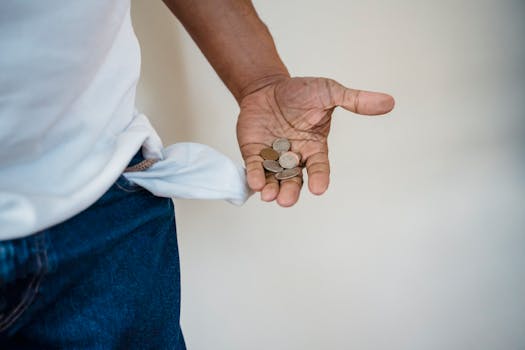 Photo: Nicola Barts / Pexels
 Photo: Aukid phumsirichat / Pexels
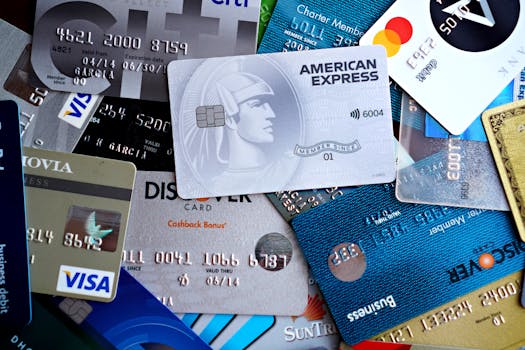 Photo: DΛVΞ GΛRCIΛ / Pexels
 Photo: RDNE Stock project / Pexels