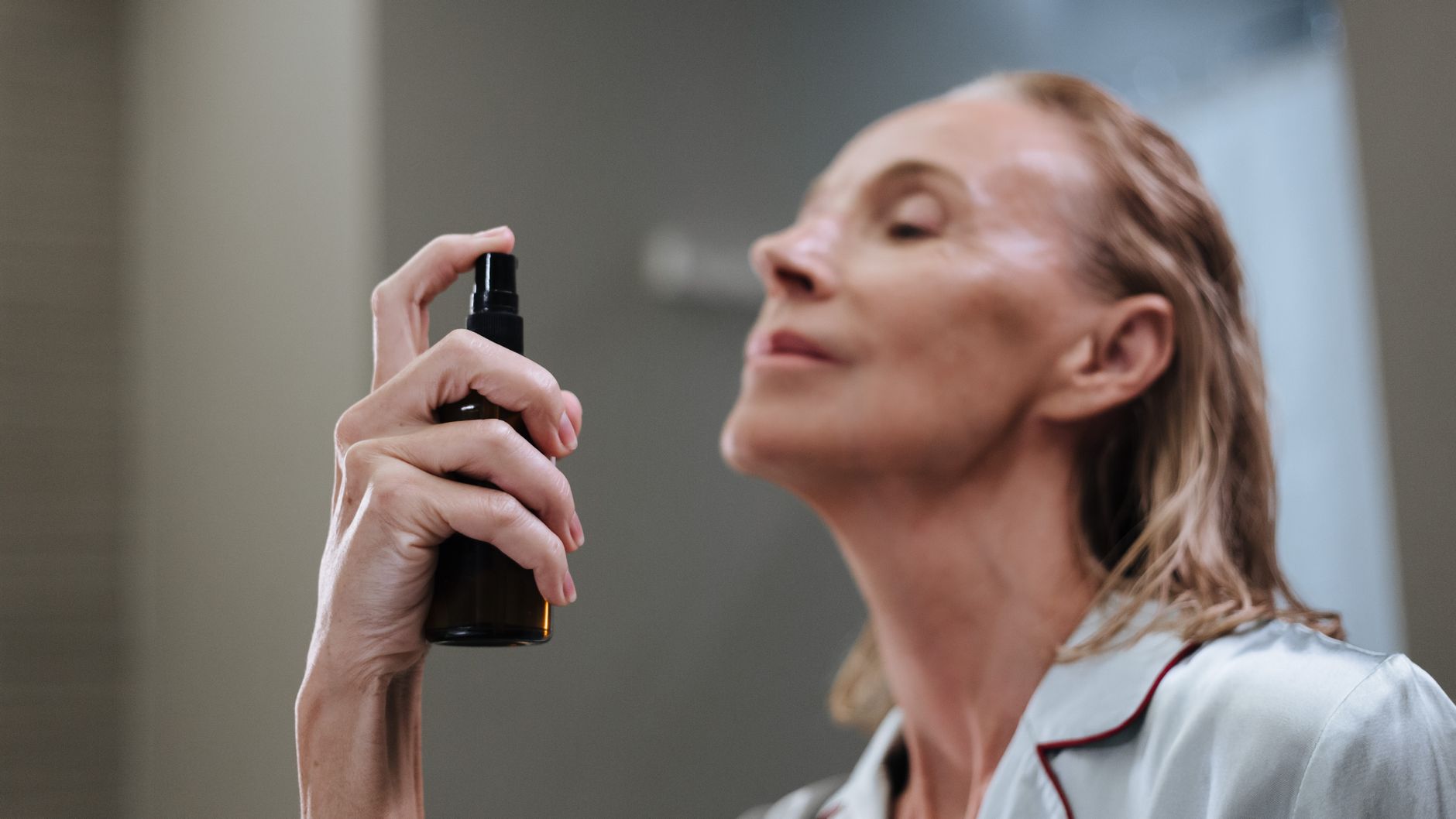
Discover the Best Anti-Aging Creams for Mature Skin
best anti-aging creams for mature skin

Discover the Best Anti-Aging Creams for Mature Skin

Unlock a more radiant, youthful complexion with our expert-curated selection of anti-aging creams tailored for mature skin.

Find Your Perfect Cream

Key Takeaways

  • ✓ Mature skin requires specific ingredients like retinoids, peptides, and hyaluronic acid for optimal results.
  • ✓ Consistency is crucial: visible improvements often take 8-12 weeks of regular use.
  • ✓ Sun protection (SPF 30+) is the most effective anti-aging measure, even when using creams.
  • ✓ Hydration is key; look for creams that lock in moisture and support the skin barrier.

How It Works

1
Identify Your Skin Concerns

Determine if your primary concerns are wrinkles, fine lines, loss of firmness, dark spots, or dryness. This helps narrow down ingredient focus.

2
Understand Key Ingredients

Familiarize yourself with powerhouses like retinoids for cell turnover, peptides for collagen, and hyaluronic acid for hydration. Each plays a vital role.

3
Patch Test & Introduce Gradually

Always patch test new products to avoid irritation. Introduce potent ingredients like retinoids slowly, starting a few times a week before daily use.

4
Consistent Application for Results

Apply your chosen anti-aging cream consistently, typically twice daily (morning and night), as directed. Patience and routine are essential for seeing improvements.

Understanding Mature Skin: What Changes and Why It Needs Special Care
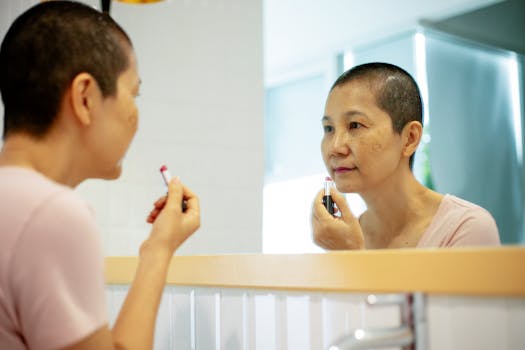
Side view of middle aged Asian female with short dark hair in casual clothes looking in mirror and applying red lipstick in bathroom Photo: Michelle Leman / Pexels
As we age, our skin undergoes a series of profound transformations that collectively contribute to the visible signs of aging. These changes are not merely superficial; they stem from complex biological processes occurring at the cellular level. Understanding these underlying mechanisms is the first step toward selecting the best anti-aging creams for mature skin. One of the most significant changes is the decrease in collagen and elastin production. Collagen, a protein that provides structural support, and elastin, which gives skin its elasticity, begin to deplete after our mid-20s, accelerating significantly post-menopause. This reduction leads to the formation of fine lines and wrinkles, and a noticeable loss of skin firmness and elasticity. The skin also becomes thinner and more fragile, making it more susceptible to damage and slower to heal. Another critical factor is the slowdown of cell turnover. In younger skin, cells regenerate rapidly, shedding dead skin cells to reveal fresh, vibrant ones. With age, this process decelerates, leading to a buildup of dead skin cells on the surface. This can result in a dull, uneven complexion, and a rougher texture. Furthermore, the skin's natural barrier function can become compromised. The lipid barrier, responsible for retaining moisture and protecting against environmental aggressors, weakens. This often leads to increased dryness, sensitivity, and a heightened vulnerability to irritants. Many mature individuals experience persistent dryness, even if they never did in their younger years, making hydration a paramount concern. Additionally, mature skin often exhibits an accumulation of sun damage, manifesting as hyperpigmentation, age spots, and uneven skin tone. Years of unprotected sun exposure accelerate the breakdown of collagen and elastin, contributing to premature aging. Blood circulation also tends to diminish, which can deprive skin cells of vital nutrients and oxygen, further impacting their health and regenerative capacity. The sebaceous glands, responsible for producing natural oils (sebum), become less active, leading to further dryness and a lack of natural lubrication. All these factors combined mean that mature skin requires a targeted approach, focusing on ingredients that can stimulate collagen, improve cell turnover, deeply hydrate, strengthen the barrier, and protect against environmental damage. It's not just about addressing existing signs but also about supporting the skin's overall health and resilience. For more in-depth information on how to care for aging skin, consider exploring resources on comprehensive skincare routines for mature adults.

Key Ingredients to Look For in Anti-Aging Creams
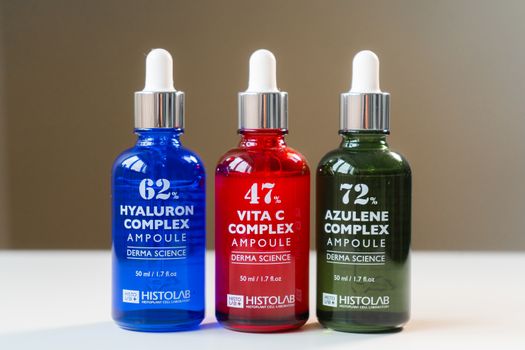
Three vibrant ampoule bottles for skincare solutions, ideal for cosmetic product showcases. Photo: Denys Mikhalevych / Pexels
When navigating the vast landscape of anti-aging creams, knowing which ingredients truly make a difference is paramount. For mature skin, certain powerhouses stand out due to their scientifically proven ability to address multiple signs of aging. **Retinoids (Retinol, Retinaldehyde, Tretinoin):** Often hailed as the gold standard in anti-aging, retinoids are derivatives of Vitamin A. They work by accelerating cell turnover, promoting the shedding of old, dull skin cells and stimulating the production of new ones. This process helps to smooth fine lines and wrinkles, improve skin texture, and reduce hyperpigmentation. Retinoids also boost collagen production, leading to firmer, more elastic skin. While highly effective, they can be potent, so it's advisable to start with lower concentrations and gradually increase frequency to minimize potential irritation like redness or flakiness. **Peptides:** These short chains of amino acids are the building blocks of proteins like collagen and elastin. When applied topically, peptides can signal the skin to produce more collagen, helping to improve firmness, reduce the appearance of wrinkles, and enhance overall skin elasticity. Different types of peptides exist, each with slightly varied functions, but their collective goal is to support the skin's natural reparative processes. **Hyaluronic Acid (HA):** A humectant naturally found in the skin, hyaluronic acid has an extraordinary capacity to hold up to 1,000 times its weight in water. For mature skin, which often struggles with dryness, HA is invaluable. It draws moisture from the environment into the skin, providing intense hydration, plumping up fine lines, and improving skin suppleness. It doesn't just sit on the surface; it helps to maintain the skin's moisture balance throughout the day. **Antioxidants (Vitamin C, Vitamin E, Ferulic Acid, Niacinamide):** Environmental factors like UV radiation and pollution generate free radicals, which damage skin cells and accelerate aging. Antioxidants neutralize these free radicals, protecting the skin from oxidative stress. Vitamin C, in particular, is not only a powerful antioxidant but also plays a crucial role in collagen synthesis and can help brighten skin tone. Niacinamide (Vitamin B3) also offers antioxidant benefits, reduces inflammation, improves barrier function, and can minimize the appearance of pores. **Alpha Hydroxy Acids (AHAs - Glycolic Acid, Lactic Acid):** AHAs are chemical exfoliants that dissolve the bonds between dead skin cells, promoting their removal. This helps to reveal brighter, smoother skin, improve texture, and reduce the appearance of fine lines. Lactic acid is often gentler than glycolic acid, making it a good option for sensitive mature skin. Regular, gentle exfoliation is key for maintaining a youthful glow and allowing other active ingredients to penetrate more effectively. When selecting products, look for formulations that combine these ingredients for a multi-pronged approach to anti-aging.

Top Picks: The Best Anti-Aging Creams for Mature Skin in the US Market
Woman in white bathrobe applying skincare in a bright bathroom. Perfect for wellness and beauty themes. Photo: KATRIN BOLOVTSOVA / Pexels
Navigating the crowded US skincare market for the best anti-aging creams for mature skin can be daunting. To help simplify your search, we've curated a list of top-performing products, considering their ingredient profiles, efficacy, and suitability for various mature skin concerns. These selections represent a range of price points and formulations, ensuring there’s an option for every preference. **Olay Regenerist Micro-Sculpting Cream:** A consistent drugstore favorite, this cream is renowned for its blend of Niacinamide (Vitamin B3), Amino-Peptides, and Hyaluronic Acid. It's designed to hydrate, firm, and visibly reduce the appearance of fine lines and wrinkles. Its rich texture absorbs well, leaving skin feeling plump and moisturized without being greasy. It's an excellent entry point for those new to anti-aging or seeking an effective budget-friendly option. **RoC Retinol Correxion Deep Wrinkle Night Cream:** For those ready to incorporate retinoids, RoC offers a highly effective yet accessible option. This night cream features pure RoC Retinol, known for its ability to significantly reduce deep wrinkles and crow's feet over time. Its formulation is designed to be gentle enough for nightly use, though beginners should start gradually. It also contains an exclusive mineral complex to help improve skin's firmness. **Neutrogena Rapid Wrinkle Repair Regenerating Cream:** Another strong contender in the affordable retinol category, Neutrogena's cream combines Accelerated Retinol SA with Hyaluronic Acid and Glucose Complex. This potent combination works to quickly smooth the look of fine lines, brighten skin tone, and hydrate. It's often praised for its noticeable results and relatively quick absorption. **SkinCeuticals A.G.E. Interrupter:** For those seeking a more premium, targeted solution, SkinCeuticals A.G.E. Interrupter is formulated with 4% Blueberry Extract, 30% Proxylane, and 0.2% Phytosphingosine. This powerful combination works to address glycation, a process that stiffens collagen and elastin, leading to visible signs of aging. It helps to restore elasticity and firmness, reducing the appearance of wrinkles and improving skin texture. This cream is particularly beneficial for very mature or severely compromised skin. **Revision Skincare D.E.J. Face Cream:** This advanced cream targets the Dermal-Epidermal Junction (DEJ), a crucial area where the dermis and epidermis meet. Formulated with a blend of peptides, antioxidants, and a unique extract from the Goji fruit, it works to visibly lift, firm, and smooth the skin. It’s also excellent for supporting the skin's microbiome and barrier function, making it suitable for sensitive mature skin. Its comprehensive approach makes it a standout for overall skin rejuvenation. **Tatcha The Dewy Skin Cream:** While not strictly an 'anti-aging' cream in the traditional sense of containing retinoids, this luxurious cream is a godsend for mature skin that is dry, dull, or lacking vitality. It's packed with Japanese purple rice, known for its antioxidant properties, and botanical extracts that deliver intense hydration and a luminous glow. It helps to plump the skin, reducing the appearance of fine lines purely through superior moisture, and is perfect for layering with other targeted treatments. When choosing, consider your specific concerns, skin sensitivity, and budget. For a deeper dive into ingredient effectiveness, you might want to look into the science behind anti-aging skincare ingredients.

Maximizing Results: Tips for Using Your Anti-Aging Creams Effectively
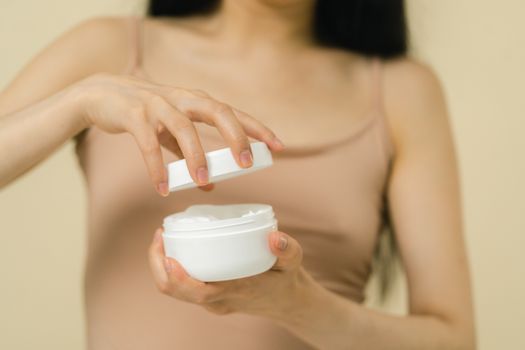
Close-up of a woman opening a cream jar with her hands, in a studio. Photo: SHVETS production / Pexels
Simply purchasing the best anti-aging creams for mature skin isn't enough; proper application and a holistic approach are crucial for maximizing their benefits. Here are essential tips to ensure you get the most out of your investment: * **Cleanse Thoroughly:** Always start with a clean canvas. Use a gentle, hydrating cleanser to remove makeup, dirt, and impurities without stripping your skin's natural oils. A clean face allows active ingredients to penetrate more effectively. * **Apply to Damp Skin:** For optimal absorption, many active ingredients, especially humectants like hyaluronic acid, work best when applied to slightly damp skin. This helps to lock in moisture. After cleansing, pat your face almost dry, leaving it a little moist. * **Layer Correctly:** The general rule of thumb for layering skincare is thinnest to thickest. Serums (which are typically lighter) should go on before creams. If using multiple targeted treatments, apply them in order of potency or texture. For instance, a Vitamin C serum in the morning, followed by your anti-aging cream, and then SPF. At night, a retinol serum might precede your richer night cream. * **Consistency is Key:** Anti-aging results are not instantaneous. It takes time for skin cells to regenerate and for collagen production to ramp up. Commit to using your chosen cream consistently, usually twice daily, for at least 8-12 weeks before expecting significant changes. Patience and perseverance will yield the best outcomes. * **Don't Forget Your Neck and Décolletage:** The skin on your neck and chest is often just as susceptible to aging as your face, yet it's frequently neglected. Extend your anti-aging cream application down to these areas to maintain an even, youthful appearance. * **Sun Protection is Non-Negotiable:** Even the most powerful anti-aging cream will be undermined if you're not protecting your skin from UV damage. Always finish your morning routine with a broad-spectrum sunscreen of SPF 30 or higher, regardless of the weather. Sun exposure is the number one cause of premature aging. * **Listen to Your Skin:** Pay attention to how your skin reacts. If you experience excessive redness, irritation, or dryness, especially when introducing potent ingredients like retinoids, scale back use to every other day or a few times a week until your skin adjusts. Sometimes, less is more. * **Maintain a Healthy Lifestyle:** Skincare is just one piece of the puzzle. A balanced diet rich in antioxidants, adequate hydration, sufficient sleep, and stress management all contribute significantly to overall skin health and can enhance the effects of your anti-aging creams.

Comparison

FeatureOlay Regenerist Micro-Sculpting CreamRoC Retinol Correxion Deep Wrinkle Night CreamSkinCeuticals A.G.E. Interrupter
Key ActivesNiacinamide, Peptides, HAPure Retinol, Mineral ComplexProxylane, Blueberry Extract, Phytosphingosine
Primary BenefitHydration, Firmness, Fine LinesDeep Wrinkle Reduction, FirmnessRestore Elasticity, Firmness, Anti-Glycation
Price PointAffordableMid-RangePremium
Best ForOverall Anti-Aging, Dry SkinTargeting Deep WrinklesAdvanced Aging, Loss of Elasticity
TextureRich, AbsorbentCreamy, Non-GreasyThick, Emollient
Day/Night UseDay & NightNight OnlyDay & Night
Sensitivity PotentialLowModerate (due to Retinol)Low

What Readers Say

"I've been searching for the best anti-aging creams for mature skin for years, and the Olay Regenerist has been a game-changer. My skin feels so much more hydrated and firm, and those fine lines around my eyes are definitely softer."

Sarah J. · Dallas, TX

"The RoC Retinol cream truly delivers! I was skeptical at first, but after three months, my deep forehead wrinkles have visibly diminished. It's a staple in my nightly routine now."

Margaret P. · Seattle, WA

"My dermatologist recommended SkinCeuticals A.G.E. Interrupter, and while it's an investment, the results speak for themselves. My skin feels incredibly resilient, and the crepiness on my neck has improved dramatically."

Eleanor K. · Miami, FL

"I really like the Neutrogena Rapid Wrinkle Repair. It's affordable and I've seen a noticeable improvement in my skin's texture and brightness. I did experience a little redness when I first started, but my skin adjusted after a week."

Patricia L. · Boston, MA

"For my very dry, sensitive mature skin, Tatcha The Dewy Skin Cream has been a lifesaver. It doesn't irritate, provides incredible moisture, and gives my skin a beautiful, healthy glow that no other anti-aging cream has achieved."

Gloria R. · Los Angeles, CA

Frequently Asked Questions

What is the single most important ingredient for mature skin in anti-aging creams?

While many ingredients are beneficial, retinoids (like retinol) are often considered the most important due to their ability to accelerate cell turnover, stimulate collagen production, and reduce the appearance of wrinkles, hyperpigmentation, and improve overall skin texture. However, they should be introduced gradually to avoid irritation.

Will anti-aging creams make my mature skin sensitive or red?

Some potent anti-aging ingredients, particularly retinoids or AHAs, can cause initial redness, dryness, or sensitivity as your skin adjusts. This is often temporary. Start with lower concentrations, apply less frequently (e.g., every other night), and always patch test to minimize potential irritation. Look for formulations with soothing ingredients if you have sensitive skin.

How do I properly incorporate an anti-aging cream into my existing skincare routine?

Typically, you would cleanse your face, apply any serums or targeted treatments (like a Vitamin C serum in the morning or a retinol serum at night), then follow with your anti-aging cream. In the morning, always finish with a broad-spectrum sunscreen. At night, your anti-aging cream is usually the last step, unless you use an occlusive balm.

Are expensive anti-aging creams always better for mature skin?

Not necessarily. While some high-end products offer unique formulations or delivery systems, many affordable drugstore options contain scientifically proven effective ingredients like retinoids, peptides, and hyaluronic acid. Focus on the ingredient list and product reviews rather than just the price tag to find what works best for your skin and budget.

How do anti-aging creams for mature skin differ from those for younger skin?

Creams for mature skin typically feature higher concentrations of active ingredients like retinoids and peptides to address more pronounced signs of aging, such as deeper wrinkles and significant loss of firmness. They also tend to be richer and more emollient to combat increased dryness and a compromised skin barrier, which are common concerns for mature skin.

Who should avoid certain anti-aging cream ingredients?

Pregnant or breastfeeding individuals should avoid retinoids. Those with extremely sensitive skin or conditions like rosacea might need to be cautious with high concentrations of retinoids, AHAs, or even Vitamin C, and should opt for gentler formulations or consult a dermatologist. Always patch test and introduce new ingredients slowly.

Are there any side effects to using the best anti-aging creams for mature skin?

The most common side effects, especially with powerful ingredients like retinoids, include dryness, redness, peeling, and increased sun sensitivity. These can often be mitigated by starting slowly, using a good moisturizer, and diligently applying sunscreen. Allergic reactions are rare but possible with any product; discontinue use if severe irritation occurs.

What's the future of anti-aging creams for mature skin?

The future of anti-aging skincare for mature skin is likely to focus on personalized formulations based on individual genetic profiles and skin microbiome analysis, advanced delivery systems for deeper ingredient penetration, and increasingly sophisticated ingredients targeting cellular senescence, glycation, and epigenetic factors for truly transformative results.

Embark on your journey to radiant, youthful skin today by exploring our expertly curated selection of the best anti-aging creams for mature skin. Find the perfect formulation that addresses your unique concerns and rediscover your skin's vitality and glow.

Topics: best anti-aging creams for mature skinanti-aging skincarewrinkle creams for mature skinfirming creams for mature skinskincare for aging skin
Leo List
Brampton weed
Adultwork EstrelaBet Vai de Bet R7 Bet Betão Galera Bet Rainbet Bet9ja Shop SportyBet BetKing Sisal Loto Foot Hollywoodbets YesPlay Odibets RushBet Jugabet BetWarrior BetCity MSport betPawa Fortebet