Unlocking the Benefits of Strength Training for Adults
benefits of strength training for adults

Unlocking the Benefits of Strength Training for Adults

Transform your health and vitality with the power of resistance training, regardless of your age or current fitness level.

Start Your Journey

Key Takeaways

  • ✓ Strength training significantly reduces the risk of age-related muscle loss (sarcopenia).
  • ✓ Regular resistance exercise improves bone density, crucial for preventing osteoporosis.
  • ✓ Strength training boosts metabolism, aiding in weight management and fat loss.
  • ✓ It enhances mental health by reducing symptoms of anxiety and depression.
  • ✓ Improved functional strength translates to easier daily activities and greater independence.

How It Works

1
Initiate Resistance

Strength training involves working your muscles against a form of resistance, such as weights, resistance bands, or your own body weight. This resistance creates microscopic tears in muscle fibers, triggering a repair process.

2
Muscle Adaptation

During recovery, your body not only repairs these muscle fibers but also makes them stronger and larger to better handle future stress. This adaptive response is the foundation of muscle growth and increased strength.

3
Systemic Benefits

Beyond muscle, this process stimulates bone growth, improves cardiovascular health, enhances insulin sensitivity, and releases endorphins. These systemic changes contribute to a wide array of physical and mental health improvements.

4
Progressive Overload

To continue seeing results, the resistance or challenge must gradually increase over time, a principle known as progressive overload. This ensures your muscles are continually challenged to adapt and grow stronger.

The Foundation: Building Muscle and Bone Density

Side view of a woman exercising with dumbbells in a gym under bright lighting. Photo: @marcuschanmedia | IG / Pexels
As we journey through adulthood, many of us begin to notice subtle shifts in our physical capabilities. What was once effortless might now require a bit more exertion, and the occasional ache seems to become a more frequent companion. A significant contributor to these changes is the natural decline in muscle mass and bone density, processes that begin surprisingly early, often in our 30s. This age-related muscle loss, known as sarcopenia, can lead to decreased strength, reduced mobility, and an increased risk of falls. Similarly, bone density tends to peak around age 30 and then gradually declines, making bones more brittle and susceptible to fractures, a condition known as osteoporosis. This is precisely where the profound benefits of strength training for adults come into play, offering a powerful antidote to these age-related declines. Strength training directly combats sarcopenia by stimulating muscle protein synthesis, the process by which your body repairs and rebuilds muscle fibers. When you lift weights or perform resistance exercises, you create tiny micro-tears in your muscle tissue. In response, your body initiates a repair process that not only fixes these tears but also makes the muscle fibers stronger and slightly larger. This adaptive response leads to an increase in overall muscle mass and strength, helping to preserve functional independence as you age. It's not just about looking good; it's about being able to carry groceries, play with grandchildren, or climb stairs without undue effort. Moreover, increased muscle mass is metabolically active, meaning it burns more calories at rest than fat tissue, contributing to healthier body composition and easier weight management. Equally crucial is strength training's impact on bone health. Bones, much like muscles, respond to stress by becoming stronger. When you engage in weight-bearing exercises, the mechanical stress placed on your bones signals them to lay down new bone tissue, increasing their density and strength. This is particularly vital for women, who are at a higher risk of osteoporosis, but it is beneficial for all adults. By actively strengthening your bones through resistance training, you can significantly reduce your risk of fractures later in life, maintaining a robust skeletal structure that supports your body and protects your organs. Incorporating compound movements like squats, deadlifts, and overhead presses, which engage multiple muscle groups and joints, can be particularly effective in promoting widespread bone density improvements. Understanding these fundamental physiological adaptations underscores why strength training isn't just an option, but a necessity for long-term health and vitality.

Metabolic Mastery and Cardiovascular Health
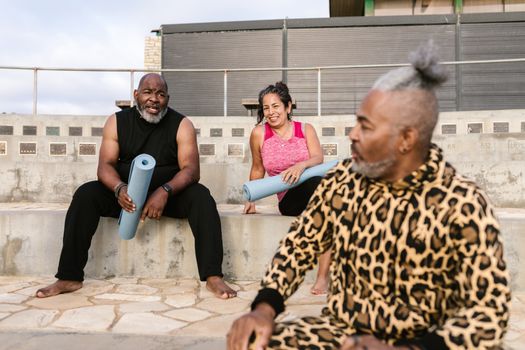
Group of adults preparing for an outdoor yoga class with mats in hand, promoting wellness and fitness. Photo: RDNE Stock project / Pexels
Beyond building visible muscle and strengthening bones, the benefits of strength training for adults extend deeply into our metabolic and cardiovascular systems, offering crucial advantages for overall health and longevity. One of the most compelling metabolic advantages is its impact on your resting metabolic rate (RMR). Muscle tissue is metabolically more active than fat tissue. This means that even when you're at rest, a body with a higher percentage of muscle mass burns more calories. This increased caloric expenditure helps in maintaining a healthy weight, preventing obesity, and making weight loss efforts more effective. For adults struggling with stubborn weight gain or simply looking to optimize their body composition, strength training is an indispensable tool. It shifts the energy balance in your favor, transforming your body into a more efficient calorie-burning machine. Furthermore, strength training significantly improves insulin sensitivity. Insulin is a hormone responsible for regulating blood sugar levels by allowing glucose to enter cells for energy. When cells become less responsive to insulin (insulin resistance), blood sugar levels can rise, increasing the risk of type 2 diabetes. Resistance exercise enhances the ability of muscle cells to absorb glucose from the bloodstream, thereby improving insulin sensitivity and helping to keep blood sugar levels stable. This is a powerful preventative measure against metabolic disorders and can even be an effective management strategy for individuals already diagnosed with prediabetes or type 2 diabetes. The consistent engagement of large muscle groups during strength training sessions creates a demand for glucose, directly contributing to better glycemic control. The cardiovascular benefits of strength training, while often overshadowed by aerobic exercise, are equally significant. Regular resistance training helps to lower blood pressure, improve cholesterol profiles (reducing 'bad' LDL cholesterol and increasing 'good' HDL cholesterol), and enhance the elasticity of blood vessels. These factors collectively reduce the risk of heart disease and stroke, making your cardiovascular system more resilient. While aerobic exercise focuses on endurance, strength training contributes to cardiovascular health by making your heart work more efficiently and by improving the overall health of your vascular system. Combining both forms of exercise offers a comprehensive approach to heart health, ensuring both strength and stamina. The dynamic nature of many strength exercises also provides a cardiovascular challenge, particularly when performed with proper intensity and short rest periods, further contributing to a healthy heart and circulatory system.

Mental Well-being and Functional Independence

A couple in a counseling session with a therapist in a modern office setting. Photo: RDNE Stock project / Pexels
The profound benefits of strength training for adults are not confined to the physical realm; they extend powerfully into mental well-being and the preservation of functional independence, both critical components of a high quality of life as we age. In an increasingly stressful world, mental health support is more vital than ever, and strength training emerges as a potent, natural antidepressant and anxiolytic. Engaging in resistance exercise triggers the release of endorphins, neurochemicals known for their mood-boosting effects, often described as a 'runner's high' but equally applicable to the 'lifter's high.' These endorphins can alleviate symptoms of depression and anxiety, fostering a greater sense of calm and well-being. The focus required during strength training sessions can also serve as a form of meditative practice, allowing individuals to clear their minds and reduce mental clutter. Beyond immediate mood enhancement, consistent strength training has been shown to improve cognitive function, including memory, attention, and problem-solving skills. The increased blood flow to the brain during exercise, coupled with the release of brain-derived neurotrophic factor (BDNF), a protein that promotes the growth and survival of brain cells, contributes to this cognitive boost. For adults, maintaining sharp cognitive abilities is paramount for navigating daily life, staying engaged, and preventing age-related cognitive decline. Furthermore, the sense of accomplishment derived from progressively lifting heavier weights or mastering new exercises significantly enhances self-efficacy and self-esteem. Witnessing your physical capabilities grow can be incredibly empowering, translating into greater confidence in other areas of life and a more positive body image. Crucially, strength training is a cornerstone of maintaining functional independence throughout adulthood. Functional independence refers to the ability to perform everyday tasks without assistance – from getting out of a chair and carrying groceries to reaching for items on a high shelf. As muscle mass and strength decline with age, these tasks can become challenging or even impossible. Strength training directly counters this by improving muscular strength, power, and endurance, making daily activities easier and safer. It enhances balance and coordination, reducing the risk of falls, which are a major cause of injury and loss of independence among older adults. By building and preserving strength, adults can continue to live autonomously, engage in hobbies, and participate fully in life, delaying or even preventing the need for assisted living. This commitment to physical strength directly translates into a sustained capacity for a vibrant, self-sufficient life, reinforcing the long-term benefits of strength training for adults.

Practical Tips for Starting and Sustaining Your Strength Journey
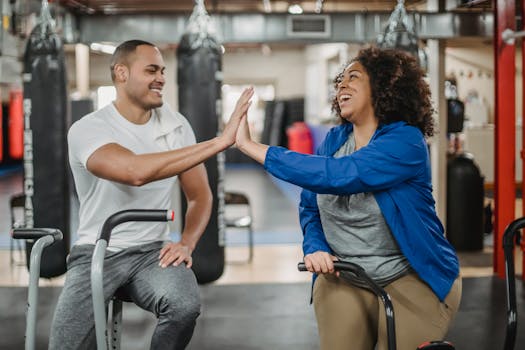
Happy plump African American female trainee and muscular smiling coach clapping each others hands while sitting on stationary bicycles in modern gym Photo: Julia Larson / Pexels
Embarking on a strength training journey, or recommitting to one, can feel daunting, but with the right approach, it's accessible and incredibly rewarding for adults of all ages. To maximize the benefits of strength training for adults and ensure longevity in your routine, consider these practical tips: 1. **Start Gradually and Prioritize Form:** Resist the urge to lift too heavy too soon. Begin with lighter weights or bodyweight exercises to master proper form. Incorrect form not only reduces effectiveness but significantly increases the risk of injury. If possible, consider a few sessions with a certified personal trainer to learn the fundamentals. 2. **Consistency Over Intensity (Initially):** Aim for 2-3 strength training sessions per week on non-consecutive days. This allows your muscles adequate time to recover and rebuild. Consistency is key to seeing progress and establishing a lasting habit. 3. **Focus on Compound Movements:** Incorporate exercises that work multiple muscle groups simultaneously, such as squats, deadlifts, lunges, push-ups, and rows. These are highly efficient and effective for building overall strength and functional fitness. 4. **Progressive Overload is Your Friend:** Once an exercise feels easy for the recommended repetitions and sets, it's time to increase the challenge. This could mean adding more weight, increasing repetitions, doing more sets, reducing rest time, or trying a more difficult variation of the exercise. This principle is vital for continued muscle adaptation and growth. 5. **Listen to Your Body:** Pay attention to pain versus discomfort. Muscle soreness is normal, but sharp pain is a sign to stop and reassess. Ensure you get adequate sleep and nutrition, as recovery is just as important as the workout itself. 6. **Diversify Your Routine:** To keep things interesting and continue challenging your muscles in new ways, periodically change your exercises, set/rep schemes, or equipment. This prevents plateaus and keeps you engaged. 7. **Hydrate and Fuel Properly:** Water is essential for muscle function and recovery. Ensure you're consuming enough protein to support muscle repair and growth, along with a balanced diet rich in whole foods. 8. **Consider Professional Guidance:** If you have pre-existing health conditions, consult your doctor before starting any new exercise program. A qualified personal trainer can also provide personalized guidance, modifications, and motivation to help you achieve your goals safely and effectively. By embracing these strategies, adults can confidently integrate strength training into their lives, reaping its extensive physical and mental rewards for years to come. Remember, it's a marathon, not a sprint – enjoy the journey of becoming stronger and healthier.

Comparison

FeatureStrength TrainingAerobic ExerciseYoga/Pilates
Primary GoalMuscle & Bone StrengthCardiovascular EnduranceFlexibility & Core Strength
Metabolic BoostHigh (Increased RMR)Moderate (During exercise)Low to Moderate
Bone Density ImprovementHighModerate (Weight-bearing)Moderate
Risk of Sarcopenia ReductionHighLow to ModerateModerate
Impact on BalanceHighModerateHigh
Equipment NeededVaried (Weights, bands)Minimal (Shoes)Minimal (Mat)

What Readers Say

"At 45, I started noticing my energy dip and daily tasks felt harder. Embracing the benefits of strength training for adults changed everything. I feel stronger, more confident, and have more energy than I did in my 30s. It's truly transformative!"

Sarah J. · Austin, TX

"My doctor recommended strength training for my bone density concerns. After a year, not only are my bone scans better, but I've lost weight and my chronic back pain is almost gone. These benefits of strength training for adults are real."

Mark D. · Chicago, IL

"I used to dread working out, but finding the right strength routine made fitness enjoyable. I've gained 5 lbs of muscle and can deadlift more than my body weight. The mental clarity and stress reduction are incredible benefits of strength training for adults."

Jessica L. · Denver, CO

"Initially, I was skeptical about strength training at 60, worried about injuries. While it took some time to learn proper form, the improvements in my balance and overall strength are undeniable. It's a slower process than I expected, but the steady progress is very motivating and the benefits of strength training for adults are clear."

David R. · Miami, FL

"As a busy professional, I needed an efficient way to stay healthy. Two 45-minute strength sessions a week have vastly improved my stamina, focus, and sleep quality. It's amazing how much the benefits of strength training for adults impact every aspect of my life."

Emily S. · Seattle, WA

Frequently Asked Questions

What is the ideal frequency for strength training for adults?

For most adults, 2-3 strength training sessions per week on non-consecutive days is recommended. This allows adequate time for muscle recovery and growth. As you advance, you might increase to 3-4 sessions, potentially splitting workouts to target different muscle groups.

Is strength training safe for older adults or those with health conditions?

Yes, strength training can be very safe and beneficial for older adults and those with many health conditions, often with modifications. However, it's crucial to consult with your doctor before starting any new exercise program, especially if you have pre-existing health issues. A qualified personal trainer can also provide a tailored, safe program.

How do I get started with strength training if I'm a complete beginner?

Begin with bodyweight exercises like squats, push-ups (on knees or against a wall), and lunges to learn basic movement patterns. Consider using resistance bands, which offer scalable resistance. Watching instructional videos or hiring a personal trainer for a few sessions can also provide a strong foundation and ensure proper form from the start.

Do I need a gym membership to experience the benefits of strength training?

Absolutely not! While gyms offer a wide range of equipment, you can achieve significant benefits from strength training at home. Bodyweight exercises, resistance bands, dumbbells, and even household items can provide effective resistance. Consistency and progressive overload are more important than fancy equipment.

How does strength training compare to cardio for overall health?

Both strength training and cardio are vital for overall health, but they offer different primary benefits. Cardio excels at improving cardiovascular endurance, while strength training builds muscle mass, bone density, and boosts metabolism. The best approach is to incorporate both into your routine for a well-rounded fitness regimen.

Who should prioritize the benefits of strength training for adults?

Virtually all adults can benefit from strength training, but it's especially crucial for those over 30, individuals looking to manage weight, improve bone health, enhance mental well-being, or maintain functional independence as they age. Athletes and those recovering from injuries also find it indispensable.

Can strength training help with joint pain or arthritis?

Yes, when done correctly, strength training can significantly help with joint pain and arthritis. Strengthening the muscles around a joint provides better support and stability, reducing stress on the joint itself. It can also improve flexibility and range of motion. Start with low-impact exercises and consult a physical therapist for guidance.

What are some common misconceptions about strength training for adults?

Common misconceptions include: 'it will make women bulky' (unlikely without specific training and diet), 'it's only for young people' (benefits are lifelong), 'cardio is enough' (it's not for muscle/bone health), and 'you need to lift heavy to see results' (consistency and progressive overload matter more than max weight for general health).

Embrace the transformative benefits of strength training for adults and unlock a healthier, stronger, and more vibrant future. Start your journey today – your body and mind will thank you for the lasting investment in your well-being.

Topics: benefits of strength training for adultsstrength training adult healthresistance training benefitsmuscle building for adultsfitness for adults over 30
Leo List
Brampton weed
Adultwork EstrelaBet Vai de Bet R7 Bet Betão Galera Bet Rainbet Bet9ja Shop SportyBet BetKing Sisal Loto Foot Hollywoodbets YesPlay Odibets RushBet Jugabet BetWarrior BetCity MSport betPawa Fortebet